Split-Dalmatia

Hvar

Plan a trip to Hvar, Croatia. Discover the best areas to stay, driving routes from Central Europe, ferry information, and practical tips for visitors.

Best months
June to September
Sea temperature in August
25°C to 27°C
Nearest airport
Split Airport (SPU), 24 km to Split port + 2-hour ferry
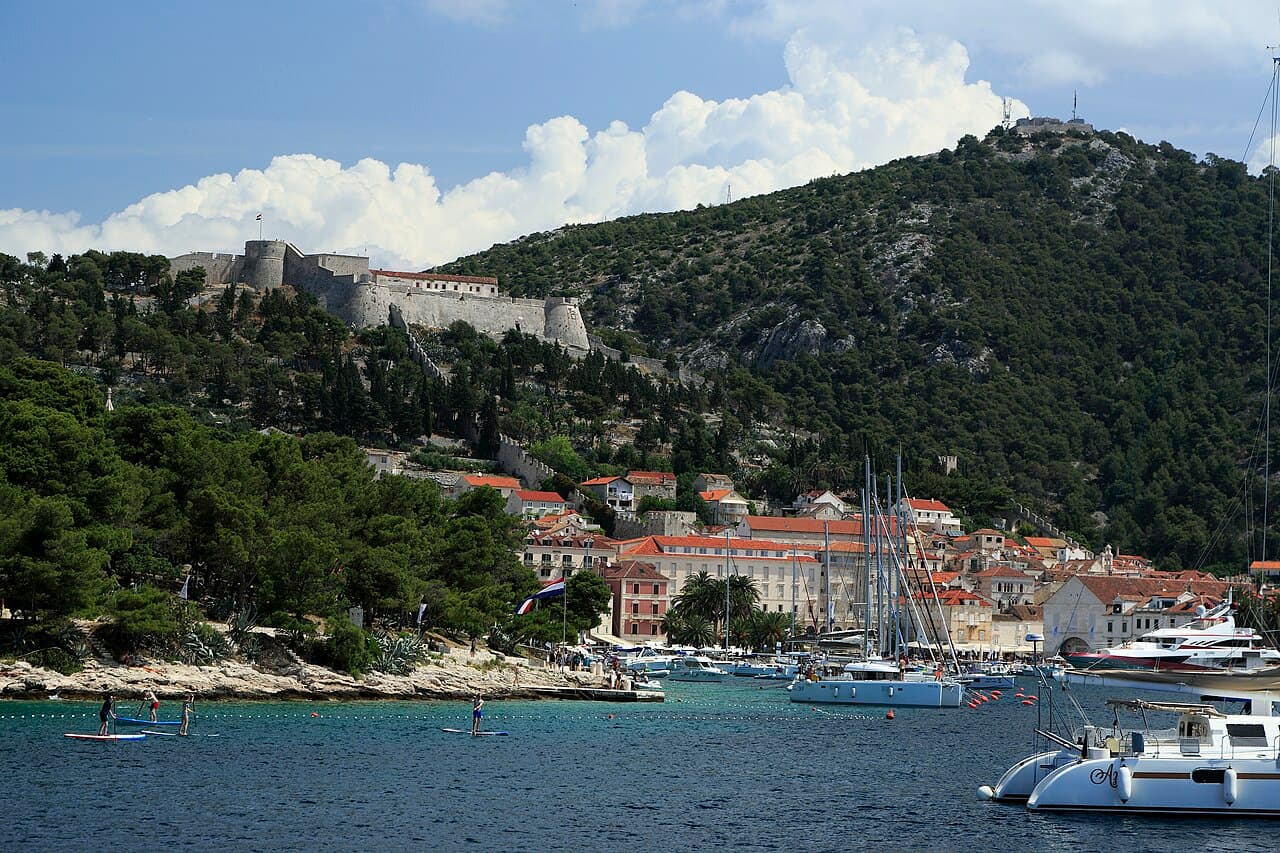
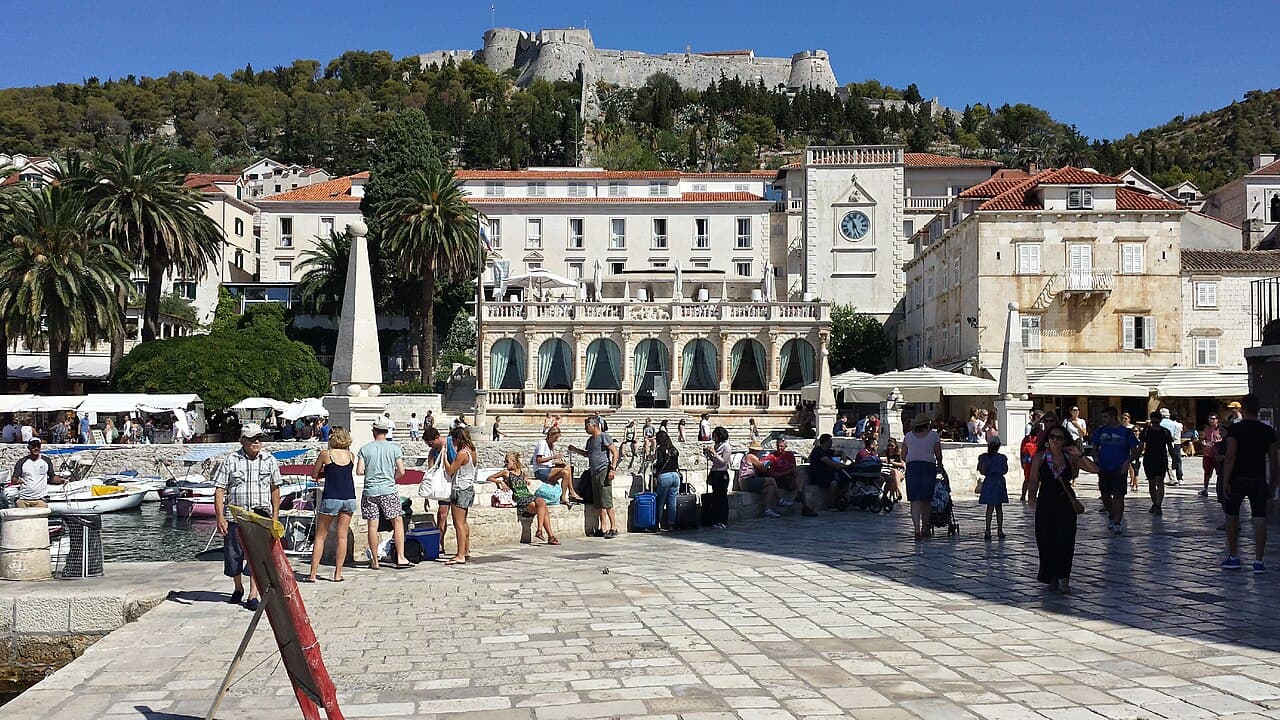
Hvar - White boats on turquoise Adriatic waters

Main beach type

Pebble and rocky slabs

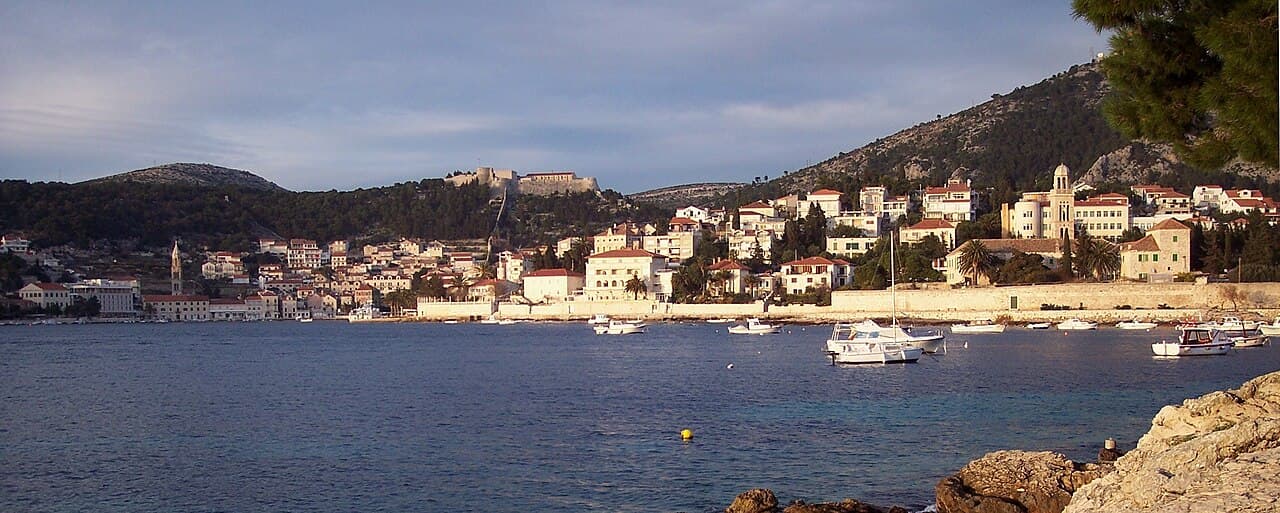
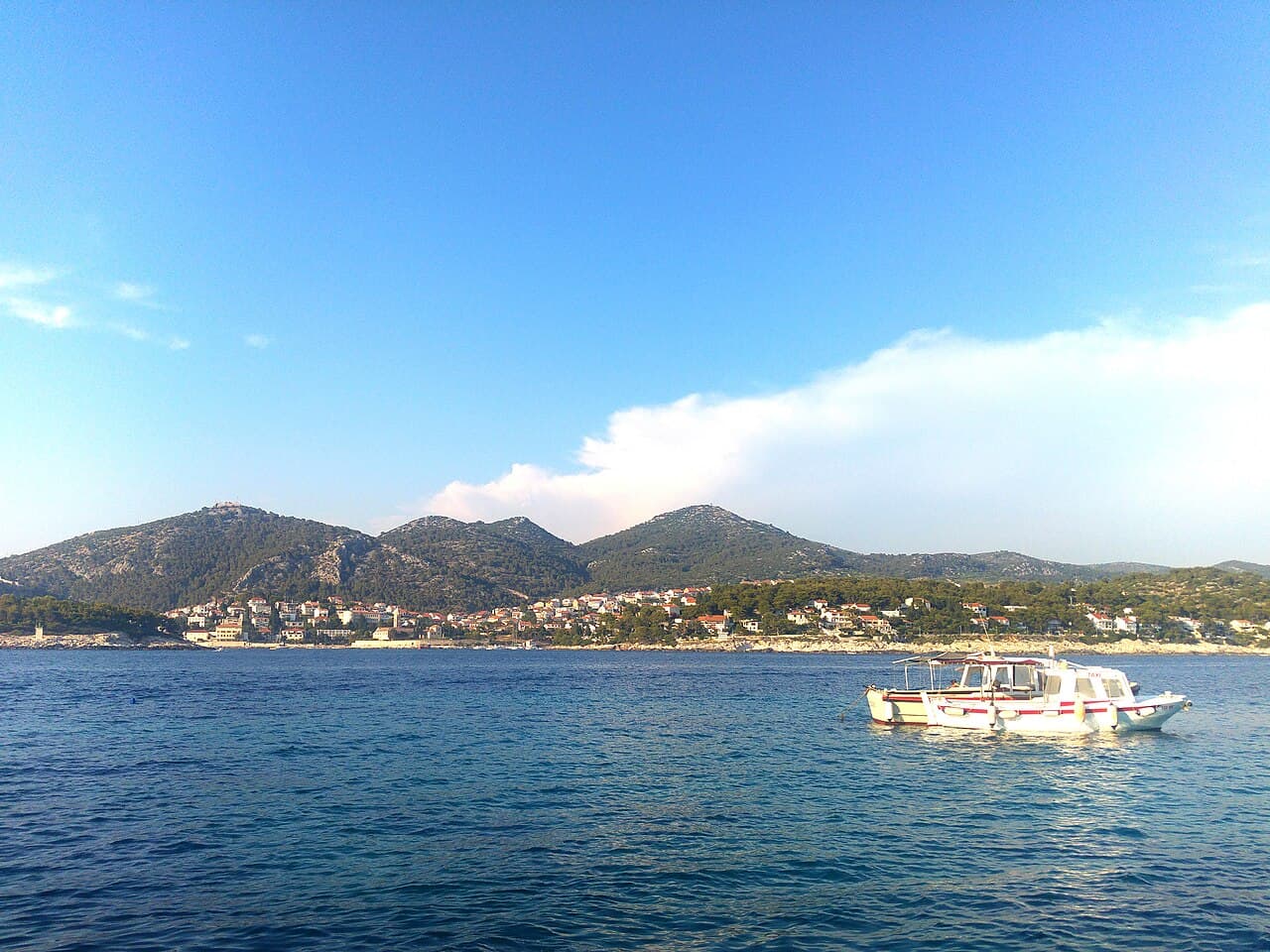
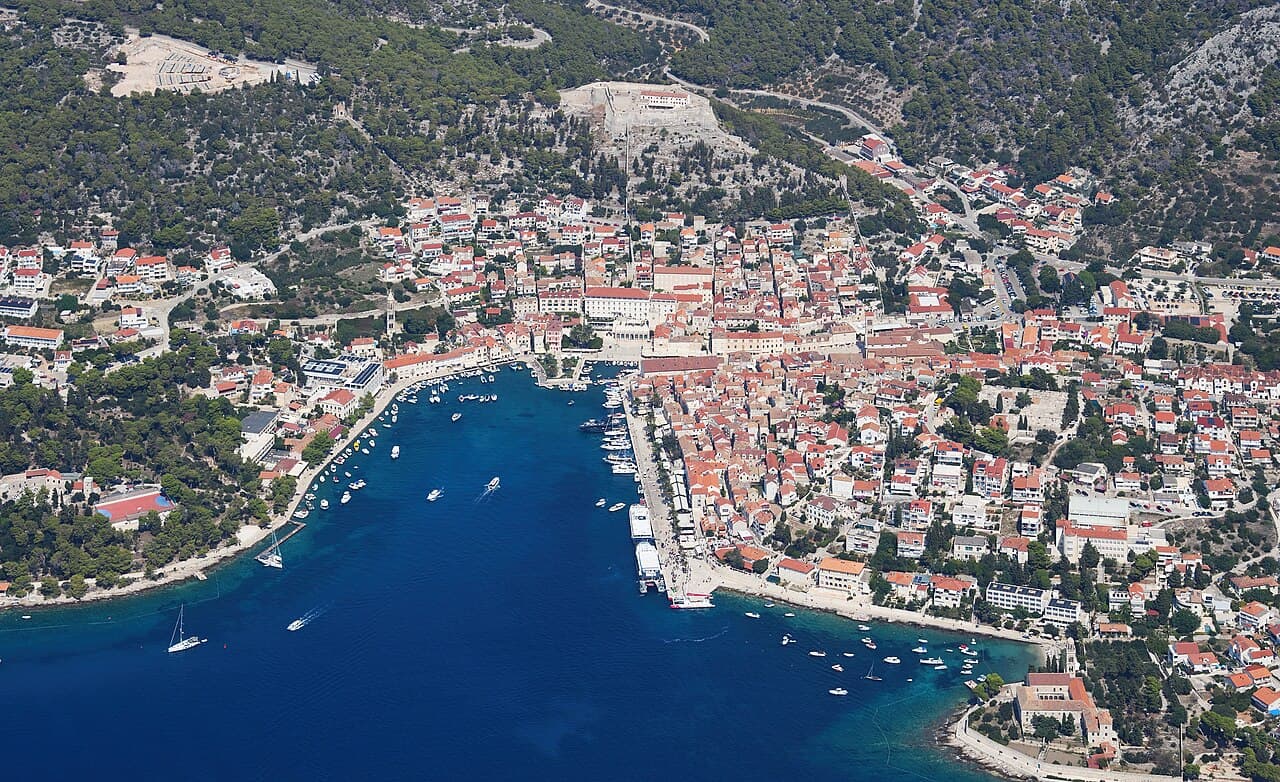
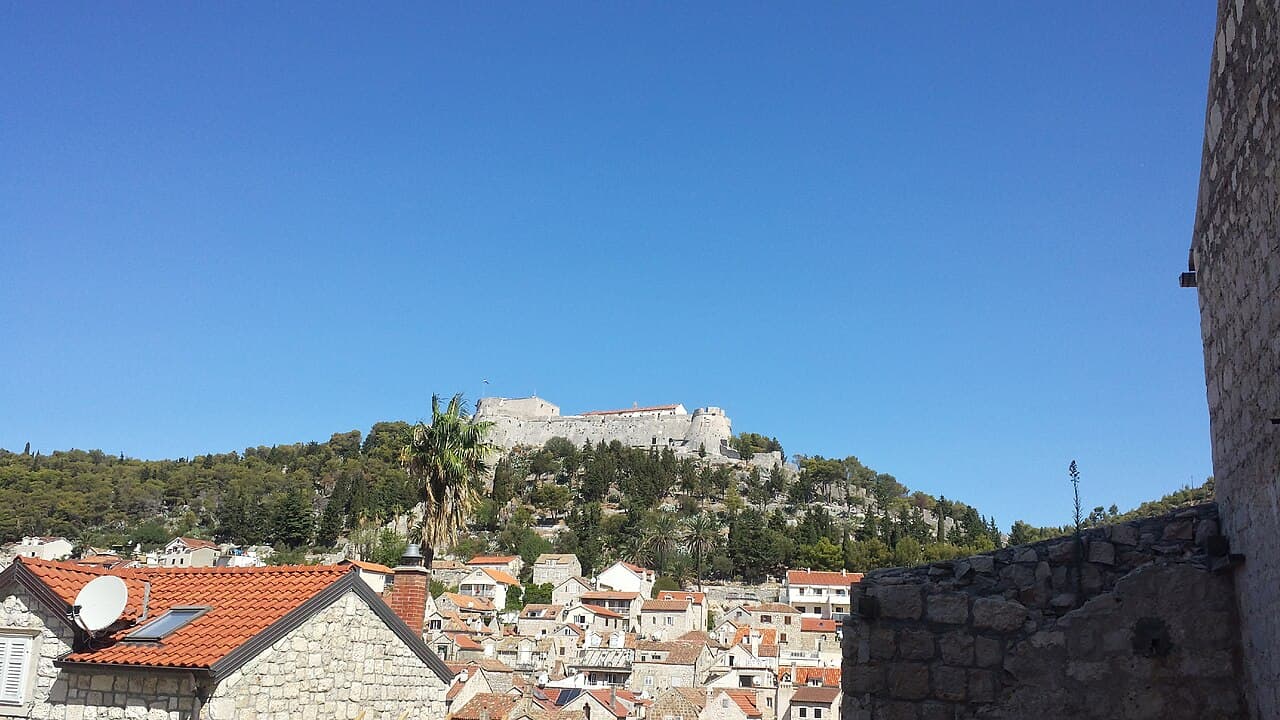
Hvar is an island off the Dalmatian coast of Croatia, accessible via car ferries from Split and Drvenik. It appeals to a wide range of visitors, from those seeking late-night entertainment in Hvar Town to families and couples preferring the quieter, historical settlements of Stari Grad and Jelsa. The landscape consists of pine forests, lavender fields, and rocky coastline with pebble beaches.

The island experiences a typical Mediterranean climate. The primary travel season runs from May to October, with July and August bringing the highest temperatures, largest crowds, and peak prices. September offers warm sea temperatures and quieter towns, making it a practical alternative for those with flexible schedules. The winter months see many restaurants and hotels close completely.

At a glance

Best months
June to September
Sea temperature in August
25°C to 27°C
Nearest airport
Split Airport (SPU), 24 km to Split port + 2-hour ferry
Main beach type
Pebble and rocky slabs
Price level
Higher than Croatian average (especially Hvar Town)
Car-free centres
Yes, Hvar Town and Stari Grad centres are pedestrian-only

Where to stay in Hvar

Hvar Town

The most famous and expensive settlement on the island, known for historic architecture, high-end restaurants, and active nightlife. The entire historic center is pedestrian-only.

Best for:
Nightlife, luxury hotels, and first-time visitors without a car
Parking:
Paid public lots outside the car-free center; expensive in summer
Beach:
Pokonji Dol (pebble, 20 min walk) or Pakleni Islands via water taxi

Stari Grad

One of Europe's oldest towns, offering a relaxed atmosphere with narrow cobblestone streets and traditional konobas. It sits close to the main car ferry terminal, making arrival straightforward.

Best for:
Families, history enthusiasts, and travelers seeking a quieter base
Parking:
Plentiful paid parking on the town outskirts; some accommodation includes private spots
Beach:
Lanterna (pebble and concrete, 10 min walk) or nearby secluded coves

Jelsa

A coastal town on the northern side of the island with a strong local feel and lower prices than Hvar Town. It features a wide promenade and access to shallow, sandy-bottomed bays.

Best for:
Families with young children and budget-conscious travelers
Parking:
Large public parking area near the harbor; mostly paid during the season
Beach:
Mina beach (shallow sandy bottom, 10 min walk from center)

Zavala

Located on the steep southern coast and accessed via a narrow, one-lane tunnel from Pitve. It offers clear waters and tranquility, with limited dining and shopping options.

Best for:
Couples, nature lovers, and those wanting isolation
Parking:
Generally provided by guesthouses; minimal public parking available
Beach:
Long stretches of fine pebble beaches directly along the village coast

Getting to Hvar

Munich

By car: 890 km, ~11-12 hours via A8, A10, A1 (HR) to Split, then 2-hour car ferry. Tolls in AT, SLO, HR + ferry ticket.

Other options: Direct flights to Split (SPU), followed by a passenger catamaran to Hvar.

Vienna

By car: 770 km, ~9-10 hours via A2, A9, A1 (HR) to Split, then 2-hour car ferry. Tolls in AT, SLO, HR + ferry ticket.

Other options: Direct flights to Split or overnight train (Nightjet/EuroNight) to Split, then catamaran.

Budapest

By car: 750 km, ~9-10 hours via M7, A4, A1 (HR) to Split, then 2-hour car ferry. Tolls in HU, HR + ferry ticket.

Other options: Direct flights to Split or seasonal sleeper train from Budapest to Split.

Ljubljana

By car: 520 km, ~7-8 hours via A2, A1 (HR) to Split, then 2-hour car ferry. Tolls in SLO, HR + ferry ticket.

Other options: Direct bus (FlixBus) to Split bus station, followed by ferry or catamaran.

Prague

By car: 1,070 km, ~13-14 hours via D1, A9 (AT), A1 (HR) to Split, then car ferry. Tolls in CZ, AT, SLO, HR + ferry ticket.

Other options: Direct flights to Split or seasonal RegioJet train service to Split.

Kraków

By car: 1,100 km, ~13-14 hours via Slovakia (D1), Hungary (M7), Croatia (A1) to Split, then car ferry. Tolls in SK, HU, HR + ferry ticket.

Other options: Direct flights to Split from Kraków or nearby Katowice, then catamaran.

When to go

May sees warming weather and the start of the tourist season, though the sea remains cool (around 18°C) and some businesses are still preparing to open. June brings reliable sunshine, sea temperatures reaching 22°C, and moderate crowds. July and August are the peak months, characterized by daily highs of 30°C to 35°C, sea temperatures up to 27°C, full operation of all ferries, but also peak prices and heavy traffic at ports. September is an optimal time to visit, as the sea retains summer heat, air temperatures drop to a comfortable 25°C, and prices decrease. From October to April, Hvar enters a quiet winter phase; ferry schedules are severely reduced, and most tourist-oriented hotels and restaurants close entirely.

Hvar guides

Hvar FAQ

Is it worth visiting?

Yes, Hvar is worth visiting for its mix of historical architecture, clear Mediterranean waters, and reliable summer weather. It offers different experiences depending on where you stay, from high-end dining in Hvar Town to quiet retreats on the southern coast.

How many days?

A stay of 3 to 5 days is sufficient to explore the main towns, take a boat trip to the Pakleni Islands, and drive through the interior. If you only want to see Hvar Town, a 1-to-2-day trip is adequate.

Best beach?

Dubovica is widely considered the best beach on the island, featuring a wide pebble cove and clear water. It requires a 10-minute hike down a steep, rocky path from the main highway, so sturdy footwear is necessary.

Do I need a car?

A car is necessary if you plan to explore different towns, inland villages, and remote beaches. If you intend to stay solely in Hvar Town or Stari Grad, a car is a hindrance due to pedestrian-only zones and high parking fees.

Where to park?

Parking is available in large, paid municipal lots located on the edge of the pedestrian zones in Hvar Town and Stari Grad. During July and August, these lots fill up quickly, and daily rates in Hvar Town can exceed 20 euros.

Is it good for families?

Yes, Hvar is highly suitable for families, particularly in towns like Stari Grad and Jelsa where the atmosphere is calmer. These areas offer flat promenades, easier access to shallow beaches, and family-friendly apartment rentals.

Explore Nearby

More destinations in Split-Dalmatia

Check Availability for Your Chosen Location

If you've already decided which area suits you, check availability below.

Find accommodation

Hvar

Powered by Booking.com