Split-Dalmatia

Split

Plan your trip to Split, Croatia. Read factual advice on the best areas to stay, driving routes, parking, beaches, and ferry connections for day trips.

Best months
May, June, September, October
Sea temperature in August
25°C to 27°C
Nearest airport
Split Airport (SPU), 24 km from the centre
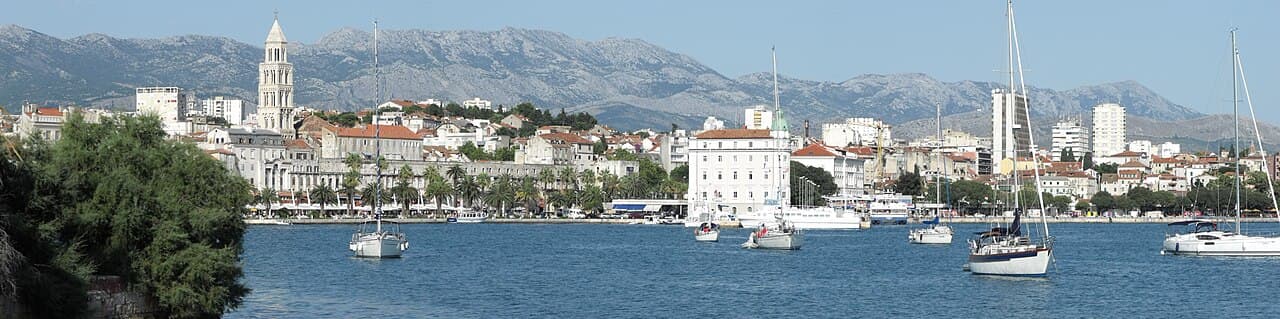
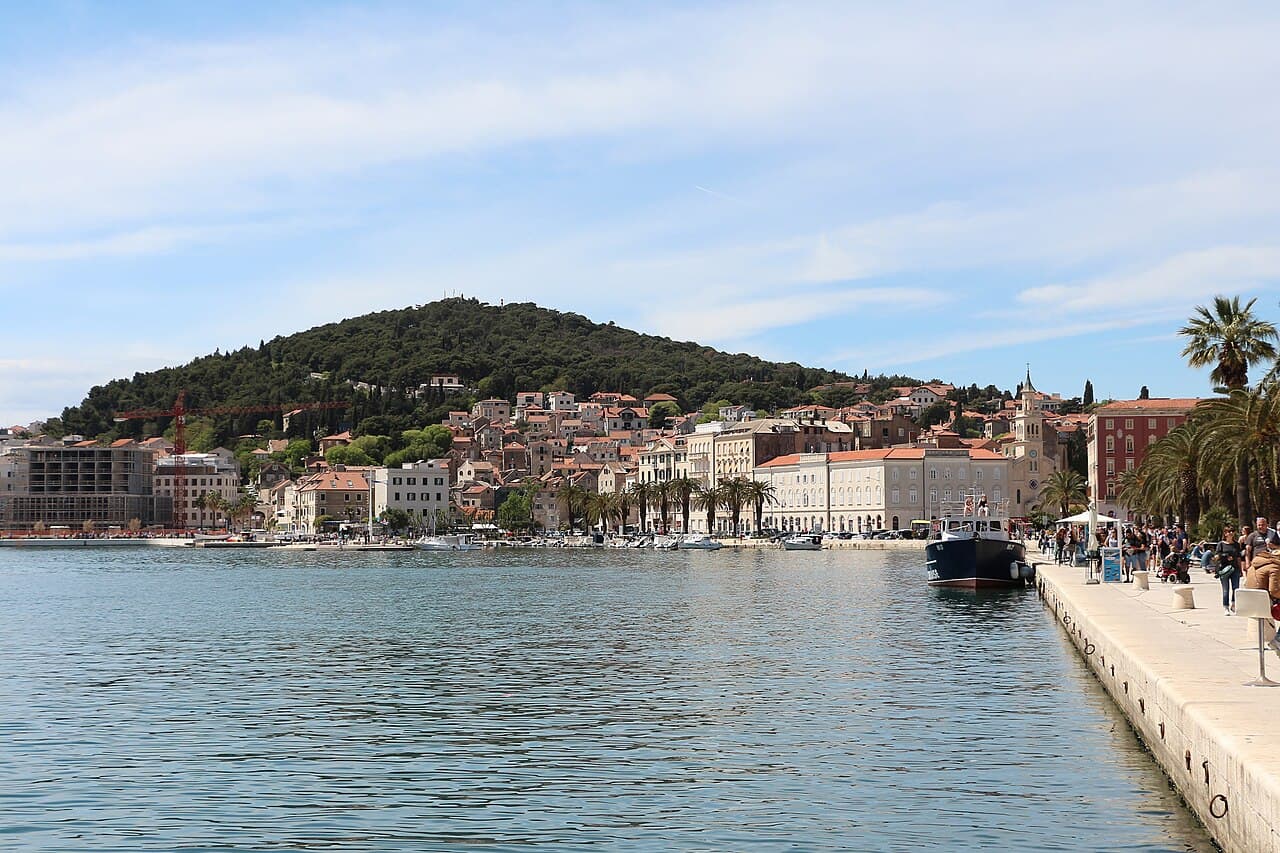
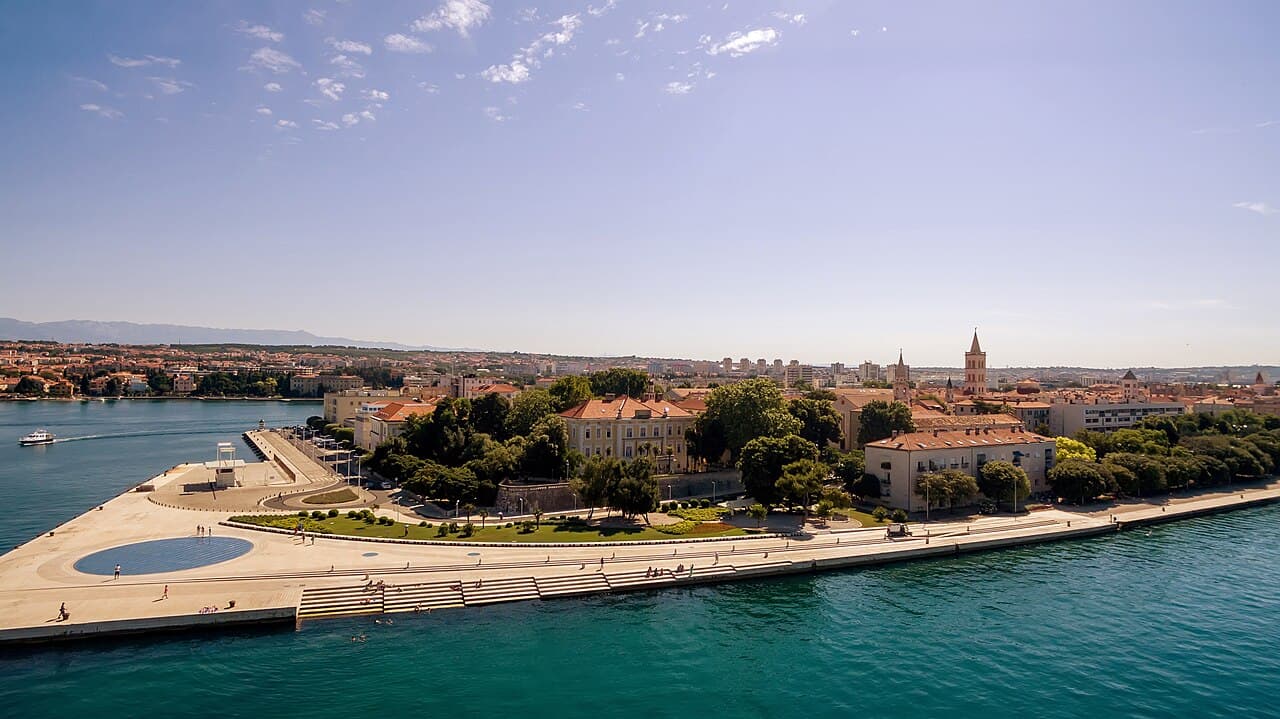
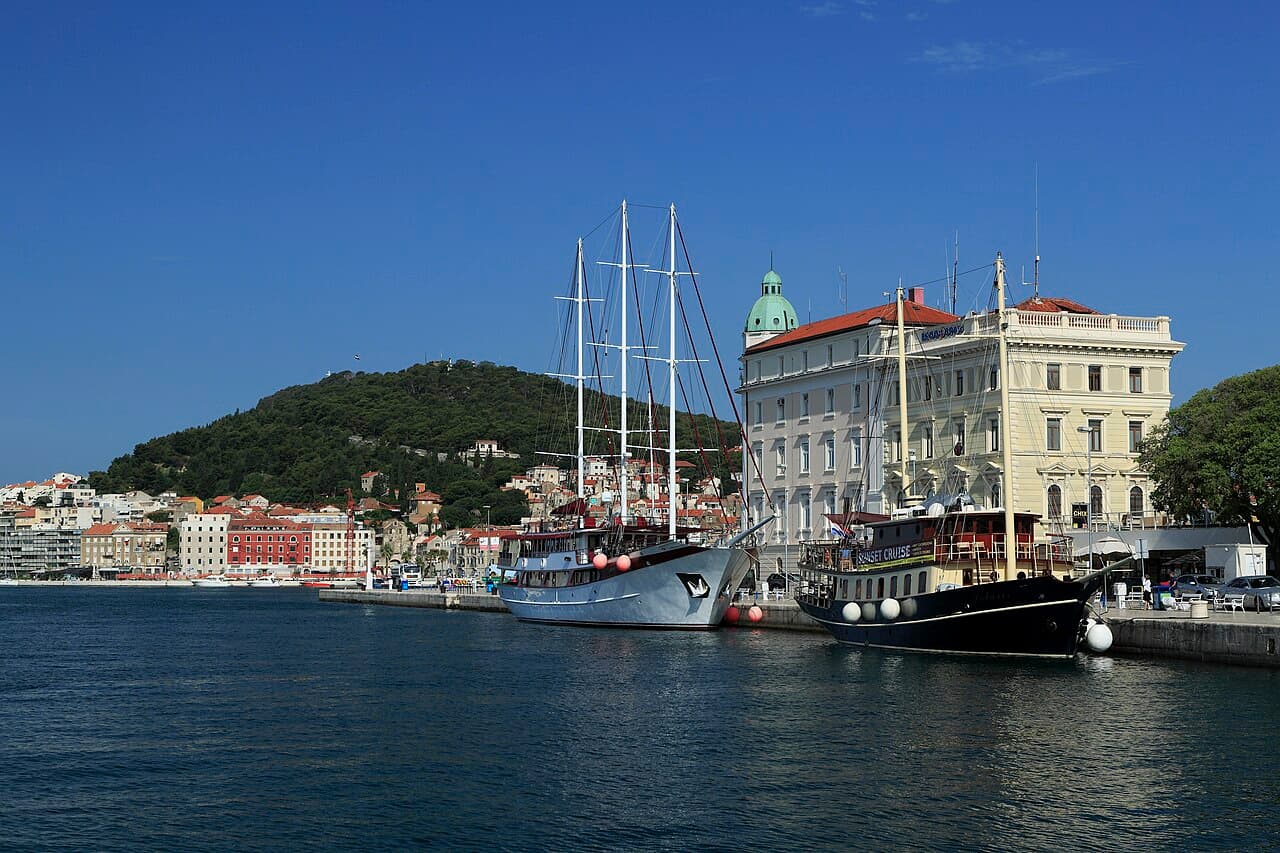
Split, Croatia - Coastal view with harbor and mountains

Main beach type

Primarily pebble, with one central sandy beach

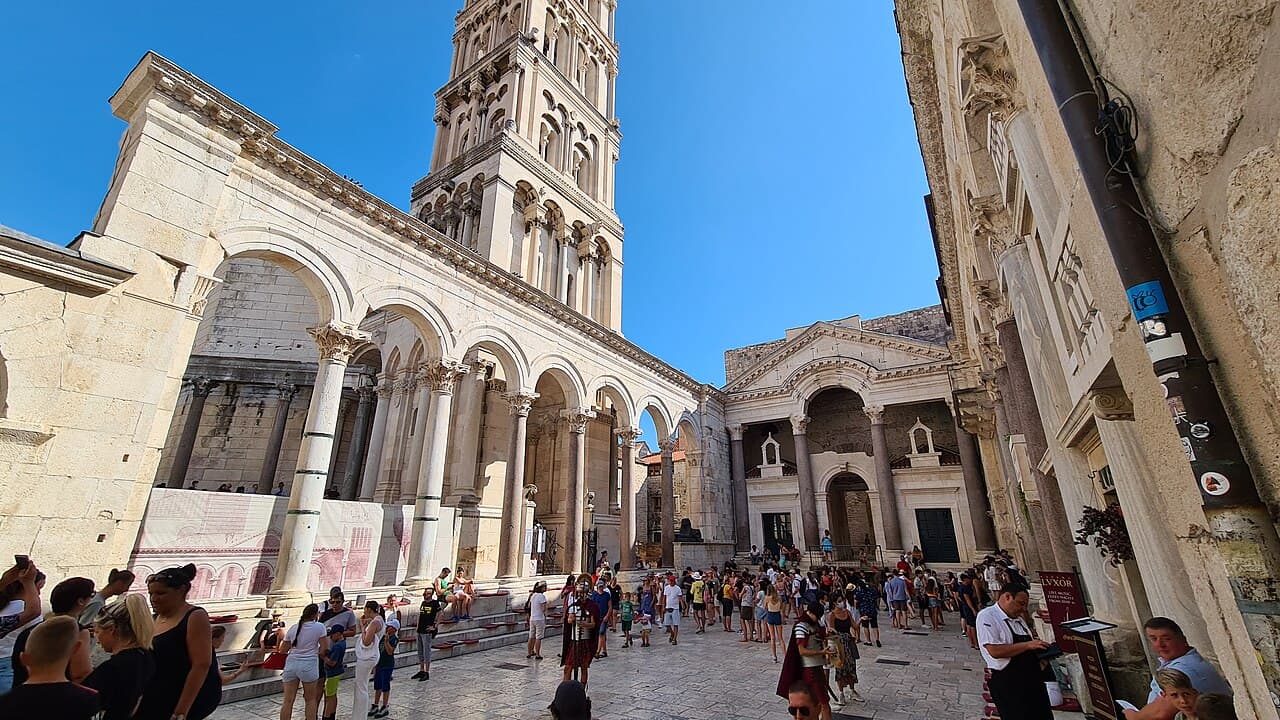
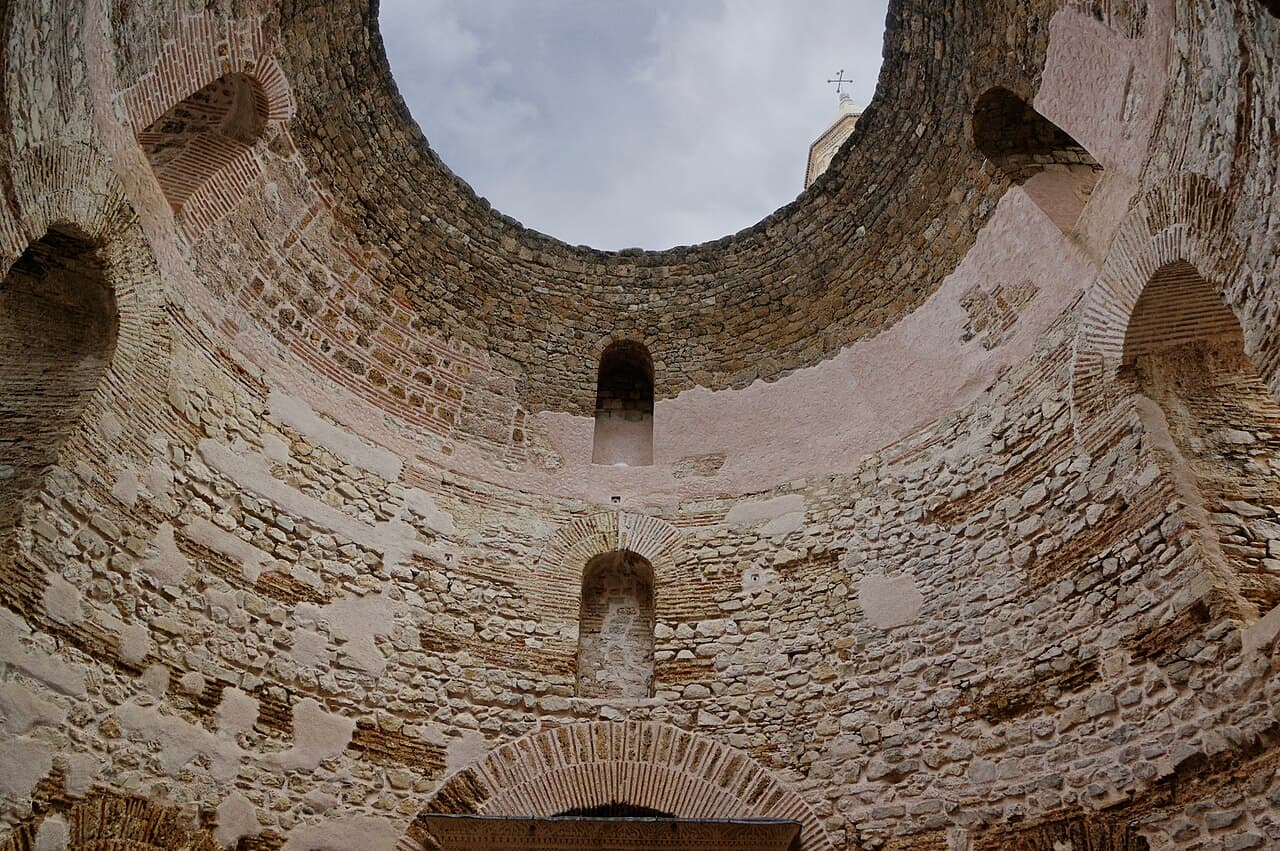
Split is the largest city on the Dalmatian coast, functioning as both a major transport hub and a historical destination. It suits travelers looking for a mix of Roman architecture, urban infrastructure, and direct ferry access to nearby islands. The focal point of the city is Diocletian's Palace, a heavily preserved Roman complex integrated into the modern commercial center.

The main tourist season runs from late May to early October. July and August bring the highest temperatures, largest crowds, and peak accommodation rates. Those prioritizing sightseeing over swimming should visit in April, May, or October, when daytime temperatures are milder, the streets are less congested, and accommodation prices are noticeably lower.

At a glance

Best months
May, June, September, October
Sea temperature in August
25°C to 27°C
Nearest airport
Split Airport (SPU), 24 km from the centre
Main beach type
Primarily pebble, with one central sandy beach
Price level
Above the Croatian average
Old Town walkability
Fully pedestrianised and car-free
Where to stay in Split

Old Town (Grad)

The historical core built around Diocletian's Palace. It is densely packed with restaurants, historical sites, and pedestrian alleys.

Best for:
Sightseeing and short stays without a car
Parking:
No parking inside; expensive lots on the perimeter
Beach:
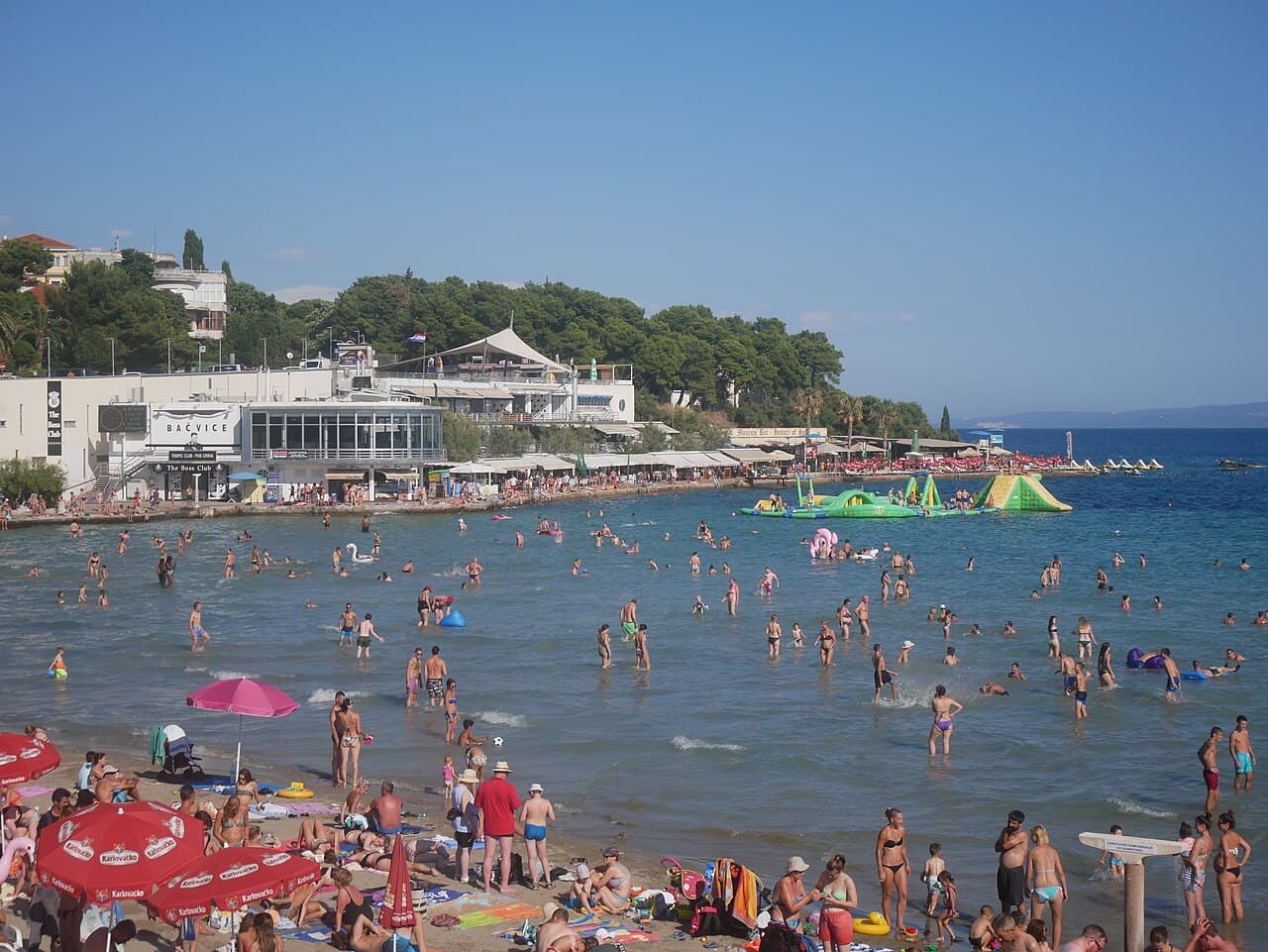
15-minute walk to BaÄŤvice (sand)

BaÄŤvice & Firule

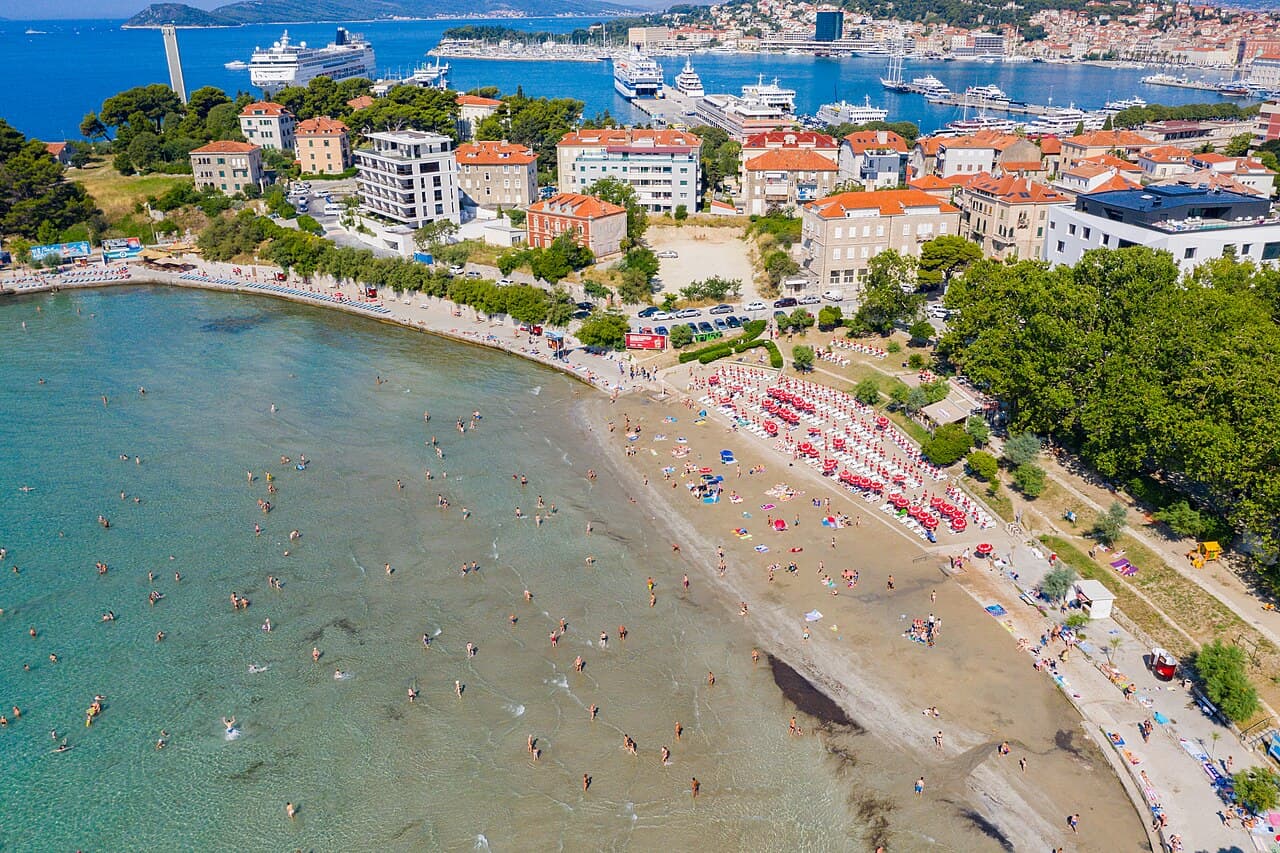
Residential neighborhoods located immediately east of the ferry port. They offer quick access to the city's most famous sandy beaches and major nightclubs.

Best for:
Nightlife and central beach access
Parking:
Limited street parking in Zone 2
Beach:
Immediate access to sandy and shallow bays

Meje

An upscale residential area on the southern slopes of Marjan Hill. It provides distance from city crowds while remaining within walking distance of the center.

Best for:
Quiet stays and nature access
Parking:
Generally available free street parking
Beach:
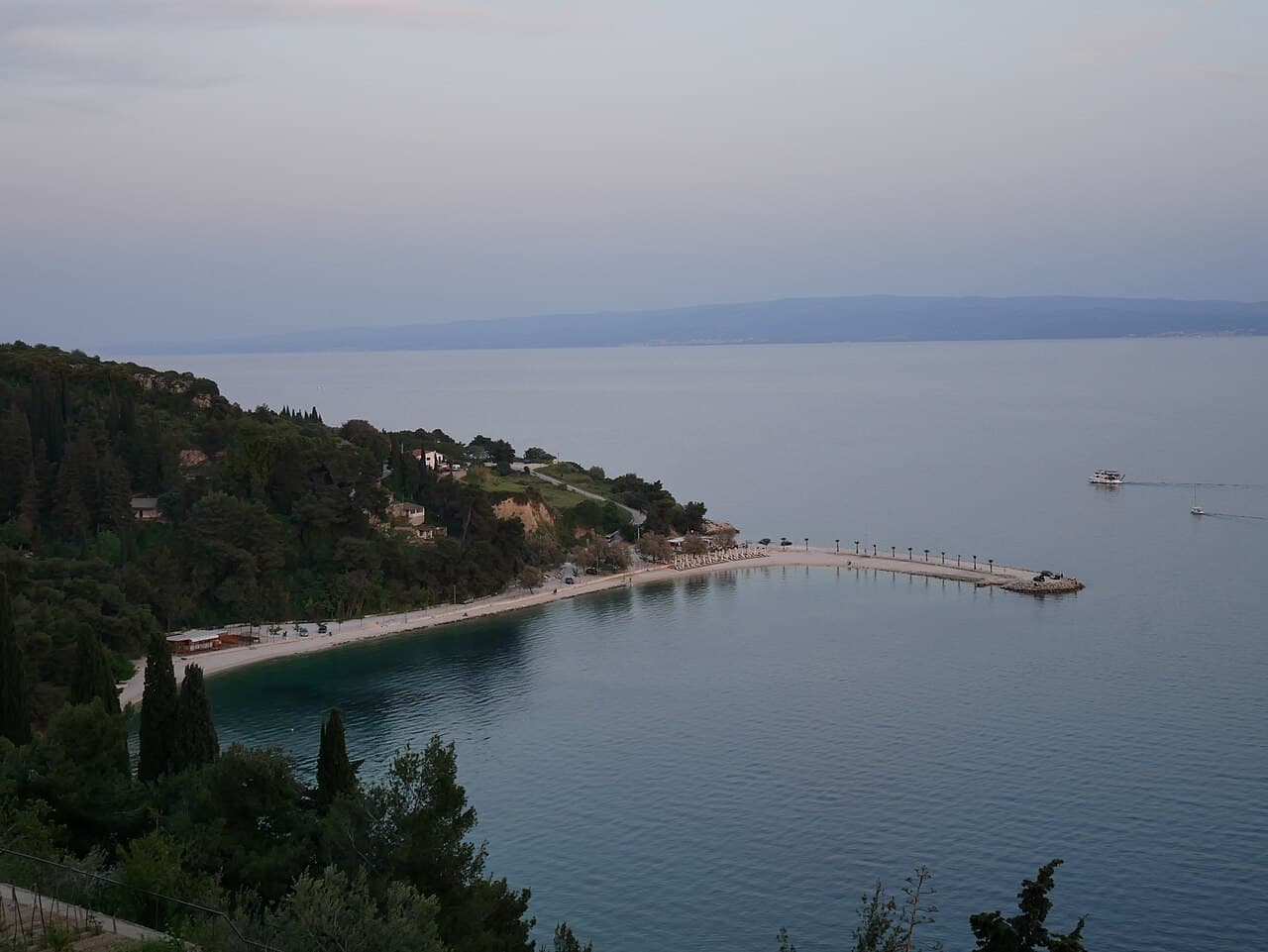
10 to 20-minute walk to Kašjuni (pebble)

Žnjan

A newer coastal suburb east of the center with modern apartment blocks. The area features the city's longest continuous stretch of pebble beaches and beachside cafes.

Best for:
Families and travelers with cars
Parking:
Abundant private and public parking lots
Beach:
Immediate access to a long pebble coastline

Getting to Split

Munich

By car: 850 km, 8.5 to 9.5 hours via A8, A10, A2, and A1. Requires AT and SLO vignettes; tolls for AT tunnels and HR motorways.

Other options: Direct flight (Lufthansa/Croatia Airlines) or direct FlixBus

Vienna

By car: 760 km, 7.5 to 8 hours via A2, A9, and A1. Requires AT and SLO vignettes; tolls for HR motorways.

Other options: Direct flight (Austrian/Ryanair) or direct FlixBus

Budapest

By car: 750 km, 7 to 8 hours via M7, A4, and A1. Requires HU vignette; tolls for HR motorways.

Other options: Seasonal sleeper train or direct FlixBus

Ljubljana

By car: 470 km, 5 hours via A2 and A1. Requires SLO vignette; tolls for HR motorways.

Other options: Direct FlixBus

Prague

By car: 1,050 km, 11 to 12 hours via D1, A9, and A1. Requires CZ, AT, and SLO vignettes; tolls for AT tunnels and HR motorways.

Other options: Direct flight (Smartwings/Croatia Airlines) or FlixBus

KrakĂłw

By car: 1,050 km, 11 to 12 hours via A4, SK, M7, and A1. Requires SK and HU vignettes; tolls for PL and HR motorways.

Other options: Direct flight (Ryanair/LOT) or FlixBus

When to go

From June to August, the sea temperature reaches 25°C to 27°C, all island ferries operate on peak schedules, and prices for accommodation are at their highest. May and September offer milder daytime temperatures around 20°C to 24°C, lower prices, and thinner crowds, though the sea is noticeably cooler. Between November and April, expect daytime highs of 10°C to 15°C; many coastal restaurants and seasonal businesses close, and ferry routes are significantly reduced, but accommodation prices drop by up to 50 percent.

Split guides

Split FAQ

Is Split worth visiting?

Yes, if you want a large coastal city with intact Roman architecture and major ferry connections. It is not suitable for travelers seeking a quiet, isolated beach town.

How many days do I need in Split?

Two to three days are sufficient to see the Old Town, Marjan Hill, and local beaches. Extend the trip to five or seven days if using the city as a base for day trips to Hvar, BraÄŤ, or Krka National Park.
What is the best beach in Split?

Kašjuni is widely considered the most scenic pebble beach, located at the base of Marjan Hill. Bačvice is the most popular sandy beach due to its central location, while Žnjan offers the longest stretch of pebble coast.

Do I need a car in Split?

You do not need a car if you are staying in the center and planning to visit islands via ferry or catamaran. A car is only necessary if you are booking accommodation in the outer suburbs or planning independent trips along the mainland coast.

Where should I park in Split?

Use the large pay-and-display lots on the perimeter of the Old Town, such as Stari Plac or the Vukovarska street lots. Street parking in Zone 1 and Zone 2 is highly competitive and often restricted to residents.

Is Split good for families?

Yes, especially in the eastern suburbs like Žnjan or Stobreč where beaches are wide and parking is easier. Families with strollers should avoid the narrow, stepped streets of the immediate Old Town.

Explore Nearby

More destinations in Split-Dalmatia

Check Availability for Your Chosen Location

If you've already decided which area suits you, check availability below.

Find accommodation

Split

Powered by Booking.com