Dalmatia

Zadar

Plan your Zadar trip with practical details on driving routes, parking, neighborhoods, and the best pebble beaches. A factual guide to the city.

Best months
June to September
Sea temperature in August
25°C - 26°C
Nearest airport
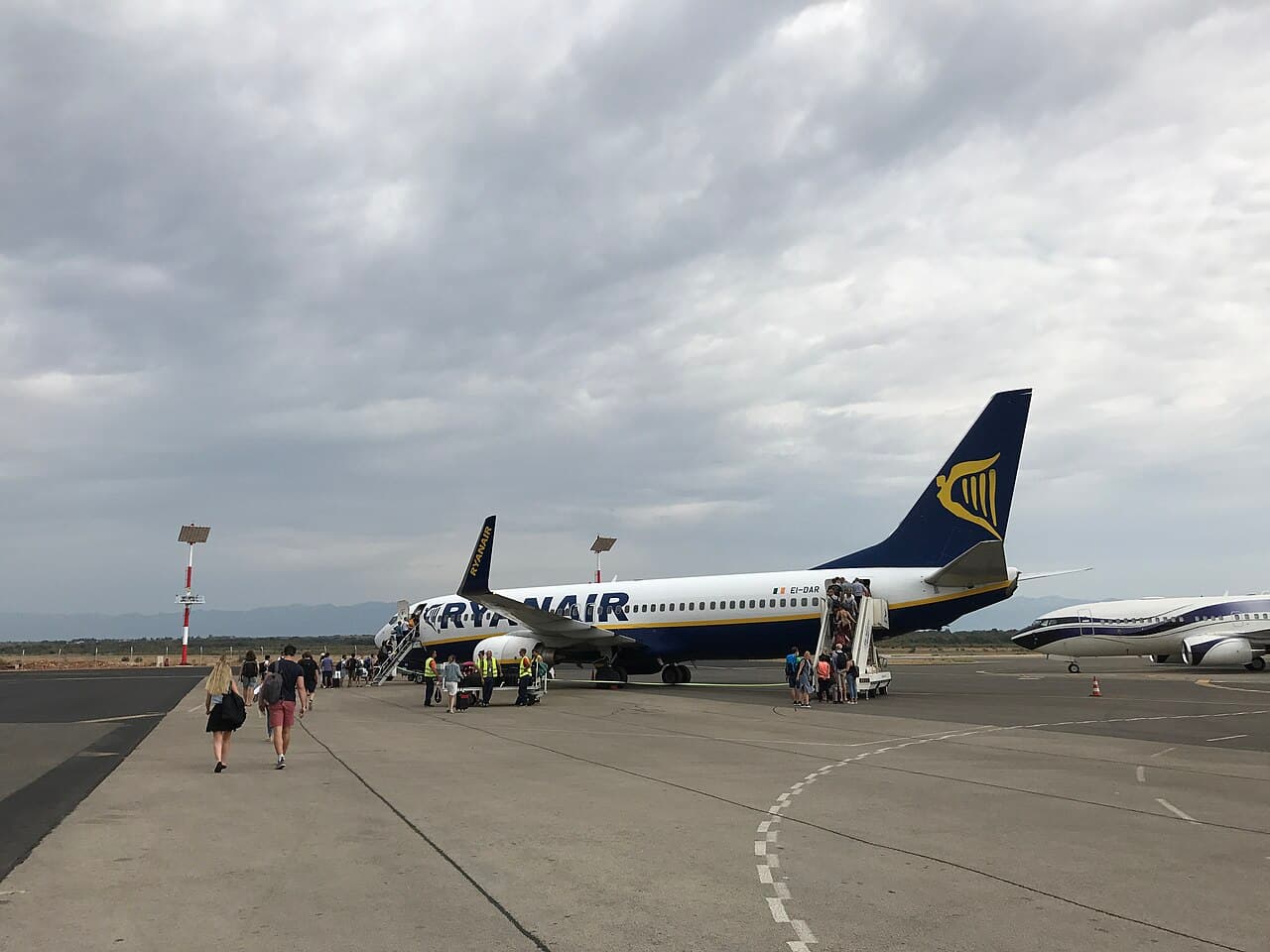
Zadar Airport (ZAD), 12 km from centre
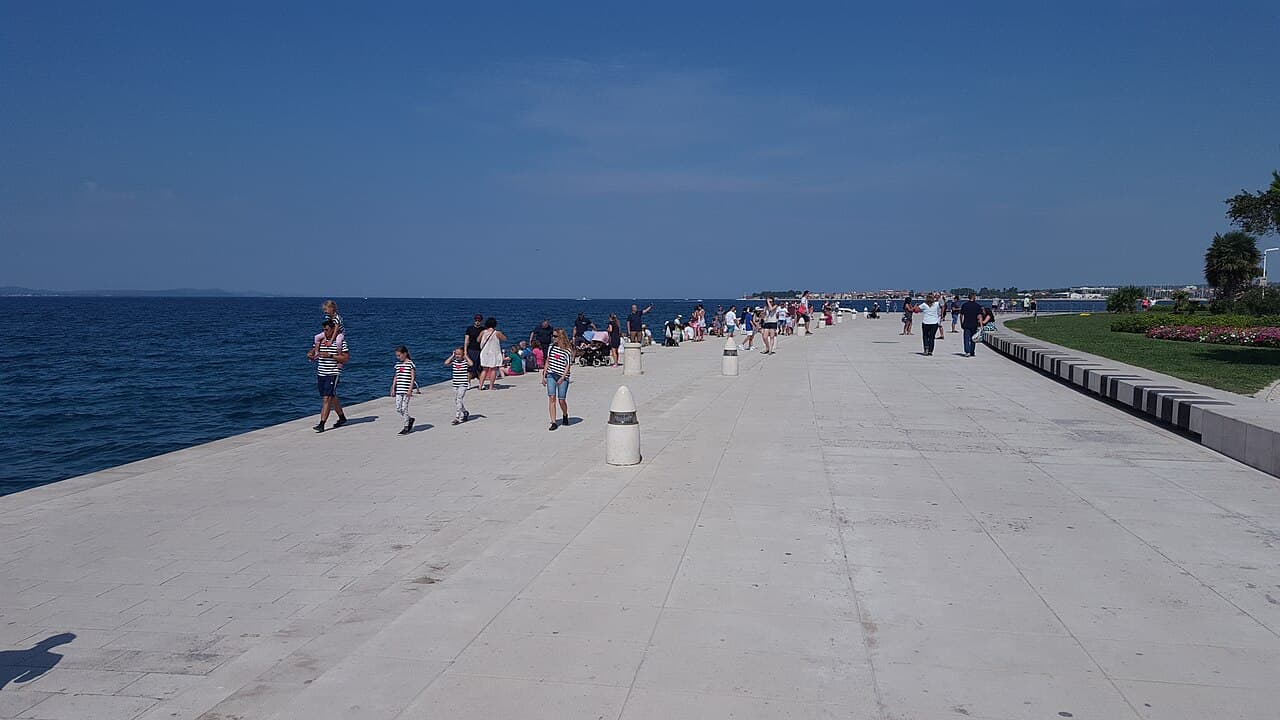
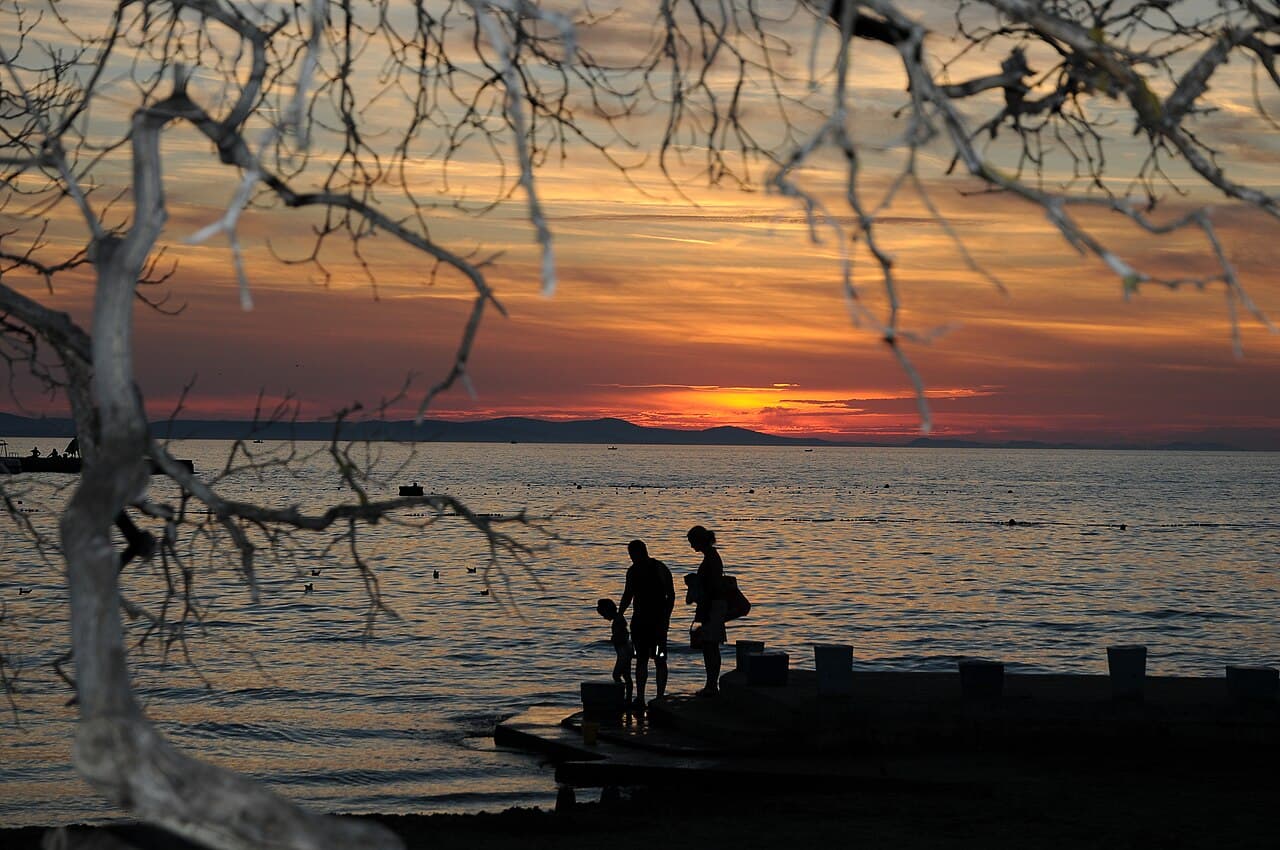
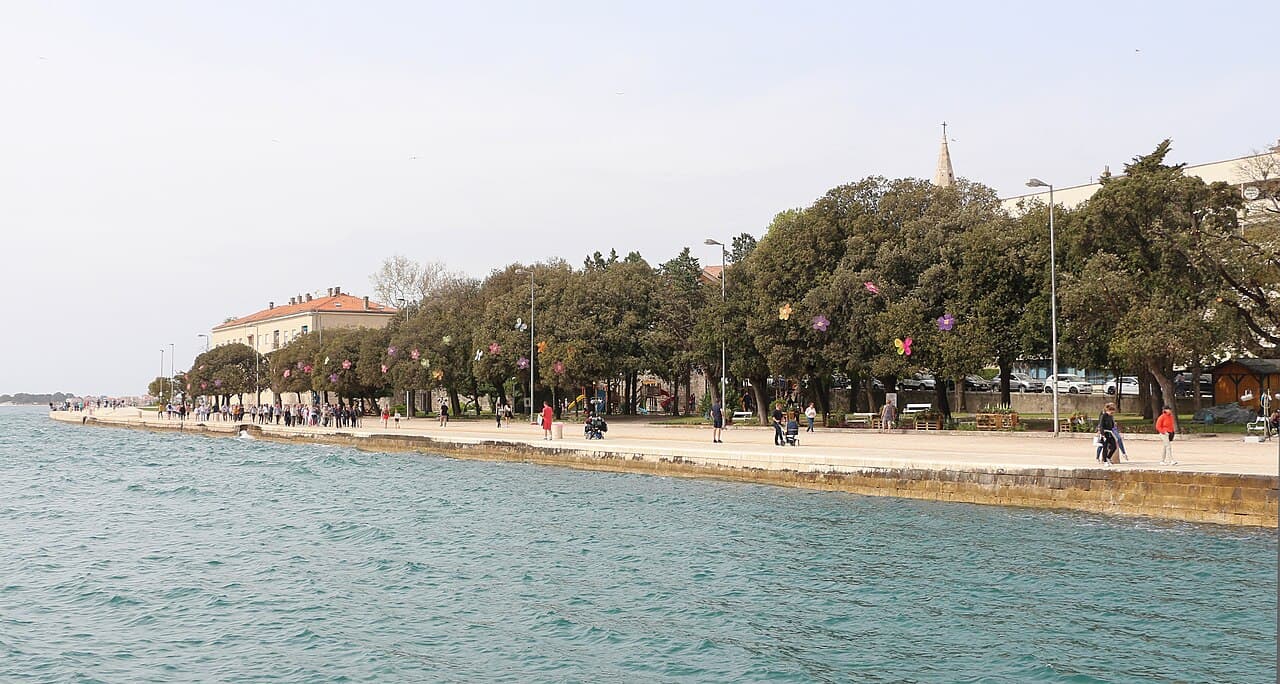
Zadar Sea Organ sunset

Main beach type

Pebble and concrete terraces

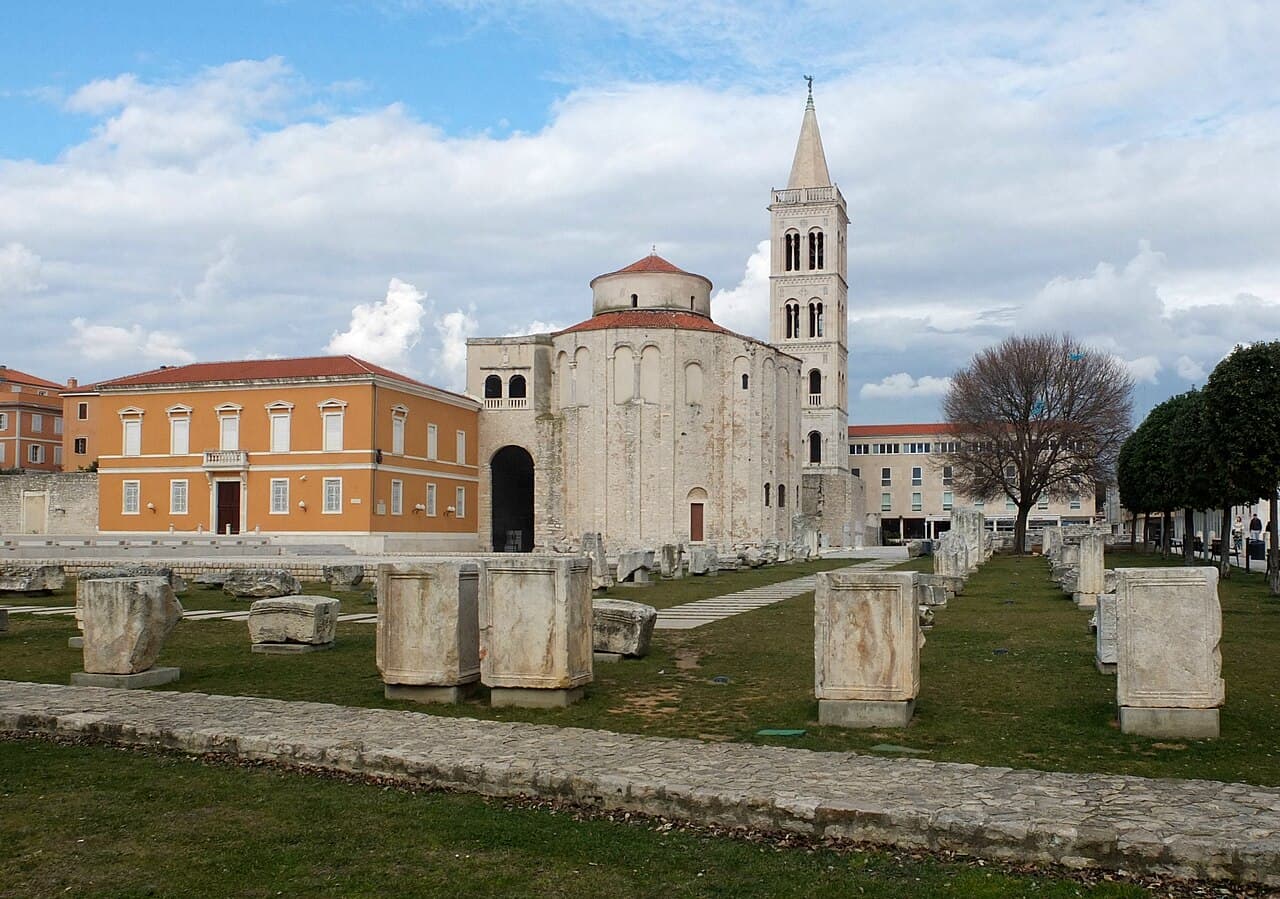
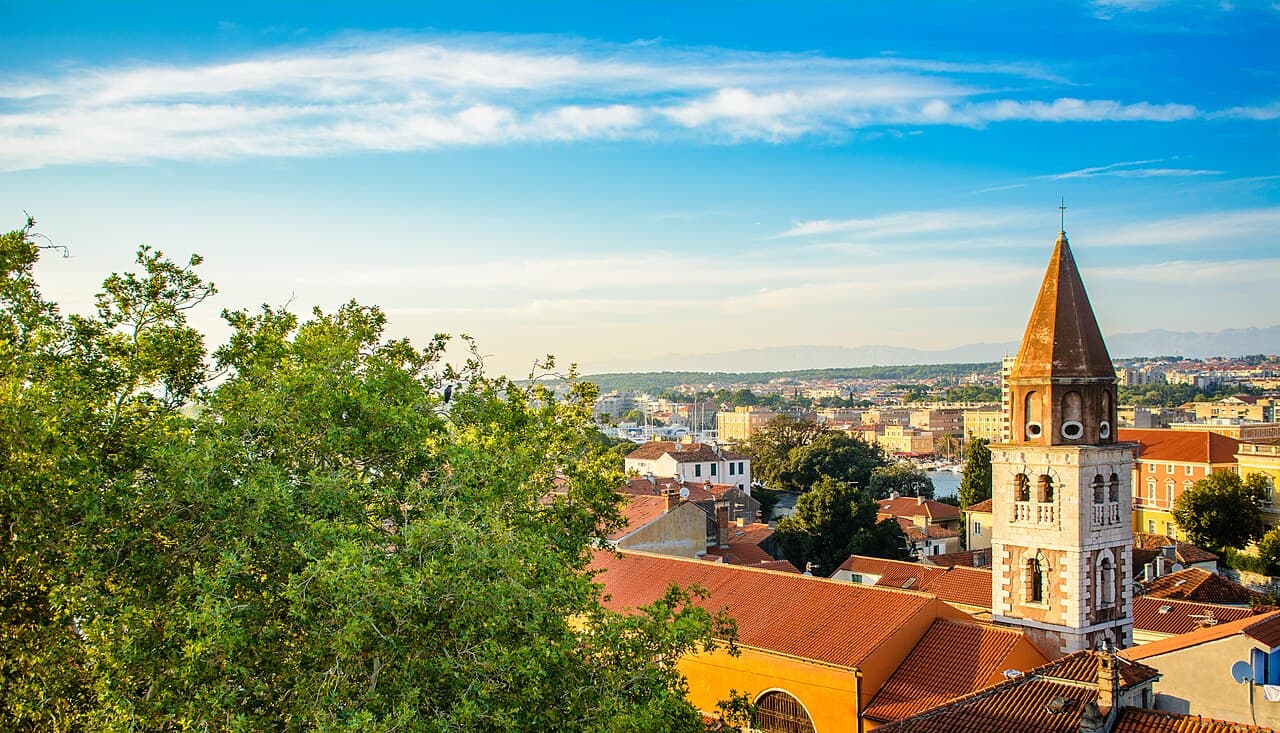
Zadar serves as a practical gateway to Northern Dalmatia, offering a compact Roman and medieval center alongside accessible pebble beaches. It suits families, couples, and road-trippers looking for a base that is less crowded and less expensive than Split or Dubrovnik, while providing direct access to the Kornati Islands and Plitvice Lakes.

The main city is divided between the historic, pedestrianized peninsula and the coastal residential neighborhoods stretching north and south. Peak season runs from late June to August, when the sea is warmest and ferry lines operate at full capacity. Those prioritizing sightseeing and lower accommodation costs should target May, September, or October, when the weather remains mild and local roads are quieter.

At a glance

Best months
June to September
Sea temperature in August
25°C - 26°C
Nearest airport
Zadar Airport (ZAD), 12 km from centre
Main beach type
Pebble and concrete terraces
Price level
Moderate (cheaper than Split or Dubrovnik)
Old town
Pedestrianized peninsula (car-free zone)

Where to stay in Zadar

Old Town (Poluotok)

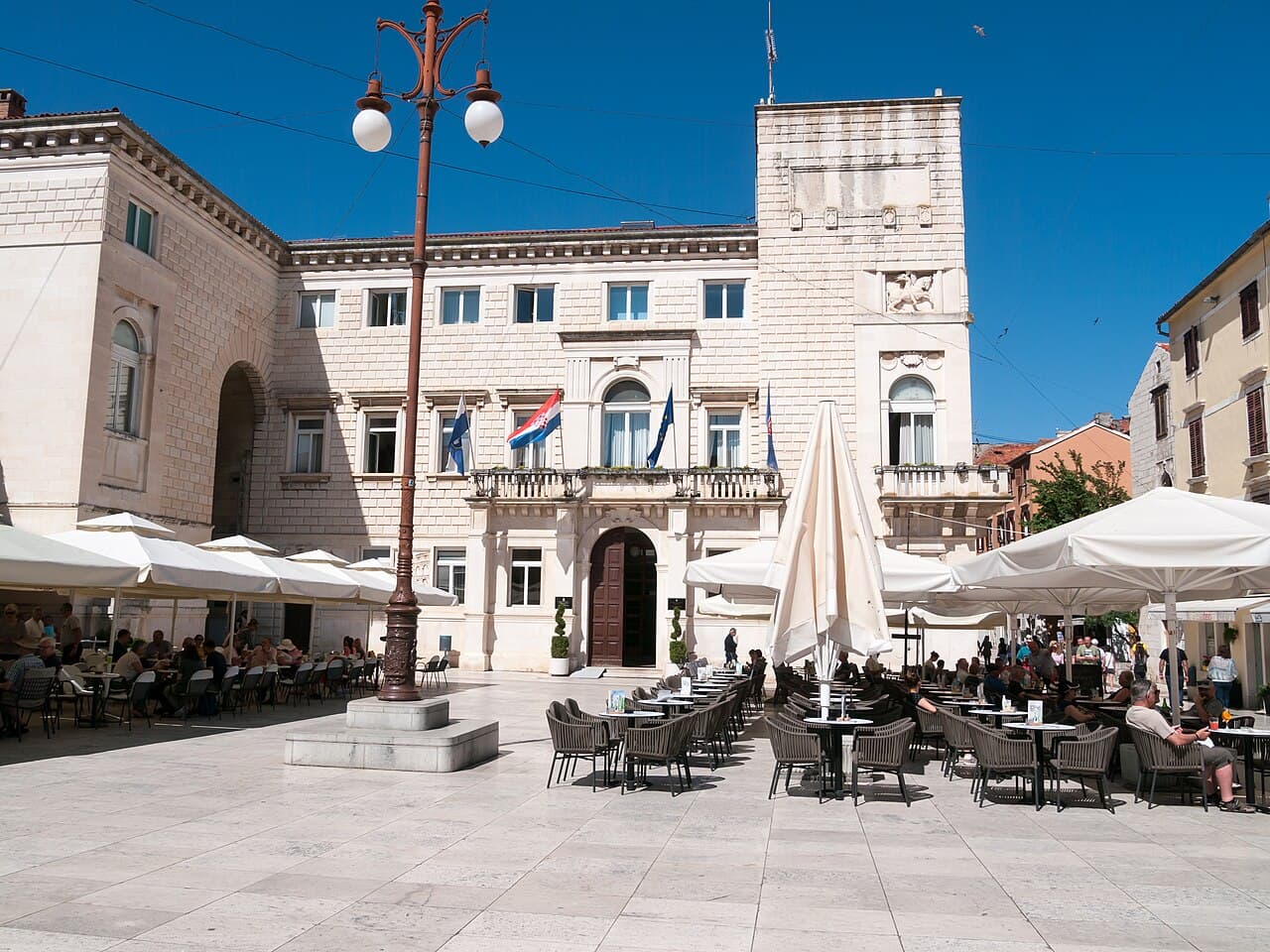
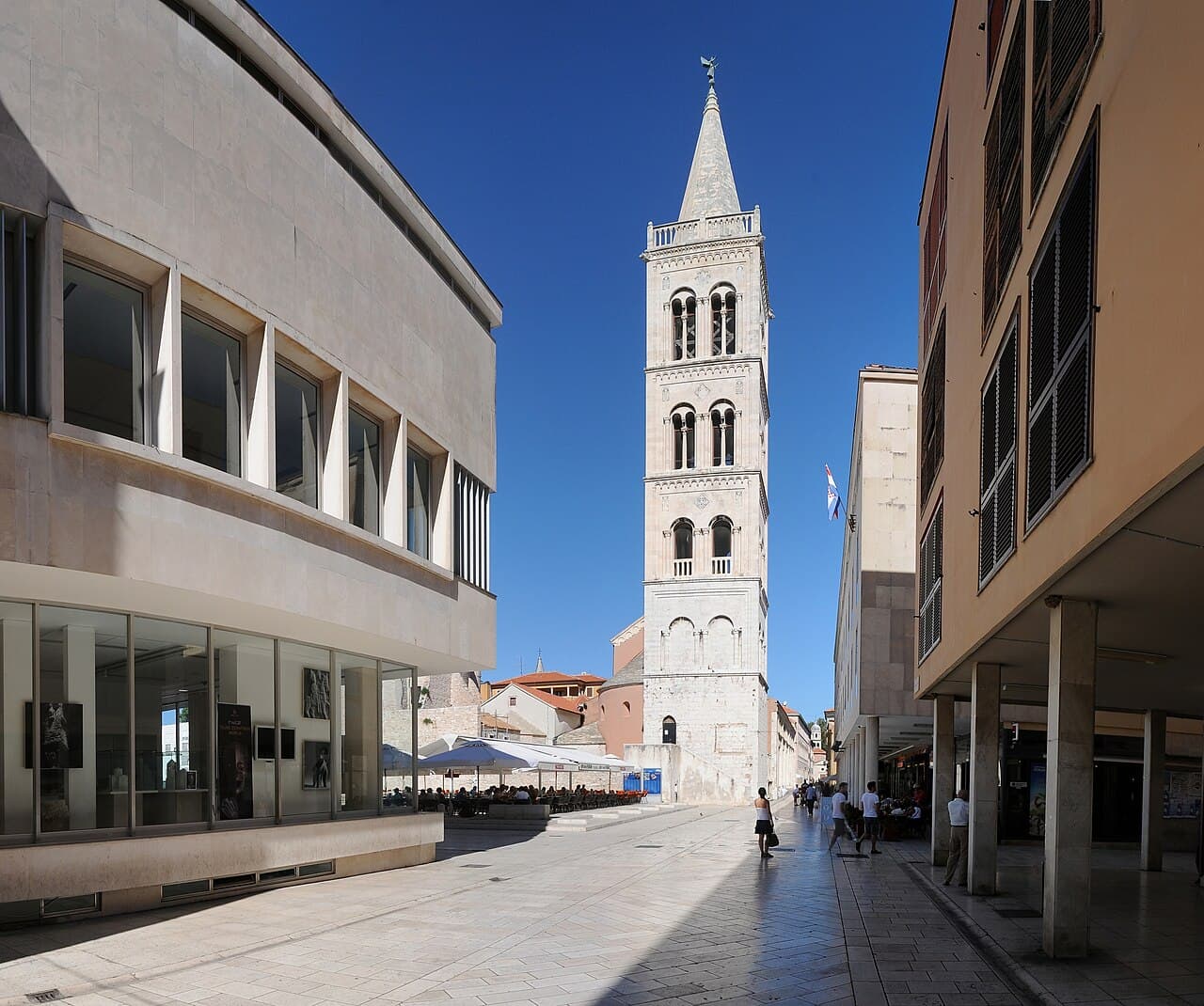
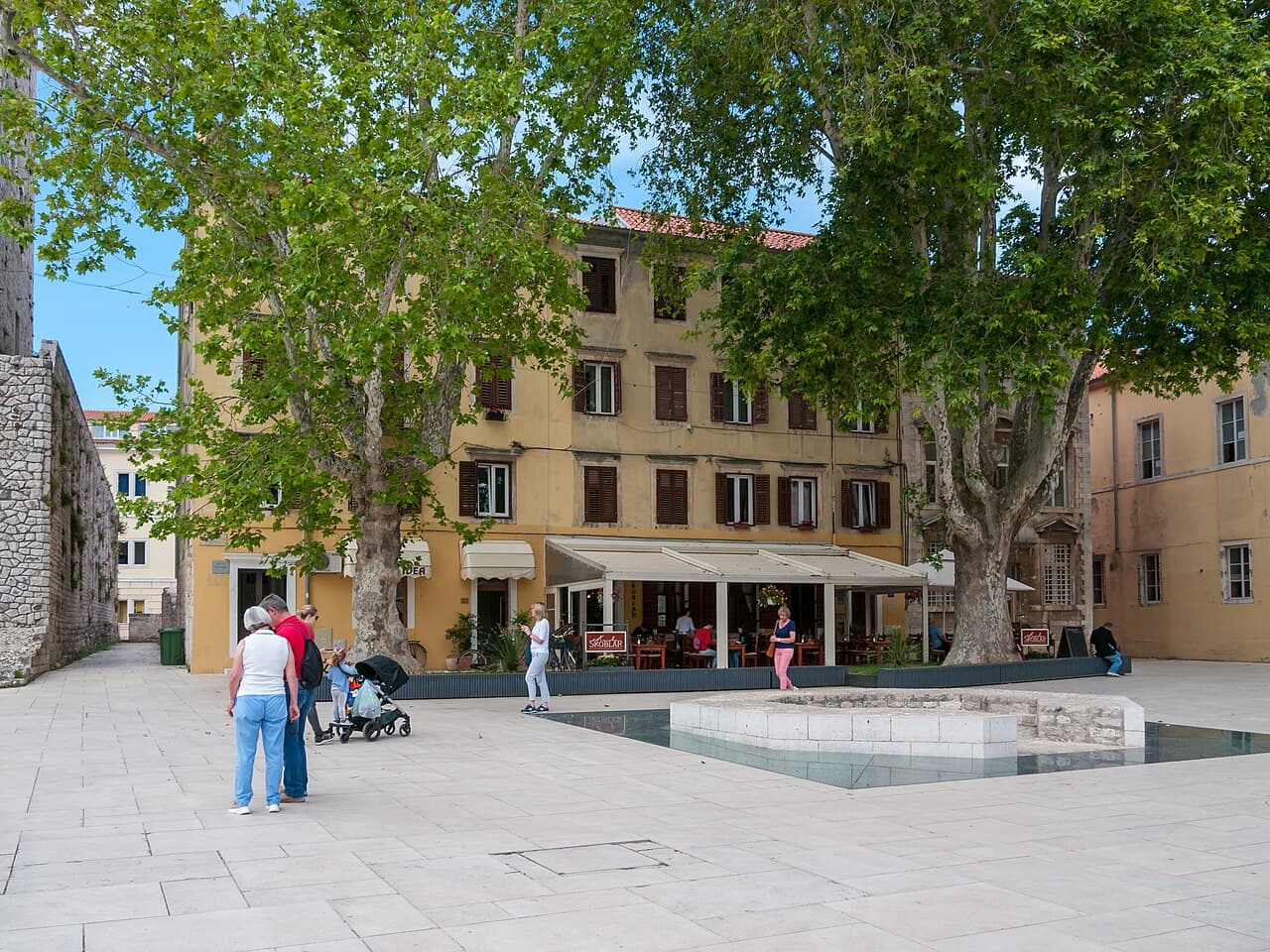
The historic heart of Zadar occupies a small peninsula packed with Roman ruins, churches, and restaurants. It is entirely pedestrianized, making it difficult for drivers but highly practical for walking.

Best for:
Sightseeing, dining, and short stays.
Parking:
Public paid parking outside the walls; very limited.
Beach:
15-20 min walk to Kolovare Beach.

Borik & Puntamika

Located 4 km north of the center, this area holds Zadar's main resorts and camping facilities. It offers shallow beaches and pine shade, though reaching the Old Town requires a bus or car.

Best for:
Families and resort-style beach holidays.
Parking:
Most hotels and apartments provide private parking.
Beach:
Direct access to Borik Beach (pebble and sand mix).

Diklo

A residential suburb extending north of Borik, characterized by waterfront apartments and small local cafes. The shoreline is mostly concrete terraces and rocky areas favored by locals.

Best for:
Quieter, self-catering apartment stays.
Parking:
Free street parking is common; check with accommodation.
Beach:
Immediate access to pebble and concrete beaches.

Kolovare & Arbanasi

Situated just south of the Old Town, this neighborhood centers around the city's main public beach. It offers a practical compromise between beach time and evening walks into the center.

Best for:
Walking access to both the beach and the Old Town.
Parking:
Street parking available, heavily congested in summer.
Beach:
Immediate access to Kolovare Beach (pebble).

Getting to Zadar

Munich

By car: 730 km, 8-9 hours via A8, A10 (Tauern), and Croatia A1. Tolls include AT vignette, Tauern/Karawanken tunnels, SLO vignette, and HR highway tolls.

Other options: Direct flights with Croatia Airlines or Lufthansa.

Vienna

By car: 600 km, 6-7 hours via Graz, Maribor, and Zagreb (A1). Requires AT and SLO vignettes, plus HR highway tolls.

Other options: Direct flights via Austrian Airlines or Ryanair.

Budapest

By car: 630 km, 6-7 hours via M7 to Letenye border, then HR A4 and A1. Requires HU vignette and HR highway tolls.

Other options: Direct budget flights (Ryanair) or long-distance bus (Flixbus).

Ljubljana

By car: 330 km, 3.5-4 hours via A2 to Novo Mesto, then HR A1. Requires SLO vignette and HR highway tolls.

Other options: Direct bus services (approx. 5-6 hours).

Prague

By car: 900 km, 10-11 hours via Brno, Vienna, and Zagreb. Requires CZ, AT, and SLO vignettes, plus HR highway tolls.

Other options: Direct seasonal flights (Ryanair) or RegioJet trains to coastal cities.

Kraków

By car: 1000 km, 10-11 hours via Slovakia (D1) and Hungary (M1/M7). Requires SK and HU vignettes, plus HR highway tolls.

Other options: Direct seasonal flights (Ryanair) or long-distance bus.

When to go

Late June through August is the peak season, characterized by air temperatures often exceeding 30°C, sea temperatures reaching 26°C, and the highest accommodation prices. July and August bring dense crowds to the Old Town and beaches, while all restaurants, ferry routes, and tour operators run at full capacity. September offers an optimal balance: the sea remains warm enough for swimming, but the summer crowds thin out and hotel rates decrease by 20-30%. From November to Easter, Zadar enters low season; many coastal resorts, seasonal restaurants, and island ferry connections reduce their services or close entirely, though the city center remains functional for locals.

Zadar guides

Zadar FAQ

Is Zadar worth visiting?

Yes, Zadar is worth visiting for its mix of Roman history, medieval churches, and unique public art like the Sea Organ. It serves as a practical, less-crowded alternative to Split and an excellent base for visiting several national parks.

How many days do you need in Zadar?

Two full days are sufficient to explore the Old Town and enjoy the local beaches. If you plan to take day trips to the Kornati Islands or Plitvice Lakes, allow four to five days.

What is the best beach in Zadar?

Borik Beach is highly rated for families due to its shallow water and mix of sand and pebbles. Kolovare Beach is the most convenient option if you are staying near the city center, offering long pebble stretches and natural shade.

Do I need a car in Zadar?

You do not need a car if you plan to stay in the Old Town or take organized boat tours. However, a car is highly recommended if you want to explore the wider Zadar region, visit national parks, or stay in outer suburbs like Diklo.

Where is the best place to park in Zadar?

The Old Town is a pedestrian zone, so visitors must park outside the city walls. The most practical options are the public parking lots along the eastern wall (Obala kralja Tomislava) or the Ravnice lot nearby, which charge hourly or daily rates.

Is Zadar good for families?

Yes, Zadar is highly suitable for families due to its flat, walkable center and quieter atmosphere compared to larger Dalmatian cities. Areas like Borik offer dedicated family resorts, shallow waters, and pine tree shade.

Explore Nearby

More destinations in Dalmatia

Check Availability for Your Chosen Location

If you've already decided which area suits you, check availability below.

Find accommodation

Zadar

Powered by Booking.com