Dubrovnik Region

Korčula

Plan your trip to Korčula, Croatia. Discover the best areas to stay, driving routes from Europe, ferry information, parking, and top beaches.

Best months
June to September
Sea temp in August
25°C - 27°C
Nearest airport
Dubrovnik (DBV), 130 km + 15-min ferry
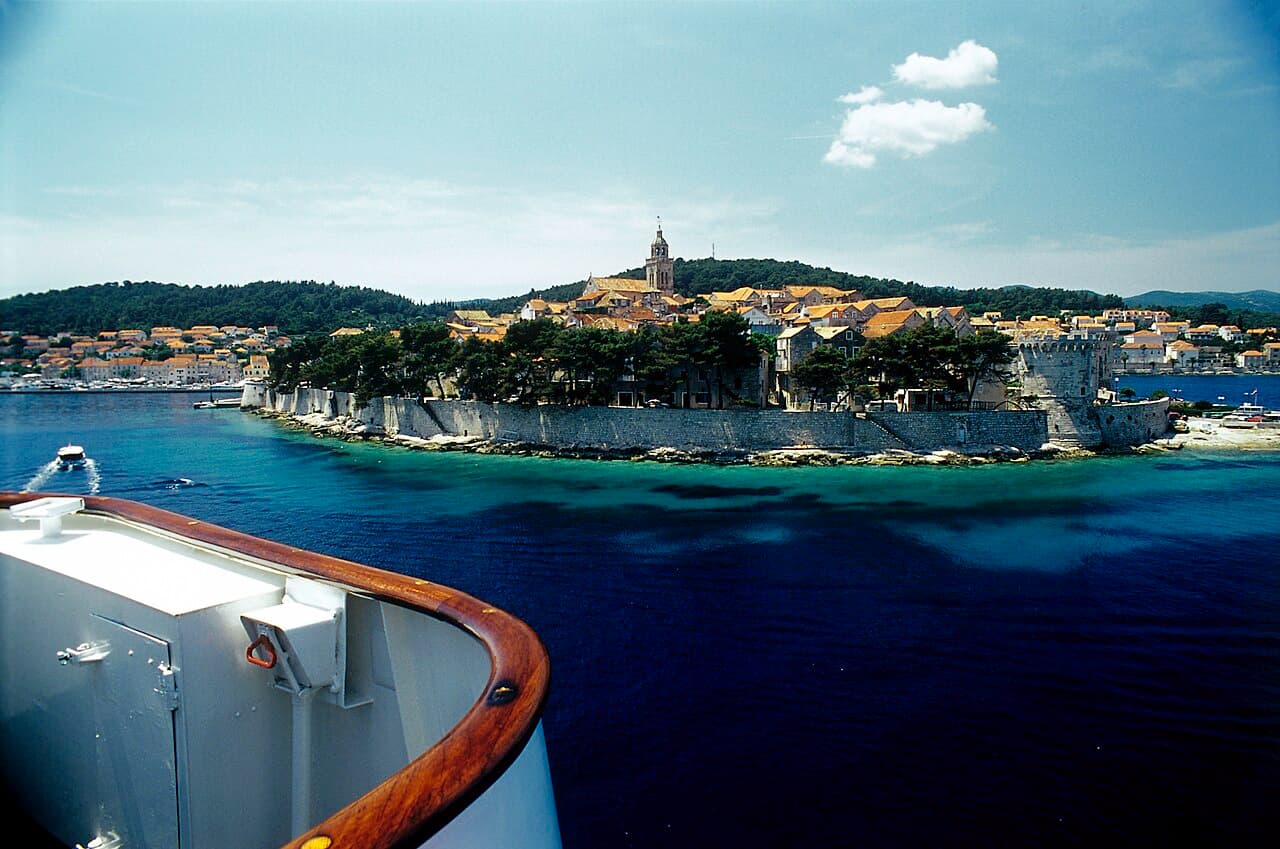
Korčula medieval town and towers

Main beach type

Pebble, rocky slabs, rare sand (Lumbarda)

Korčula appeals to travelers seeking historical architecture, distinct local wine, and a quieter atmosphere than neighboring Hvar. The island features dense pine forests, rocky coastlines, and a fortified main town situated on a small peninsula. Visitors spend their time exploring narrow stone alleys, visiting family-run wineries in the interior, and swimming in pebble or rare sandy coves.

The main season runs from late spring to early autumn. Most driving visitors arrive via the car ferry from Orebić, which is reached by crossing the Pelješac Bridge, or by taking the longer car ferry from Split. The island accommodates both short stays focused on Korčula Town and longer holidays requiring a car to explore western settlements like Vela Luka.

At a glance

Best months
June to September
Sea temp in August
25°C - 27°C
Nearest airport
Dubrovnik (DBV), 130 km + 15-min ferry
Main beach type
Pebble, rocky slabs, rare sand (Lumbarda)
Price level
Above average for Croatia
Walkability
Old Town is entirely car-free

Where to stay in Korčula

Korčula Town

The historical and cultural center of the island. It offers the highest concentration of restaurants, museums, and boat tour departures.

Best for:
First-time visitors and history enthusiasts
Parking:
Paid lots outside the pedestrian walls; high daily rates
Beach:
5-minute walk to Banje (pebble) or rocky spots

Lumbarda

A relaxed village located 6 kilometers from Korčula Town. It is famous for Grk wine production and the island's only natural sandy beaches.

Best for:
Families with children and wine lovers
Parking:
Generally free or inexpensive street parking
Beach:
Direct access to Vela Pržina and Bilin Žal (sandy)

Vela Luka

The largest town on the island, situated on the western end. It serves as the main port for car ferries arriving directly from Split.

Best for:
Travelers seeking a quieter, more local environment
Parking:
Plentiful and mostly free around accommodations
Beach:
Short boat ride to Proizd island (clear pebble/rock)

Žrnovo & Interior Villages

A cluster of small, traditional hamlets set back from the sea. The area is known for agrotourism, traditional macaroni dishes, and forested hiking trails.

Best for:
Hikers, foodies, and those looking for seclusion
Parking:
Easy and free at most guesthouses
Beach:
10-15 minute drive to south coast pebble coves

Getting to Korčula

Munich

By car: 1,050 km, 12-13 hours via A8, AT (vignettes/tolls), SI (vignette), HR A1 tolls, Pelješac Bridge, Orebić ferry

Other options: Fly to Split (SPU) or Dubrovnik (DBV), then catamaran

Vienna

By car: 850 km, 10-11 hours via AT A2 (vignette), SI (vignette), HR A1 tolls, Pelješac Bridge, Orebić ferry

Other options: Fly to Split (SPU) or Dubrovnik (DBV), then catamaran

Budapest

By car: 850 km, 10-11 hours via HU M7 (vignette), HR A4/A1 tolls, Pelješac Bridge, Orebić ferry

Other options: Fly to Zadar or Split, then take a bus and catamaran

Ljubljana

By car: 600 km, 7-8 hours via SI A2 (vignette), HR A1 tolls, Pelješac Bridge, Orebić ferry

Other options: Bus to Split or Dubrovnik, followed by a foot passenger catamaran

Prague

By car: 1,150 km, 13-14 hours via CZ/AT/SI vignettes, HR A1 tolls, Pelješac Bridge, Orebić ferry

Other options: Fly to Split (SPU), then take the car ferry to Vela Luka

Kraków

By car: 1,200 km, 13-14 hours via SK/HU vignettes, HR A4/A1 tolls, Pelješac Bridge, Orebić ferry

Other options: Fly to Split (SPU), then catamaran or car ferry to Korčula

When to go

June and September offer sea temperatures around 23-25°C, mild weather, and full service without peak crowds. July and August bring peak heat, 26°C waters, highest accommodation prices, and busy ferries. October and May see cooling waters (19-21°C), reduced ferry schedules, and many seasonal restaurants closing, making these months better for hiking and historical sightseeing than swimming.

Korčula guides

Korčula FAQ

Is Korčula worth visiting?

Yes, for its well-preserved medieval town, distinct wine culture, and clear coastal waters. It offers a quieter, more historical alternative to the party atmosphere of neighboring islands.

How many days do you need in Korčula?

Three to four days is optimal for a visit. This provides enough time to see Korčula Town, visit Lumbarda's vineyards, and drive to a few southern pebble beaches.

What is the best beach in Korčula?

Vela Pržina and Bilin Žal in Lumbarda are the best sandy beaches, making them popular for families. Pupnatska Luka on the south coast is widely considered the top pebble beach for its clear water and forested backdrop.

Do I need a car in Korčula?

A car is not needed if you only plan to stay in Korčula Town and take boat tours. However, a vehicle is highly recommended for exploring the island's hidden coves, interior vineyards, and western towns.

Where can I park in Korčula Town?

Korčula Town has paid parking lots outside the pedestrian zone, such as the eastern port lot or near the Tommy supermarket. Smaller towns and villages across the island typically offer free or cheaper street parking.

Is Korčula good for families?

Yes, the island is very safe and features several family-friendly areas. Lumbarda is particularly popular for families due to its shallow sandy beaches and relaxed, walkable environment.

Explore Nearby

More destinations in Dubrovnik Region

Check Availability for Your Chosen Location

If you've already decided which area suits you, check availability below.

Find accommodation

Korčula

Powered by Booking.com