Istria

Vrsar

Plan your Vrsar trip with this practical guide. Compare neighborhoods, driving routes from Central Europe, beach types, parking and the best time to go.

Best months
June to September
Sea temp in August
25°C to 27°C
Nearest airport
Pula Airport (PUY), 52 km
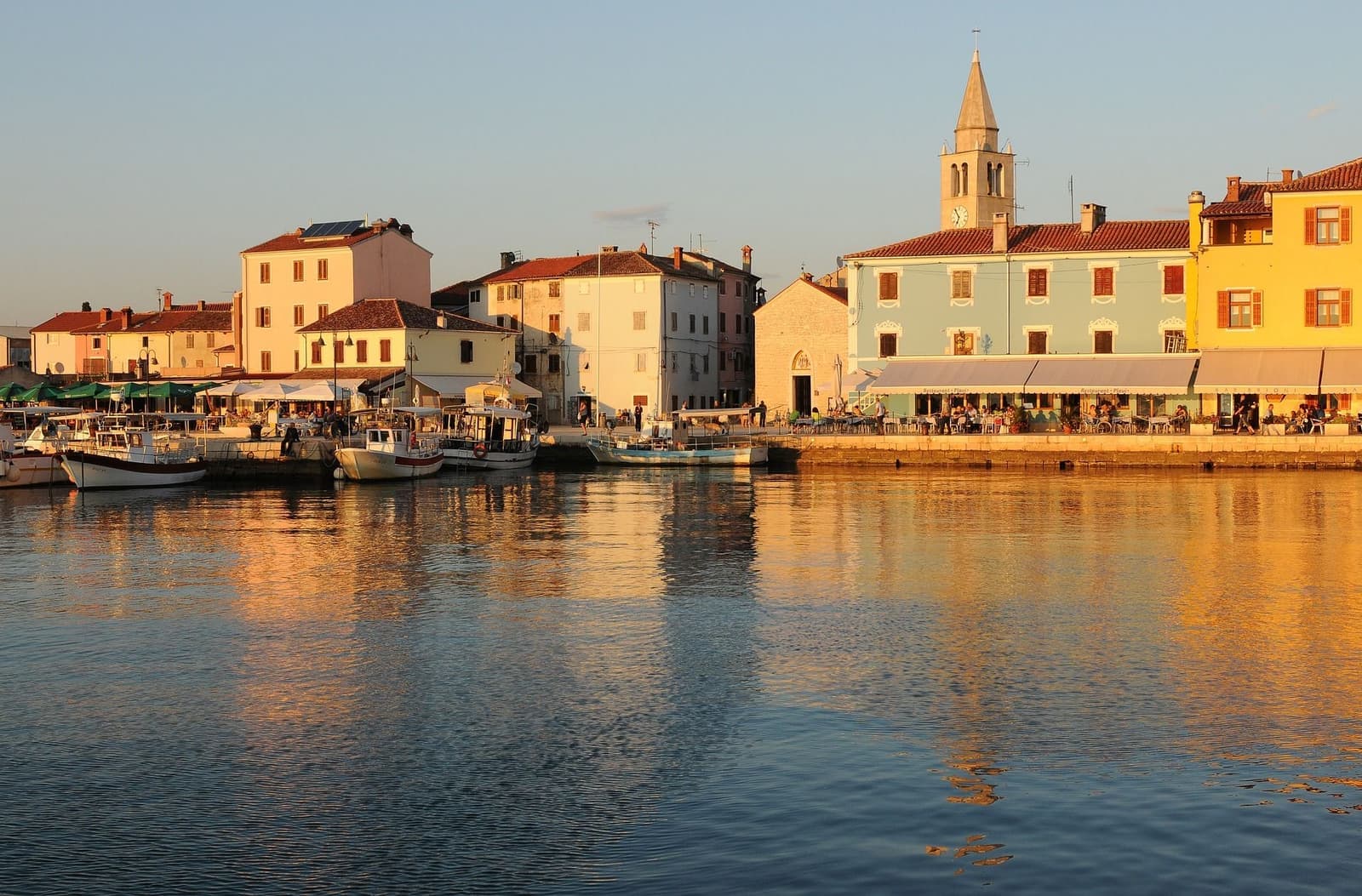
Vrsar picturesque Istrian town

Main beach type

Pebble bays and paved plateaus

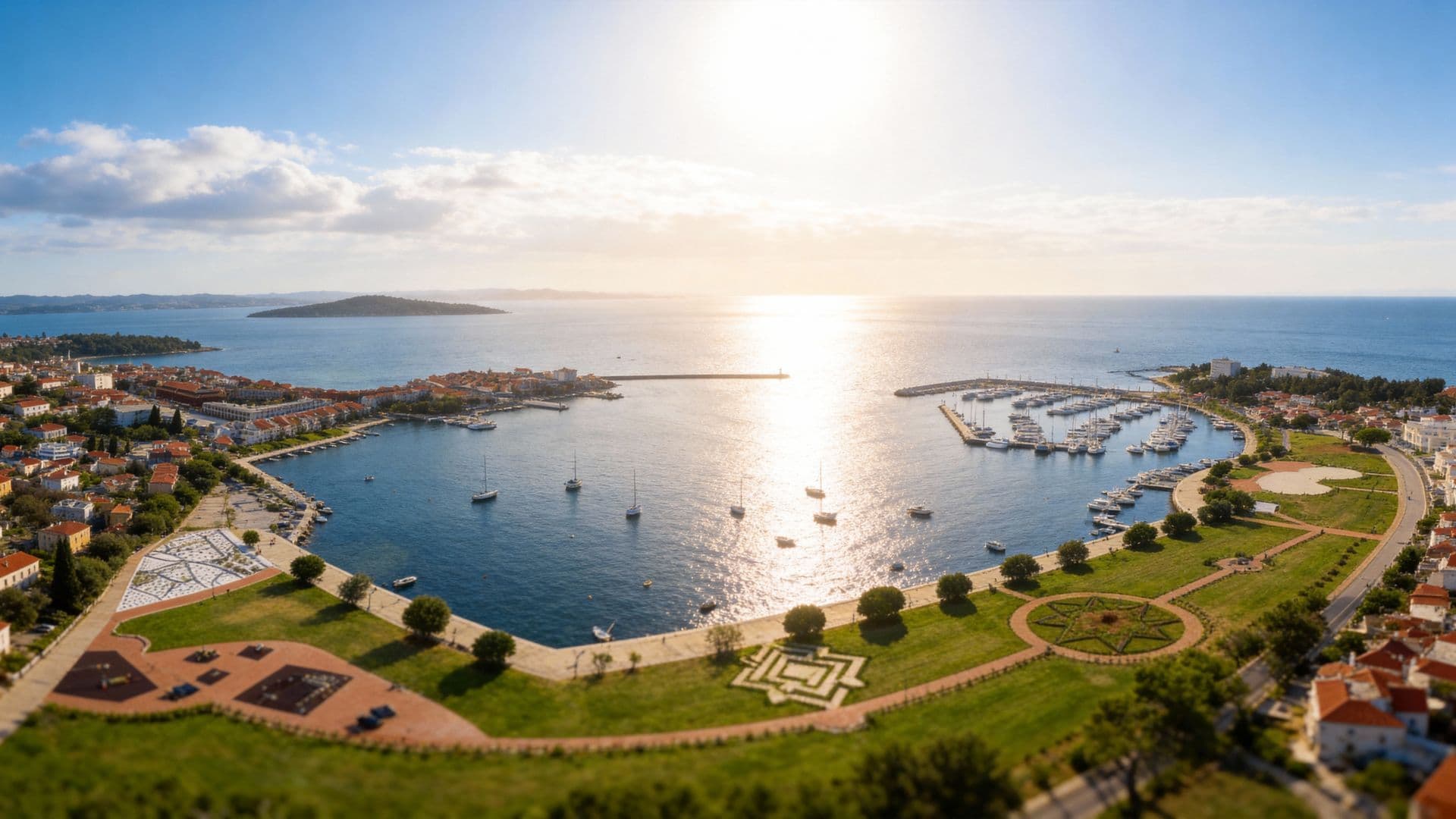
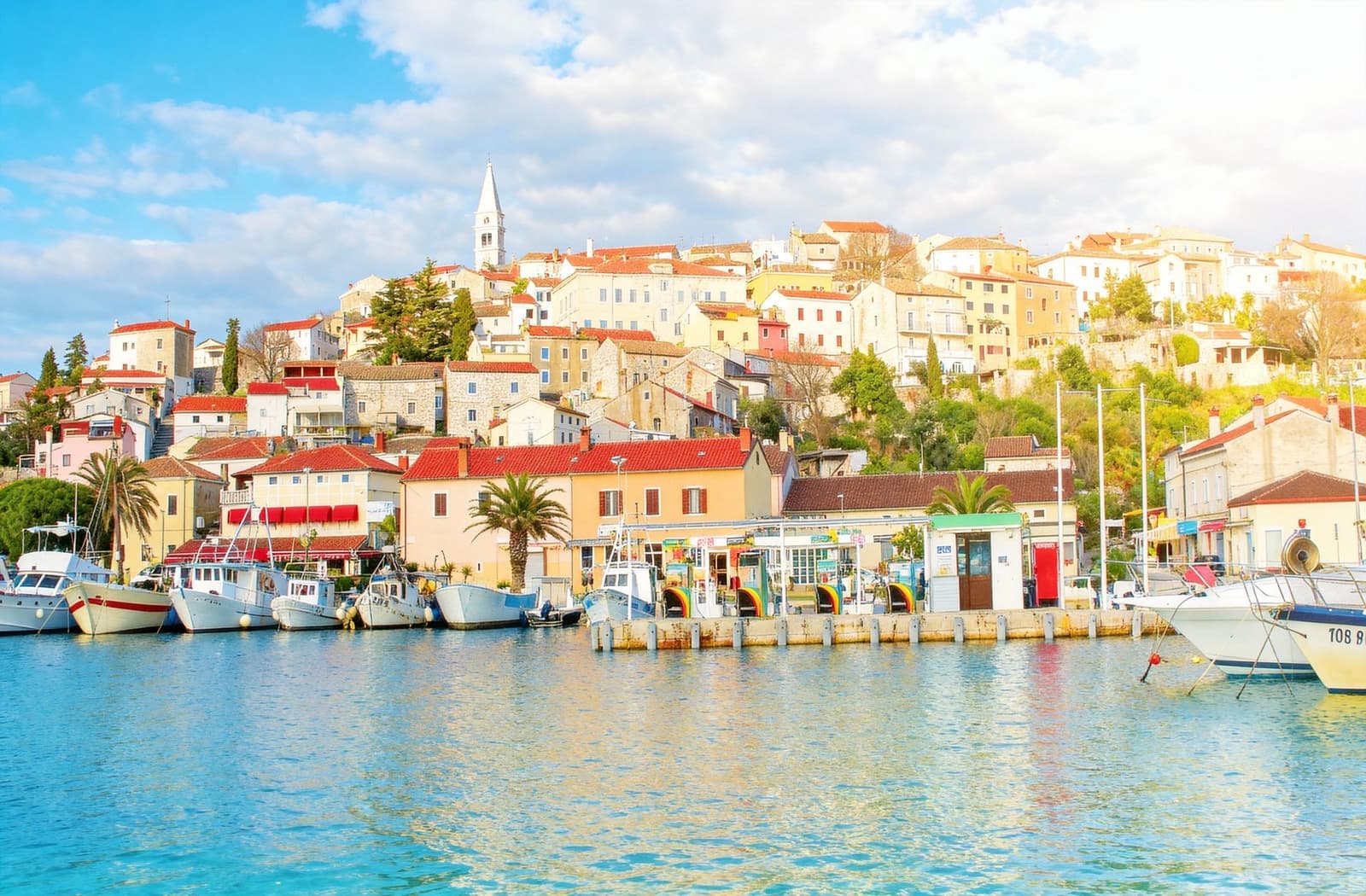
Vrsar is a coastal town in western Istria, situated between PoreÄŤ and the Lim Fjord. It attracts visitors looking for a quieter base than nearby Rovinj, offering a historic hilltop old town, a large marina, and an archipelago of 18 uninhabited islets just offshore. The destination caters primarily to couples seeking relaxed coastal walks and families staying in the surrounding resorts and campsites.

The terrain is hilly, requiring a steep walk from the waterfront to the historic center. Most accommodation consists of private apartments, large resort complexes like Belvedere, and expansive camping grounds to the north and south. Summer is the primary season, with almost all hospitality businesses operating from late May to September and closing entirely during the winter.

At a glance

Best months
June to September
Sea temp in August
25°C to 27°C
Nearest airport
Pula Airport (PUY), 52 km
Main beach type
Pebble bays and paved plateaus
Price level
Average for Istria, cheaper than Rovinj
Old town walkability
Mostly car-free, very steep but walkable
Where to stay in Vrsar

Old Town (Historic Center)

The medieval hilltop center features narrow cobblestone streets, viewpoints, and the Church of St. Martin. It involves steep walking, making it less suitable for visitors with limited mobility.

Best for:
Couples and history enthusiasts
Parking:
Restricted access; use paid lots at the bottom of the hill
Beach:
10 to 15 minutes walking downhill to City Beach

Marina & Waterfront

The flat coastal strip along Obala Maršala Tita is the commercial hub. It offers easy access to bakeries, restaurants, and boat tours without the steep inclines of the old town.

Best for:
Boaters, families, and those who prefer flat terrain
Parking:
Large paid parking lots near the bus station and harbor
Beach:
5 to 10 minutes walking to Montraker or City Beach

Petalon & Belvedere

Located just south of the main town, these purpose-built resort peninsulas offer structured facilities, swimming pools, and sports courts. The walk to the Vrsar waterfront takes about 10 to 15 minutes along a shaded coastal path.

Best for:
Resort vacationers and families
Parking:
Dedicated private parking for resort guests
Beach:
On-site rocky and pebble beaches

Brođanka & Saline

This residential neighborhood sits slightly inland and north of the marina. It consists almost entirely of private apartments and guesthouses, offering a quiet environment just a short walk from the center.

Best for:
Budget-conscious travelers and self-caterers
Parking:
Usually included with private apartment rentals
Beach:
10 to 20 minutes walking to Valkanela or City Beach

Getting to Vrsar

Munich

By car: 520 km, 5.5 to 6.5 hours via A8, A10 (Tauern), Karawanken tunnel, and Slovenia. Austrian vignette, Tauern/Karawanken tolls, Slovenian vignette, and Croatian tolls apply.

Other options: Lufthansa flights to Pula (PUY) or long-distance bus to Rovinj.

Vienna

By car: 510 km, 5.5 to 6 hours via A2 (Graz), Maribor, and Ljubljana. Austrian vignette, Slovenian vignette, and Croatian tolls apply.

Other options: Direct flights to Pula (Austrian Airlines/Ryanair) or long-distance bus.

Budapest

By car: 600 km, 6 to 6.5 hours via M7 to the border, then Croatian A4, A1, A6, and Istrian Y (A8/A9). Hungarian e-vignette and Croatian tolls apply.

Other options: Long-distance bus to Rovinj or Pula, connecting to Vrsar.

Ljubljana

By car: 130 km, 1.5 to 2 hours via A1 to Koper, border crossing Dragonja, and Croatian A9. Slovenian vignette and Croatian tolls apply.

Other options: Direct seasonal bus or private shuttle transfer.

Prague

By car: 830 km, 9 to 10 hours via Linz, Graz, Maribor, and Ljubljana. Czech, Austrian, and Slovenian vignettes, plus Croatian tolls apply.

Other options: Flights to Pula (Smartwings/Ryanair) or train to Rijeka followed by bus.

KrakĂłw

By car: 1,050 km, 10.5 to 11.5 hours via A4, Czechia (D1), Vienna, Graz, and Slovenia. Tolls/vignettes required for Poland, Czechia, Austria, Slovenia, and Croatia.

Other options: Flights from KrakĂłw or Katowice to Pula, or long-distance bus.

When to go

June to September is the standard season for visiting Vrsar, with August bringing the highest crowds and peak accommodation prices. Sea temperatures reach 25°C to 27°C by late July, making August ideal for swimming. May and October offer cooler weather (18°C to 22°C) suitable for cycling and sightseeing, though the sea is often too cold for swimming and some seasonal restaurants or resort facilities may be closed. From November to April, Vrsar largely shuts down; most hotels, campsites, and tourist-oriented restaurants close, and the town is exceptionally quiet with only basic amenities operating for locals.

Vrsar guides

Vrsar FAQ

Is Vrsar worth visiting?

Yes, Vrsar is a practical choice if you prefer a quieter coastal town over the busy centers of Rovinj or PoreÄŤ. It offers a historic hilltop old town, excellent cycling routes, and easy access to the Lim Fjord. However, those looking for major nightlife or extensive shopping should look elsewhere.

How many days do I need in Vrsar?

Three to five days is sufficient to explore the town, enjoy the beaches, and take a boat trip to the Lim Fjord. If you plan to use Vrsar as a base to visit Pula, Motovun, and Rovinj, a stay of seven days is common for most visitors driving from Central Europe.

What is the best beach in Vrsar?

City Beach (Gradska plaĹľa) is the most central and accessible option, featuring pebble bays and paved sunbathing areas. For families, Valkanela offers a long stretch of shallow water and sandy patches, while Montraker is known for its rocky slabs and views of the old town.

Do I need a car in Vrsar?

You do not need a car for getting around Vrsar itself, as the town, marina, and main beaches are easily walkable. However, having a car is highly recommended if you want to explore the rest of Istria or travel from the nearest airport in Pula.

Where is the best place to park in Vrsar?

The main municipal parking lot is located near the bus station (Saline lot) at the bottom of the old town. Parking in the old town is severely restricted for non-residents, and visitors are expected to park near the marina or use private parking provided by their accommodation.

Is Vrsar good for families?

Yes, Vrsar is highly suitable for families, particularly those staying in the large resort complexes or campsites nearby. The area offers safe, well-equipped beaches, dedicated cycling paths, and a relaxed atmosphere without the heavy crowds of larger Istrian cities.

Explore Nearby

More destinations in Istria

Check Availability for Your Chosen Location

If you've already decided which area suits you, check availability below.

Find accommodation

Vrsar

Powered by Booking.com