01Introduction to Lošinj Costs
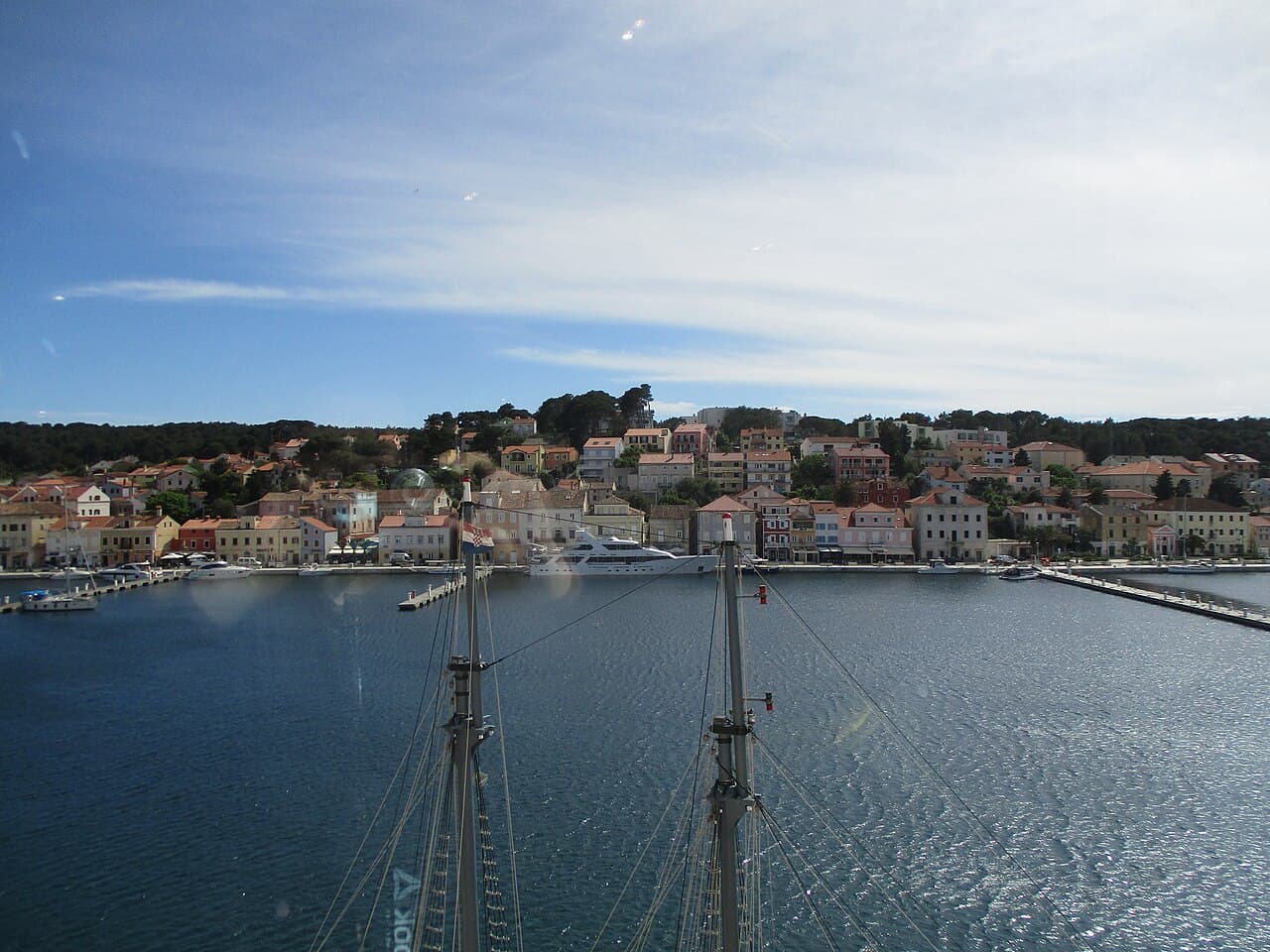
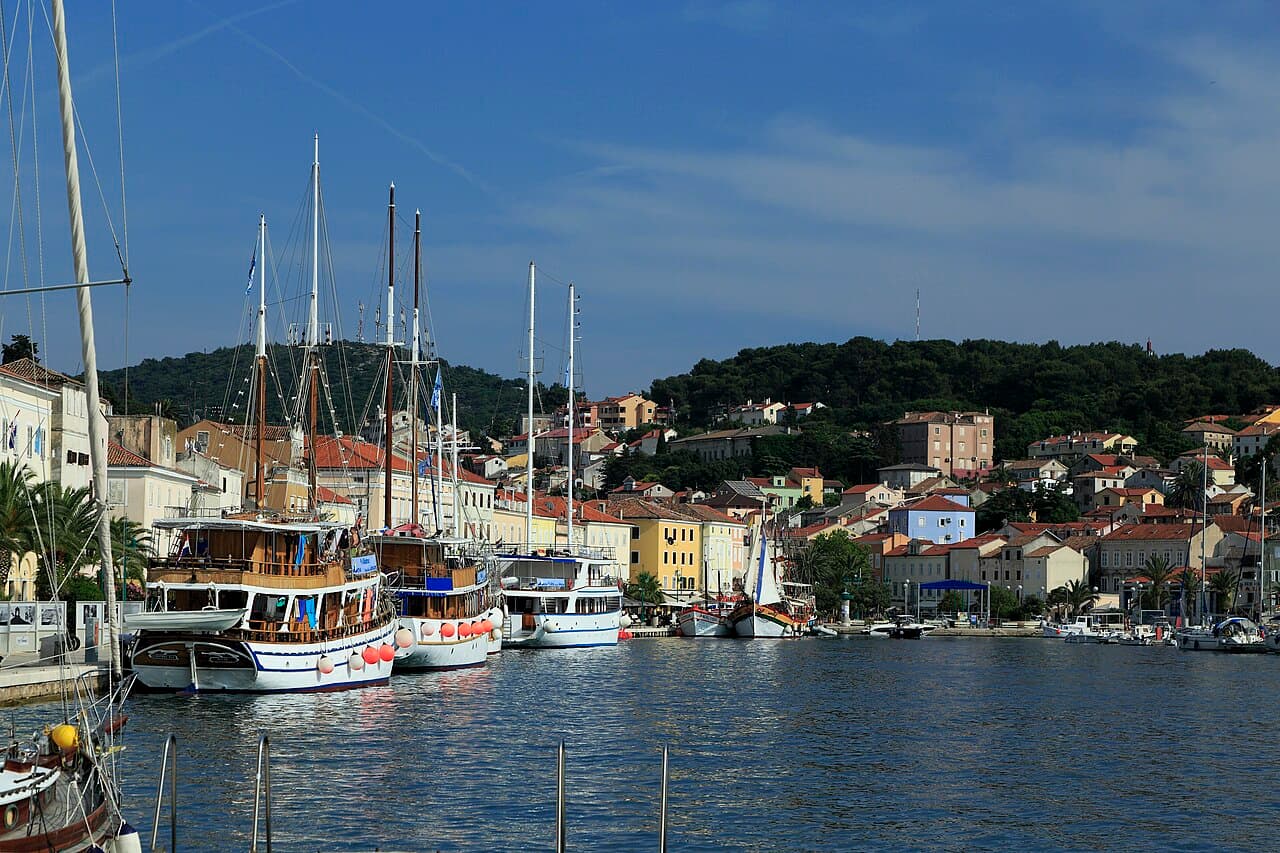
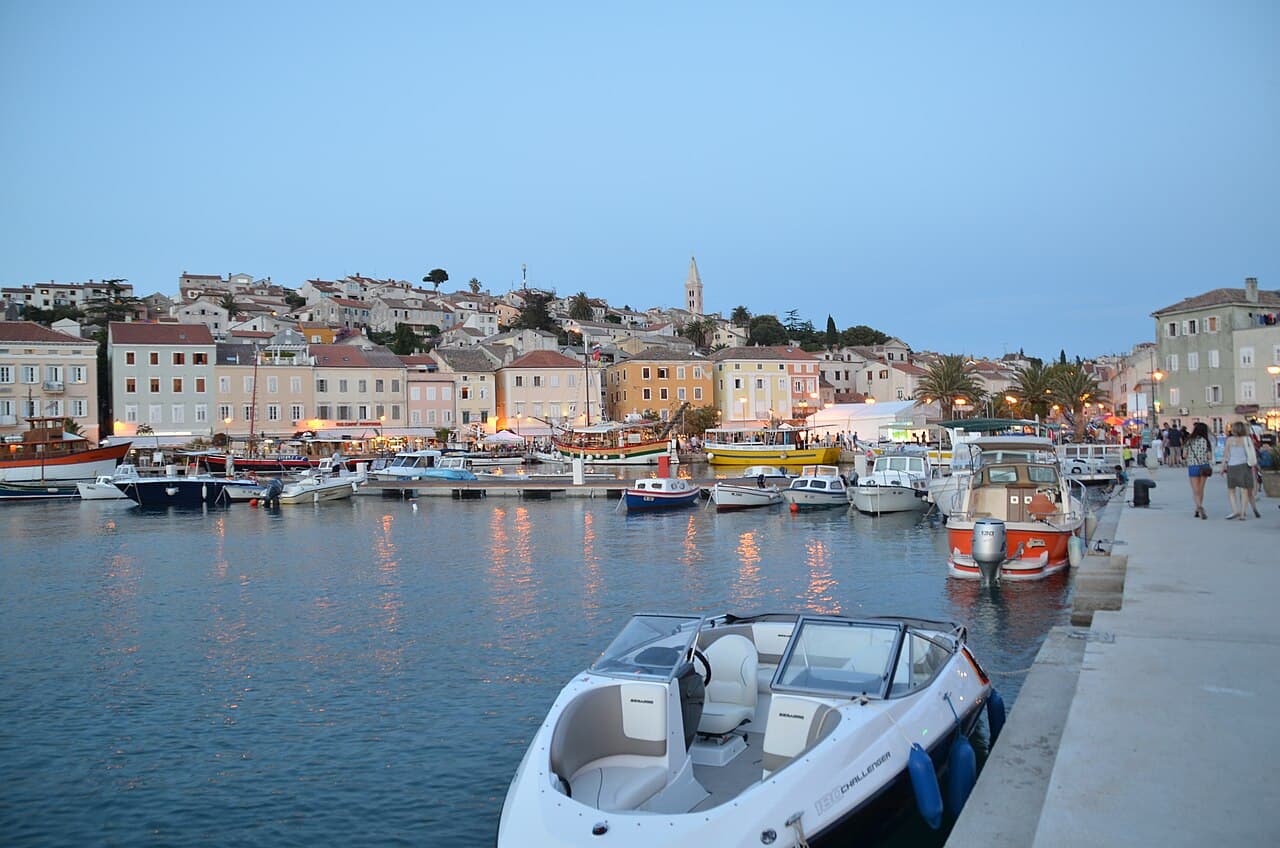
Lošinj is an island located in the Kvarner Gulf of the northern Adriatic Sea in Croatia. It is connected to the neighboring island of Cres by a small bridge in the historic town of Osor. Planning a trip to Lošinj requires budgeting for specific regional logistics, including ferry crossings, island accommodation premiums, and seasonal price fluctuations. Croatia adopted the euro on January 1, 2023, and all transactions on the island are conducted in this currency. The peak tourist season runs from July through August, during which prices for hotels, scooter rentals, and boat excursions reach their highest points. Shoulder seasons, particularly May, June, and September, offer lower rates and milder weather, making them optimal for cost-conscious travelers.
02Getting to Lošinj: Ferries, Catamarans, and Tolls
Driving and Highway Tolls
Travelers driving from central Europe or the Croatian capital of Zagreb must factor in highway tolls. The toll on the A1 and A6 motorways from Zagreb to the coastal city of Rijeka is around €10 for a standard passenger car. Tolls can be paid at the booths using cash, credit cards, or the electronic ENC transponder system. From Rijeka, drivers proceed either to the Brestova ferry port on the Istrian peninsula or the Valbiska ferry port on the island of Krk. The drive from Rijeka to Brestova takes approximately one hour and covers 50 kilometers of coastal roads without additional tolls. Reaching Valbiska requires crossing the Krk Bridge, which no longer charges a toll for passenger vehicles.
Car Ferry Routes and Prices
The primary ferry operator connecting the mainland to the Cres-Lošinj archipelago is Jadrolinija. Vehicles must cross to the island of Cres and drive south to reach Lošinj. The two main car ferry routes are Brestova to Porozina and Valbiska to Merag. Both routes cost approximately €29 one-way for a standard vehicle under five meters in length and two adult passengers. The crossing takes 20 minutes from Brestova and 25 minutes from Valbiska. Tickets can be purchased online or at the port, but boarding operates on a first-come, first-served basis regardless of advance booking. During the peak months of July and August, wait times at the port can exceed two hours. Skip bringing a car on the ferry unless you specifically need it for a larger group or extensive luggage. A scooter rental is far more practical for navigating the island's narrow roads.
Passenger Catamaran Options
For those traveling without a vehicle, passenger catamarans offer a direct route to Mali Lošinj, bypassing the drive across Cres. Jadrolinija operates a daily catamaran from Rijeka to Mali Lošinj. The journey takes approximately three hours and 40 minutes, stopping at Cres and Martinšćica along the way. The ticket price is €11.50 per person each way. Another operator, Kapetan Luka, runs a high-speed catamaran route from Zadar to Mali Lošinj, costing €13.27 per passenger. In the summer, Kapetan Luka also connects Pula to Mali Lošinj for the same price. Catamaran tickets frequently sell out in the summer, making advance online booking strictly necessary.
Airport Transfers
Lošinj Airport is a small facility accommodating private flights and limited regional charters. Most international travelers fly into Rijeka Airport (located on the island of Krk), Pula Airport, or Zagreb Airport. A direct bus from Zagreb Airport to Rijeka costs €15 to €20. From Rijeka Airport, an airport shuttle bus to the Rijeka ferry terminal costs €8.00. Private taxi transfers from Rijeka Airport directly to the Valbiska ferry port cost around €40 to €50.
03Accommodation Prices Across the Island
Budget Stays and Camping
Budget travelers can find private rooms and basic apartments for €60 to €80 per night during the shoulder season. In July and August, these same units often start at €100 per night. Camping is a popular budget alternative. Camping Čikat is the largest campsite on the island, located close to Mali Lošinj. An unparceled pitch for a tent costs between €25 and €40 per night, depending on the month, while fully equipped mobile homes range from €80 in the low season to over €150 in the summer.
Mid-Range Hotels and Apartments
A standard 3-star hotel or a well-equipped vacation rental in Mali Lošinj or Veli Lošinj averages €120 to €160 per night. Properties in this tier generally include air conditioning, free Wi-Fi, and proximity to the main harbors. Apartments located in smaller villages like Nerezine or Sveti Jakov are slightly cheaper, averaging €100 to €130 per night, but require independent transport to reach the main island attractions.
Luxury and Wellness Resorts
Lošinj has established itself as a top destination for luxury wellness tourism. Five-star properties located in Čikat Bay, such as Hotel Bellevue and Boutique Hotel Alhambra, command prices from €240 to over €500 per night. These rates often include access to extensive spa facilities, private beach areas, and premium breakfast buffets. Vitality Hotel Punta, located in Veli Lošinj, offers 4-star wellness accommodations ranging from €180 to €250 per night, catering specifically to fitness and health-focused travelers.
Mandatory Tourist Tax
Croatia legally mandates a tourist tax (Boravišna Pristojba) for all overnight visitors. In the Primorje-Gorski Kotar County, which includes Lošinj, this fee is approximately €1.50 to €2.00 per adult per night. Children aged 12 to 18 pay a 50% reduced rate, and children under 12 are exempt. This tax is usually collected at the hotel reception or by the apartment host upon check-in and is rarely included in the initial booking platform price.
04Dining and Food Expenses
Supermarket and Grocery Costs
Self-catering is the most effective way to reduce food costs. Mali Lošinj hosts several major Croatian supermarket chains, including Konzum, Plodine, and Lidl. Standard grocery prices align with mainland Croatia: a 1-liter bottle of milk costs €1.20, a dozen eggs cost €3.00, and a loaf of fresh bread is €1.50. Local cheeses from the nearby island of Pag cost between €15 and €25 per kilogram. The local fish market in Mali Lošinj operates daily in the morning. Fresh sardines cost €4 to €6 per kilogram, while premium white fish like sea bass (brancin) or sea bream (orada) cost €15 to €25 per kilogram.
Bakeries, Cafes, and Breakfast
Croatian bakery (pekara) chains like Mlinar offer inexpensive breakfast options. A traditional cheese or meat burek costs €2.50 to €3.50, and sweet pastries run €1.00 to €2.00. Coffee culture is prominent in Lošinj. An espresso at a harbor-front cafe costs €2.00, while a cappuccino or caffe latte costs €2.50 to €3.50. Freshly squeezed orange juice, a common cafe staple, is priced around €4.00 to €5.00.
Casual Dining and Pizzerias
Casual eateries and pizzerias offer reliable mid-range dining. A standard Margherita pizza costs €9 to €11, while specialty pizzas with local prosciutto and olives cost €12 to €15. At popular spots like Pizzeria-Restaurant Papa Bepi, two main courses, a bottle of mineral water, and a side salad total approximately €35 to €40. Pasta dishes, such as traditional fuži with truffles or seafood spaghetti, range from €14 to €18.
Traditional Taverns and Fine Dining
Traditional Croatian taverns, known as konobas, focus on grilled meats and fresh seafood. Expect to pay €18 to €25 for a main course of grilled squid (lignje) with a side of Swiss chard and potatoes (blitva). High-end seafood is often priced by weight, typically €50 to €70 per kilogram. A standard portion is 400 grams, bringing the cost of a single fish dish to €20 to €28. A bottle of local white wine, such as Malvazija from Istria or Žlahtina from the nearby island of Krk, costs €25 to €35 in a restaurant.
Tipping Customs
Tipping in Croatia is appreciated but not mandatory. In cafes, it is customary to round up the bill (e.g., leaving €3.00 for a €2.60 coffee). In restaurants, a tip of 5% to 10% is standard for good service. The tip should be left in cash, as many point-of-sale terminals in Croatia cannot process gratuities on credit cards.
05Transportation on the Island
Scooter and Bicycle Rentals
Renting a scooter is the most efficient method for exploring the island's coves and viewpoints. Rental agencies in Mali Lošinj charge €45 to €50 for a standard 50cc scooter for a 24-hour period. A 125cc scooter, requiring a valid A1 motorcycle license, costs €55 per day. Prices drop by €5 to €10 per day during the off-season. Bicycle rentals are also widely available. A standard mountain bike costs €15 to €20 per day, while electric bikes (e-bikes) run €30 to €40 per day, making it easier to handle the island's steep inclines.
Local Buses
Autotrans (Arriva) operates the local bus service on the island. The most frequent route connects Mali Lošinj to Veli Lošinj, a distance of about four kilometers. A single ticket costs €2.50. Buses also run north to Nerezine and Osor, costing €3.00 to €4.00 for a one-way ticket. Tickets can be purchased directly from the driver using cash.
Parking Fees and Regulations
Parking in Mali Lošinj is strictly regulated, especially during the summer. Paid public lots located near the main harbor charge €1.50 to €2.00 per hour from June through September. Daily maximum rates at these lots are capped at €15 to €20. Many private apartments provide free parking, but visitors staying in the pedestrian-only zones of Veli Lošinj must leave their vehicles in the municipal lot at the town entrance, which costs €10 per day.
06Attractions, Museums, and Activities
The Museum of Apoxyomenos
The primary cultural attraction in Mali Lošinj is the Museum of Apoxyomenos, dedicated entirely to a single ancient Greek bronze statue discovered off the coast of the island. The standard adult entry ticket costs €10 to €15, varying slightly by season. The museum operates daily, with hours shifting from 9:00 AM - 5:00 PM in the winter to 10:00 AM - 6:00 PM in the spring and summer. Guided tours for groups of 10 or more require advance booking.
Lošinj Aromatic Garden
The Lošinj Aromatic Garden (Miomirisni otočki vrt) showcases over 250 species of wild herbs and plants native to the Cres-Lošinj archipelago. The entrance fee is €4.00 per adult. Visitors can purchase local products such as lavender oil, sea salt, and herbal liqueurs, which cost between €5 and €20 depending on the item.
Boat Rentals and Charters
Renting a small motorboat is a common way to reach secluded beaches on the western coast. A basic 5HP motorboat costs €100 to €150 per day, excluding fuel. Croatian maritime law requires a basic boat license even for small engines, and rental agencies strictly enforce this rule. Full-day private speedboat charters with a skipper start at €350 and can exceed €600, depending on the boat size and itinerary.
Scuba Diving and Water Sports
The clear waters around Lošinj offer excellent visibility for scuba diving. A "Discover Scuba" introductory dive for beginners costs €70 to €90, including equipment rental and an instructor. For certified divers, a single boat dive costs €40 to €50, plus an additional €20 for full equipment rental. A full Open Water Diver certification course takes three to four days and costs approximately €350 to €400.
Day Trips to Susak and Ilovik
Visiting the neighboring car-free islands is a highly recommended day trip. The Jadrolinija passenger ferry line 310 runs from Mali Lošinj to the sandy island of Susak. The journey takes 35 minutes on the fast catamaran or up to two hours on the standard passenger ship. Tickets cost €2.50 to €5.00 each way. Another route connects Mali Lošinj to the island of Ilovik, known for its extensive flower gardens. The passenger ferry to Ilovik costs €3.00 to €6.00 each way.
07Wellness and Spa Costs
History as a Climate Resort
In 1892, the Austro-Hungarian government officially declared Mali Lošinj and Veli Lošinj as climate health resorts due to the specific combination of pine forests, sea aerosols, and mild temperatures. Today, the island maintains this heritage through its "Island of Vitality" branding.
Spa Treatments and Massages
Visitors not staying at luxury hotels can still book day passes or individual treatments at hotel spas. A 60-minute therapeutic massage at a facility like the Vitality Hotel Punta or Hotel Aurora costs €60 to €90. Day passes granting access to heated seawater pools, saunas, and relaxation zones cost €30 to €50 per person, though availability for non-guests is often restricted during peak occupancy in July and August.
08Daily Budget Scenarios
Budget Traveler (€80 - €100 per day)
A budget traveler can manage on €80 to €100 per day by staying in a hostel, a basic private room, or a campsite (€40). Meals consist of bakery items for breakfast, a slice of pizza for lunch, and cooking a supermarket-bought dinner (€25). Transportation relies on walking or local buses (€5). Activities are limited to free beaches, hiking the Osoršćica ridge, and a €10 entry to the Apoxyomenos Museum.
Mid-Range Traveler (€140 - €180 per day)
A mid-range traveler should expect to spend €140 to €180 per day. This budget includes splitting the cost of a €140 per night 3-star hotel room (€70 per person). Dining includes a cafe breakfast, a casual lunch, and a sit-down dinner at a konoba with a glass of wine (€50). Transportation involves splitting a €50 scooter rental (€25 per person). The remaining €15 to €35 covers museum entries, day trip ferry tickets, and beach chair rentals.
Luxury Traveler (€350+ per day)
Luxury travelers staying in 5-star accommodations in Čikat Bay will spend €350 or more per day. A premium sea-view room costs €250+ per person (based on double occupancy). Fine dining at upscale hotel restaurants or premium seafood taverns will cost €80 to €120 per day. Additional expenses include private airport transfers, chartered speedboat tours, and daily spa treatments, easily pushing the daily total past €500 during the peak summer season.