Makarska vs. Dubrovnik 2026: Choosing Your Perfect Croatian Escape
Croatia, with its dazzling Adriatic coastline, historic towns, and vibrant culture, has firmly established itself as a top European destination. For many, the choice between its iconic cities can be a delightful dilemma. Two names frequently come up in conversation: the world-renowned Dubrovnik and the charming coastal gem, Makarska. This 2026 guide brings together insights from hundreds of traveler reviews, official Croatian tourism sources, and local data on Makarska to help you plan with confidence.
While Dubrovnik casts a long, magnificent shadow with its ancient walls and UNESCO status, Makarska offers a distinctly different, yet equally rewarding, Croatian experience. Understanding your priorities – be it budget, relaxation, historical immersion, or outdoor adventure – is key to deciding which destination will truly capture your heart.
01Dubrovnik's Enduring Allure: The Pearl of the Adriatic
Dubrovnik, often dubbed the 'Pearl of the Adriatic,' is undeniably stunning. Its meticulously preserved medieval Old Town, encircled by formidable stone walls, tells tales of centuries past. Walking the Stradun, exploring ancient monasteries, or taking a cable car up Mount Srđ for panoramic views are experiences that remain etched in memory. For fans of epic sagas, its role as King's Landing in Game of Thrones has only amplified its global appeal.
However, this immense popularity comes at a cost, both literally and figuratively. During peak season (June to September), the Old Town can become incredibly congested, especially on days when multiple cruise ships dock. Navigating the narrow streets amidst throngs of tourists can detract from the magic. While Dubrovnik's global fame has undoubtedly put Croatia on the map, it's also created a paradox: the sheer volume of visitors, particularly during peak season, means that the 'authentic' experience many seek often feels like a carefully curated theme park. Prices for accommodation, dining, and activities within the Old Town are among the highest in Croatia, making it a significant investment for budget-conscious travelers.
02Makarska's Charms: A Riviera for the Soul
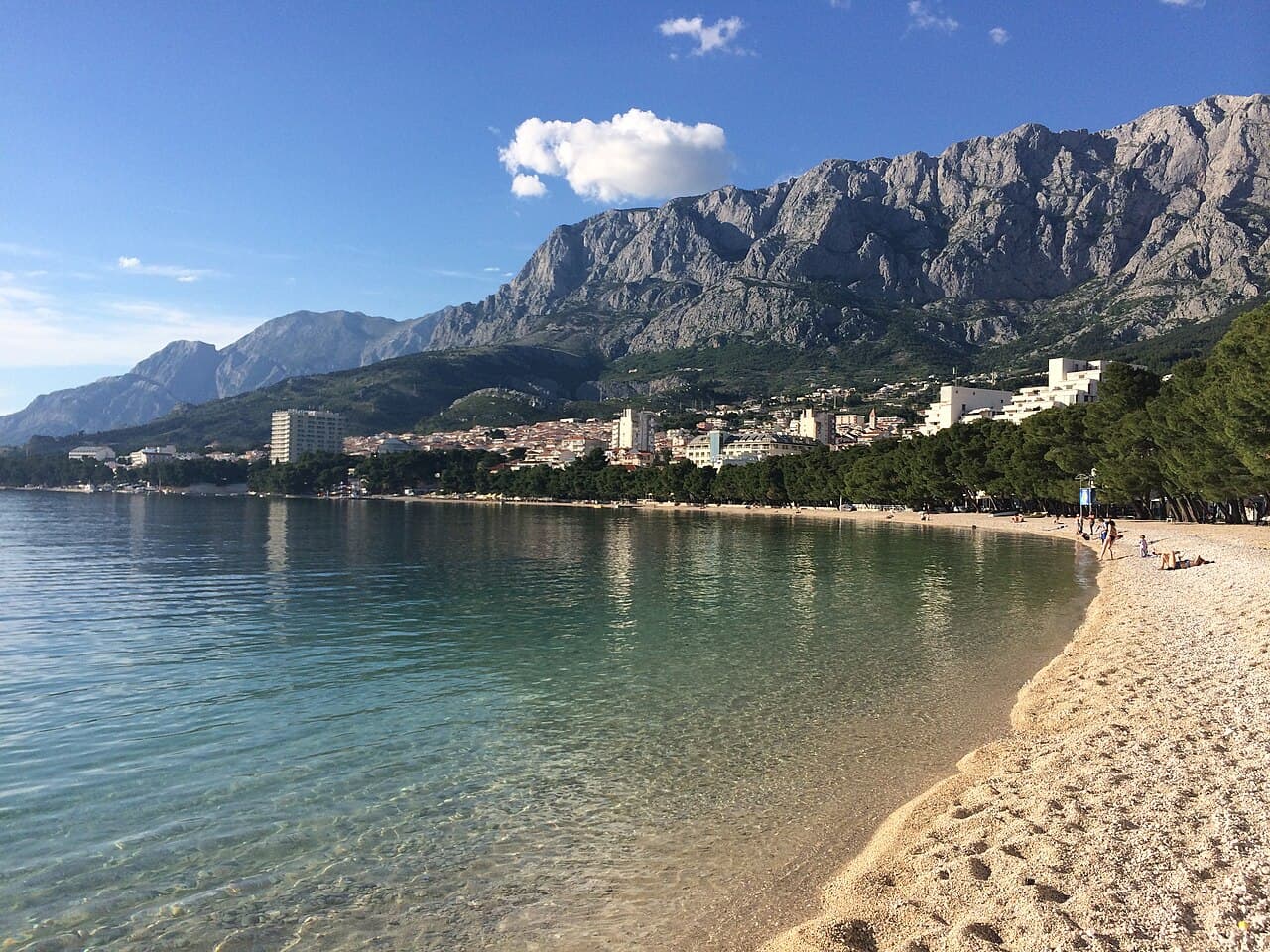
located between the majestic Biokovo mountain range and the sparkling Adriatic Sea, Makarska presents a vibrant contrast to Dubrovnik's grandeur. It's the heart of the Makarska Riviera, a 60-kilometer stretch renowned for its stunning pebble beaches, crystal-clear waters, and lush Mediterranean vegetation. Makarska itself is a lively port town, blending a traditional Croatian pace with modern tourist amenities.
Here, life revolves around the beautiful promenade, lined with palm trees, cafés, and restaurants. The towering presence of Biokovo, Croatia's second-highest mountain range, offers a dramatic backdrop and incredible opportunities for hiking and nature exploration. Makarska exudes a more relaxed, family-friendly atmosphere, where genuine local interactions are still common, and the pace of life feels less rushed. It’s a place where you can truly unwind, enjoy the natural beauty, and experience Croatian life without the constant buzz of international crowds.
03Makarska vs. Dubrovnik: A Head-to-Head Comparison
To help you make an informed decision, let's break down the comparison across several key categories:
Cost of Travel & Living
One of the most significant differences between Makarska and Dubrovnik is the cost. Makarska consistently offers better value for money across almost all categories.
- Accommodation
- In Makarska, you can find comfortable apartments or 3-star hotels for €80-€150 per night during the summer. Luxury options might reach €200-€300. In Dubrovnik, particularly within or near the Old Town, comparable accommodation can start from €180 and easily exceed €350 per night, with budget options being scarce and often requiring a significant compromise on location or quality.
- Dining
- A delicious meal at a local 'konoba' (traditional tavern) in Makarska might cost you €15-€25 per person, while a pizza can be found for €8-€12. In Dubrovnik's Old Town, expect to pay €25-€50 for a main course, and even a simple pizza can be €15-€20. A coffee in Makarska is typically €2.00-€3.00, whereas in Dubrovnik, it's often €3.50-€5.00.
- Activities & Excursions
- While both offer similar types of excursions (boat trips, national parks), the base prices for local activities in Makarska tend to be lower.
Crowd Levels & Atmosphere
This is where Makarska truly shines for those seeking tranquility.
- Makarska
- While popular, Makarska's crowds are primarily domestic and regional tourists, creating a lively but manageable atmosphere. Even during peak season, its extensive promenade and long beaches absorb visitors well, preventing the feeling of being overwhelmed. The town has a genuine, lived-in feel.
- Dubrovnik
- The Old Town can be suffocatingly crowded. Cruise ship arrivals can swell the population by thousands, making movement difficult and reducing the enjoyment of its historical sites. If you visit in the shoulder seasons (April-May or October), the crowds are significantly reduced, but peak summer remains intense.
Beaches & Natural Beauty
For beach enthusiasts, Makarska is the clear winner.
- Makarska
- The Makarska Riviera boasts some of Croatia's most beautiful pebble beaches, famous for their pristine turquoise waters. Makarska's main beach stretches for kilometers, offering ample space, shade from pine trees, and numerous amenities. Beyond the main town, secluded coves like Nugal Beach (often listed among Europe's best nude beaches) and the charming fishing village beaches of Brela and Baška Voda are easily accessible. The dramatic backdrop of Biokovo Mountain adds a unique dimension to the coastal scenery.
- Dubrovnik
- Dubrovnik's city beaches, such as Banje Beach and Lapad Beach, are pleasant but smaller and often more crowded. While beautiful, they don't offer the vast stretches of pristine coastline found in Makarska. Its natural beauty is more about the interplay of ancient architecture with the sea rather than expansive natural beaches.
Historical & Cultural Experience
Dubrovnik is exceptional for its historical depth.
- Dubrovnik
- Walking the City Walls (€35 entrance fee, approx.) is a journey through time. The Rector's Palace, Sponza Palace, Dubrovnik Cathedral, and numerous museums offer a deep dive into the city's rich past as an independent maritime republic. Every stone tells a story. St. Blaise's Church, built in 1715, is an architectural marvel.
- Makarska
- Makarska has its own share of history, including a charming Old Town area with the St. Mark's Cathedral and the Franciscan Monastery, which houses a unique Malacological Museum (shell museum). While historically significant, it doesn't compare to the grand scale and historical preservation of Dubrovnik's UNESCO World Heritage site.
Activities & Excursions
Both offer a variety, but with different focuses.
- Makarska
- Strong focus on outdoor and water activities. Hiking and cycling in Biokovo Nature Park (don't miss the Biokovo Skywalk, entrance fee approx. €10-€15), water sports (jet-skiing, paddleboarding, diving), boat trips to nearby islands like Brač and Hvar, and rafting on the Cetina River are popular. The Promajna beach, just 6 km away, is a local favorite.
- Dubrovnik
- Emphasis on historical tours, island hopping to Lokrum (short ferry ride, €27 return for adults) or the Elafiti Islands, cable car rides, and enjoying the city's sophisticated cultural scene. Game of Thrones tours are a major draw. Many tourists enjoy walking the famous Stradun, visiting the Onofrio's Fountain, and exploring the side streets.
Accessibility & Logistics
Consider how you'll arrive and get around.
- Makarska
- Closest international airport is Split (SPU), approximately 85 km away. From Split, Makarska is easily reached by bus (approx. €10-€15, 1.5 hours) or car. It serves as an excellent base for exploring the central Dalmatian coast and islands. Public transport within Makarska is good, and it's walkable.
- Dubrovnik
- Has its own international airport (DBV), 20 km from the city center. While convenient, transport to the Old Town (bus €7-€10, taxi €35-€45) can add up. Getting to other parts of Croatia requires longer bus or ferry journeys. A bus from Split to Dubrovnik takes about 4 hours and costs €20-€30.
Food Scene
Both offer delicious Croatian cuisine, with regional nuances.
- Makarska
- Focuses on fresh, local seafood and traditional Dalmatian dishes in a more relaxed, authentic setting. You'll find excellent value at family-run 'konobas' serving 'peka' (meat/octopus slow-cooked under a bell) and grilled fish. The local market offers fresh produce daily.
- Dubrovnik
- Offers a more diverse range of dining, from high-end gourmet restaurants to casual eateries, often with stunning views. However, prices are significantly higher, especially within the Old Town. Many establishments cater heavily to tourists.
Nightlife
- Makarska
- Features a lively promenade with numerous bars, beach clubs, and a few discotheques, offering a fun, energetic, but generally less sophisticated nightlife scene. Nightlife is typically centered around the main strip and beaches.
- Dubrovnik
- Offers a more refined nightlife with stylish cocktail bars, wine bars, and some upscale clubs, especially within the Old Town or overlooking the sea. It caters to a more international and mature crowd.
04When Makarska Shines Brightest
Makarska is the undisputed champion for:
- Budget Travelers
- Get more for your money on accommodation, food, and activities.
- Families with Children
- Safer, more spacious beaches, a relaxed atmosphere, and plenty of child-friendly activities without the intense crowds.
- Beach Lovers
- Endless stretches of beautiful pebble beaches and secluded coves.
- Active Travelers & Nature Enthusiasts
- Immediate access to hiking, cycling, and adventure sports in Biokovo Nature Park.
- Authenticity Seekers
- A more genuine Croatian experience, less geared towards mass tourism.
- Road Trippers & Base Campers
- An ideal central location for exploring the central Dalmatian coast and islands.
05When Dubrovnik Is Unbeatable
Dubrovnik is the perfect choice for:
- History Buffs & Culture Vultures
- exceptional historical sites, ancient architecture, and rich cultural heritage.
- Luxury Travelers
- High-end hotels, gourmet dining, and exclusive experiences.
- First-Time Croatia Visitors
- If seeing the iconic City Walls is a non-negotiable bucket list item.
- Cruise Ship Passengers
- Often a primary port of call, ideal for short, impactful visits.
- Romantic Getaways
- The sheer beauty of the Old Town can be incredibly romantic, especially in the shoulder seasons.
For those who prioritize genuine local interactions and unfettered access to pristine nature over checking off world-famous landmarks, Makarska offers a richness that, in my opinion, far surpasses the often-overwhelmed charm of its more celebrated southern counterpart. It's about deciding whether you want to witness history or live the present moment by the sea.
06Local Insider Tips for Makarska & Dubrovnik (2026)
Makarska Insider Tips:
- Best Time to Visit: For optimal weather and fewer crowds, aim for late May, early June, or September. The sea is warm, and the prices are slightly lower.
- Hidden Beach: While the main beach is great, seek out 'Nugal Beach' for a more secluded, pristine experience (accessible by foot or boat). Also, explore the small coves around Tučepi and Brela for quieter spots.
- Dine Like a Local: Venture slightly away from the main promenade for 'konobas' that offer better value and more authentic dishes. Try 'Konoba Kalalarga' in Makarska's old town for traditional Dalmatian food.
- Biokovo Skywalk: Go early in the morning to beat the heat and crowds, and enjoy clearer views. Check the weather; it can be significantly cooler and windier at altitude. Wear appropriate footwear.
- Market Fresh: Visit the local market near the harbor in the morning for fresh fruits, vegetables, olive oil, and local cheeses. It’s a great way to experience local life and save on snacks.
Dubrovnik Insider Tips:
- Off-Season Magic: If your schedule allows, visit in April, May, October, or November. The crowds are minimal, prices are lower, and the weather is still pleasant, allowing you to truly appreciate the Old Town's beauty.
- City Walls Strategy: Walk the walls either first thing in the morning (opening at 8 AM) or late in the afternoon (2 hours before closing) to avoid the midday sun and peak crowds from cruise ships.
- Eat Away from Stradun: For better value and quality, dine in the side streets off the main thoroughfare or in the Lapad or Gruž neighborhoods. 'Konoba Lokanda Peskarija' by the harbor offers great seafood in a lively atmosphere, though still touristy.
- Island Escape: Take the ferry to Lokrum Island for a peaceful escape. It's a nature reserve with botanical gardens, peacocks, and calm swimming spots – a perfect respite from the Old Town bustle.
- Dubrovnik Card: If you plan to visit multiple museums and attractions (like the City Walls), the Dubrovnik Pass (1, 3, or 7-day options) can offer significant savings and includes public transport.
07Conclusion
Choosing between Makarska and Dubrovnik in 2026 ultimately comes down to your personal travel style and priorities. If your dream Croatian vacation involves historic grandeur, iconic landmarks, and a more cosmopolitan (and expensive) experience, Dubrovnik is your destination. However, if you're seeking stunning natural beauty, expansive beaches, outdoor adventure, a relaxed family-friendly vibe, and significantly better value for money, then Makarska, with its genuine charm and dramatic Biokovo backdrop, is undoubtedly the superior choice. Both offer unforgettable experiences, but they cater to very different expectations of a perfect Adriatic getaway. Consider what truly enriches your travel experience, and you'll find your ideal Croatian haven.