01Where Is Novi Vinodolski and How Do You Get There?
Novi Vinodolski sits on the Kvarner Bay coast in Primorje-Gorski Kotar County, about 45 km south of Rijeka. The town has roughly 5,000 residents. It has been a tourist resort since the 19th century, along with Opatija and Crikvenica, and it still has the feel of an old Habsburg-era seaside town.
By car
Driving is the easiest option. From Rijeka the coastal road (D8) takes about 50 minutes. From Zagreb it is roughly 190 km, or about 2 hours 15 minutes via the A1 and A6 motorways. From Rijeka Airport on Krk it is about 45 minutes. A rental car also lets you reach the villages and wineries in the hills behind the town.
By bus
The coastal bus line between Rijeka, Crikvenica and Senj stops in Novi Vinodolski. Buses are frequent in summer and thin out in winter. The bus is fine for getting here, but a car is better for getting around the area.
Nearest airports
Rijeka Airport (RJK) is the closest. Zagreb (ZAG) is the main alternative, with good motorway links. Pula and Trieste are possible but add 1.5 to 2 hours of driving.
02How Many Days Do You Need?
Two days covers the old town, the castle and a beach afternoon. Three or four days adds a winery visit, a hike and a day trip. A week works if the plan is mostly beach time with a few excursions to Krk, Crikvenica or Plitvice.
03Best Things to Do in Novi Vinodolski
Walk the old town and Frankopan Castle
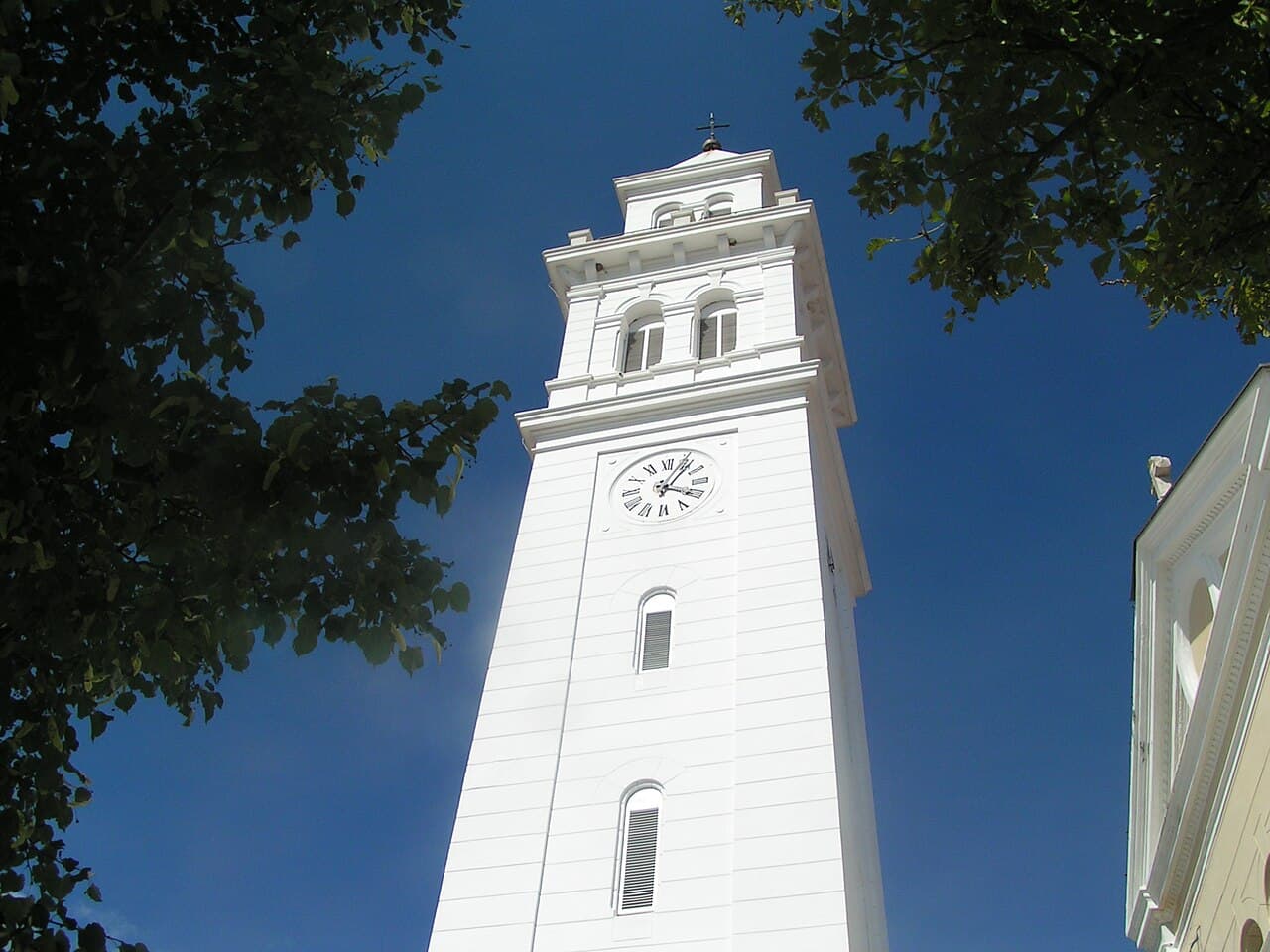
The old town is small and compact, with stone houses and narrow lanes climbing from the harbour. The main landmark is the Frankopan Castle with its Kvadrac Tower, first mentioned around 1288. The town is also linked to the Vinodol Law of 1288, one of the oldest legal documents written in Croatian. The bell tower of the parish church stands about 36 m high and marks the centre of the medieval quarter. Allow 60 to 90 minutes for the whole old town including the castle.
Swim at Lišanj Beach
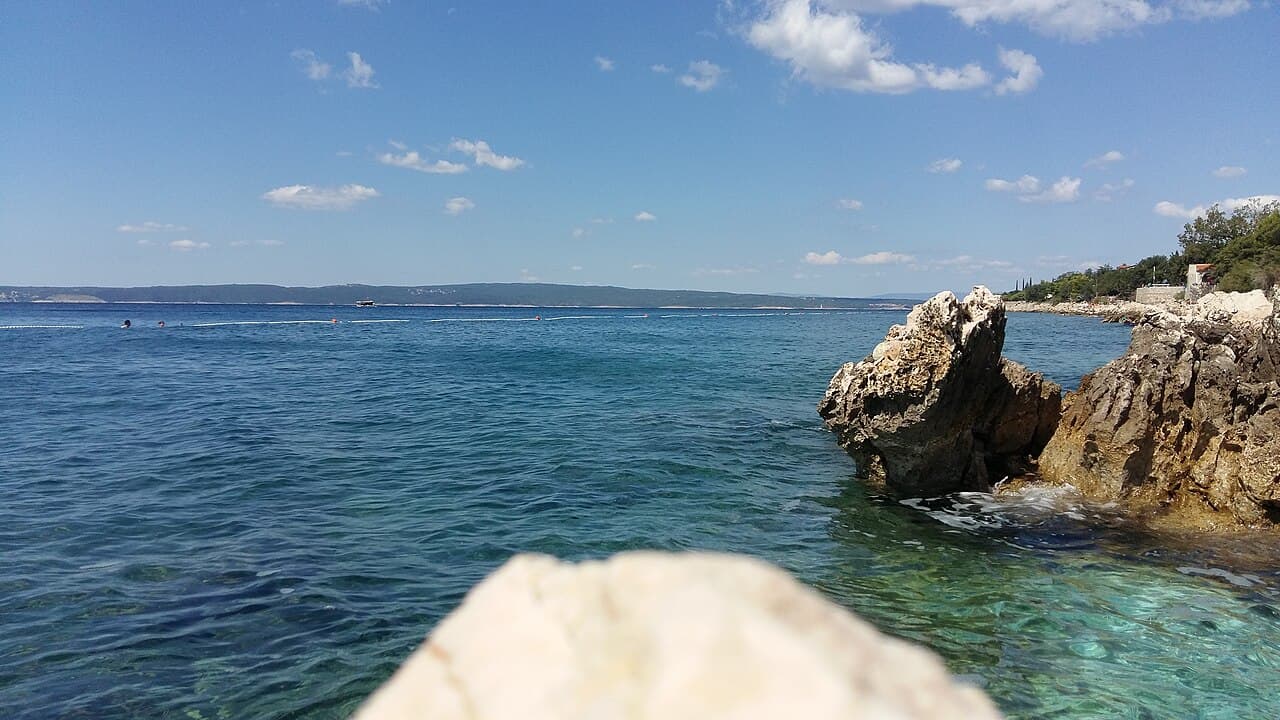
Lišanj is the main beach and the one most visitors use. It has a Blue Flag, a mix of pebbles and concrete platforms, showers, changing rooms and kiosks selling ice cream and drinks. The water is clear and the beach season runs from May to October, with summer sea temperatures of roughly 22–25 °C. Sun loungers and umbrellas are rented on the beach, and a lounger typically costs about €10–15 per day in high season.
The concrete platforms make entering the water easy for children, but the pebbles are hard on bare feet. Water shoes cost about €5–10 in any local shop and are worth buying.
Use the promenade
The promenade runs about 5 km along the coast and links the harbour area, the beaches and the marinas. It is flat, lit in the evening and suitable for strollers. Most cafés, ice cream stands and restaurants are along it. The best time to walk it is the hour before sunset.
Find quieter beaches
Skrapun Beach, south of the centre, has pine trees for shade and fewer people. It is a better choice than Lišanj for visitors who dislike crowds in July and August. A dog beach with a bar and a mountain-water tap is also available in the area, with parking nearby.
Hike or cycle to Selce
The coastal path to neighbouring Selce is about 8 km one way. A round trip takes around 4 hours or more depending on pace and stops. Start before 10:00 in July and August, as the path has limited shade.
04Local Food and Wine
The name Vinodolski comes from the Vinodol valley, a wine-growing area behind the town. The signature grape is Žlahtina, a dry, light white wine also grown on nearby Krk. A glass in a restaurant usually costs €3–5, and a bottle from a producer about €12–20.
Seafood is the core of most menus: grilled fish, squid, scampi and black risotto. A grilled fish main course in a waterfront restaurant typically costs €18–30 per portion, and a pizza or pasta dish about €9–14. Inland restaurants serve lamb, veal and dishes cooked under the peka bell, which are often better value than the harbour restaurants.
The Pavlomir winery in the Vinodol area offers tastings and is the most direct way to learn about local wine. Call ahead before visiting, especially outside July and August.
05Where to Stay
There are three main options: hotels and resorts along the waterfront, private apartments, and villas in the hills above town.
- Waterfront hotels
- Several mid-size hotels sit on the beach strip. Most have a restaurant and some have a pool. Rooms in peak season generally cost €100–220 per night, and in May or October €60–110.
- Apartments
- These are the most common option. Expect €60–120 per night in high season for a two-person unit. Check that parking is included.
- Villas with pools
- These are inland and uphill, usually a 5–15 minute drive from the beach. They suit groups and families who have a car.
Book early for July and August. Choosing a place within 500 m of the promenade removes the need to move the car every day.
06Parking: What to Know
Parking is the most common frustration here. The spaces closest to Lišanj Beach are paid and filled by mid-morning in summer. Expect about €1–2 per hour in season, and check the posted zone tariffs, because they vary by street. Free street parking exists a few streets back from the waterfront, but it fills up quickly in peak season. Arrive before 09:00, or walk 10 minutes from a free street.
Skip driving to the beachfront at midday in August. Searching for a space there wastes more time than walking from a side street. Hotels and apartments with on-site parking are worth paying extra for.
07Best Time to Visit
| Season | What to Expect |
|---|---|
| May–June | Warm days, sea around 18–22 °C, fewer crowds, lower prices |
| July–August | Peak season: hot, busy, highest prices, sea 23–25 °C |
| September | Warm sea, calmer town, often the best balance |
| October–April | Many seasonal businesses close, mild to cool weather |
September is the strongest month for a first visit. The sea is still warm, the crowds drop and accommodation prices fall. July and August suit travellers who want a lively evening scene, but expect crowds.
08Day Trips From Novi Vinodolski
- Crikvenica
- About 15 km north, with a longer beach strip and a larger choice of restaurants.
- Island of Krk
- About 50 km to the north-west via the Krk bridge; Krk town and Vrbnik, known for Žlahtina, are the main stops.
- Rijeka
- About 45 km north, a city with a market, museums and the Trsat fortress.
- Senj
- About 40 km south, a historic town known for its fortress and strong bora wind.
- Plitvice Lakes National Park
- About 2 hours by car. It makes a long day trip, so start early and book tickets online in advance.
09Practical Tips for First-Timers
- Currency
- Croatia uses the euro. Cards are accepted in most restaurants and shops, but keep some cash for small kiosks and parking machines.
- Tourist office
- The tourist information office on Tomislava 6 provides maps and the events calendar.
- Tap water
- It is safe to drink, including at the beach showers.
- Tourist tax
- Accommodation adds a small per-person nightly tourist tax, usually under €2.50 in season. Ask whether it is included in the price.
- Sun and wind
- Midday summer sun is strong. The bora wind can arrive suddenly in autumn and winter and affects roads and ferries.
- Language
- Croatian is the local language, and English is widely spoken in the tourism sector. A simple "hvala" (thank you) is appreciated.
- Local insider tip
- Eat dinner one street back from the promenade. Prices are often 15–20% lower than on the waterfront, with similar quality.
- Local insider tip
- Swim before 10:00 or after 17:00 at Lišanj. The beach is calmer, and the light is better for walking the old town.
10Estimated Daily Budget
A couple should plan around €120–200 per day in July and August, including a mid-range apartment, two meals out, parking and a beach lounger. In May, June or September the same plan costs around €90–150. Self-catering from the local supermarkets lowers the cost noticeably.