01How Many Days Do You Need in Osijek?
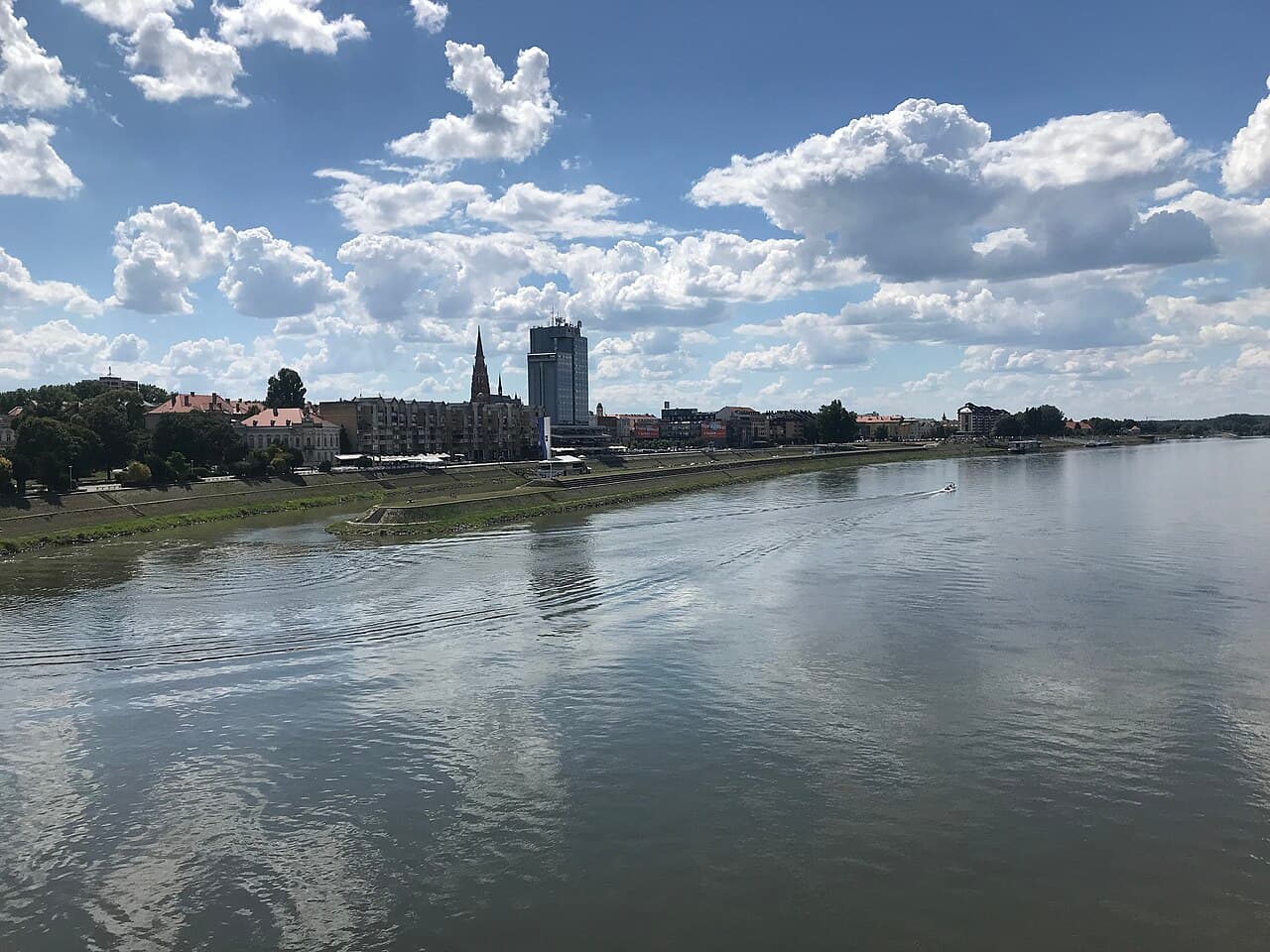
Osijek is Croatia's fourth-largest city and sits on the right bank of the Drava river in Slavonia. One full day covers the main sights. Two days allow time for Kopački Rit, one of the largest wetlands in Europe. Three days suit cyclists, birdwatchers and anyone adding wine villages in nearby Baranja.
The best months are April to June and September to early October. Late May to late September brings warm weather, riverside cafés and the Osijek Summer of Culture, which runs from late June to the end of August with many free open-air programs in Tvrđa. Summer afternoons are hot, so schedule walking for the morning and evening.
02One Day in Osijek: Tvrđa, the Riverfront and the Centre
Morning: Tvrđa (09:00–12:30)
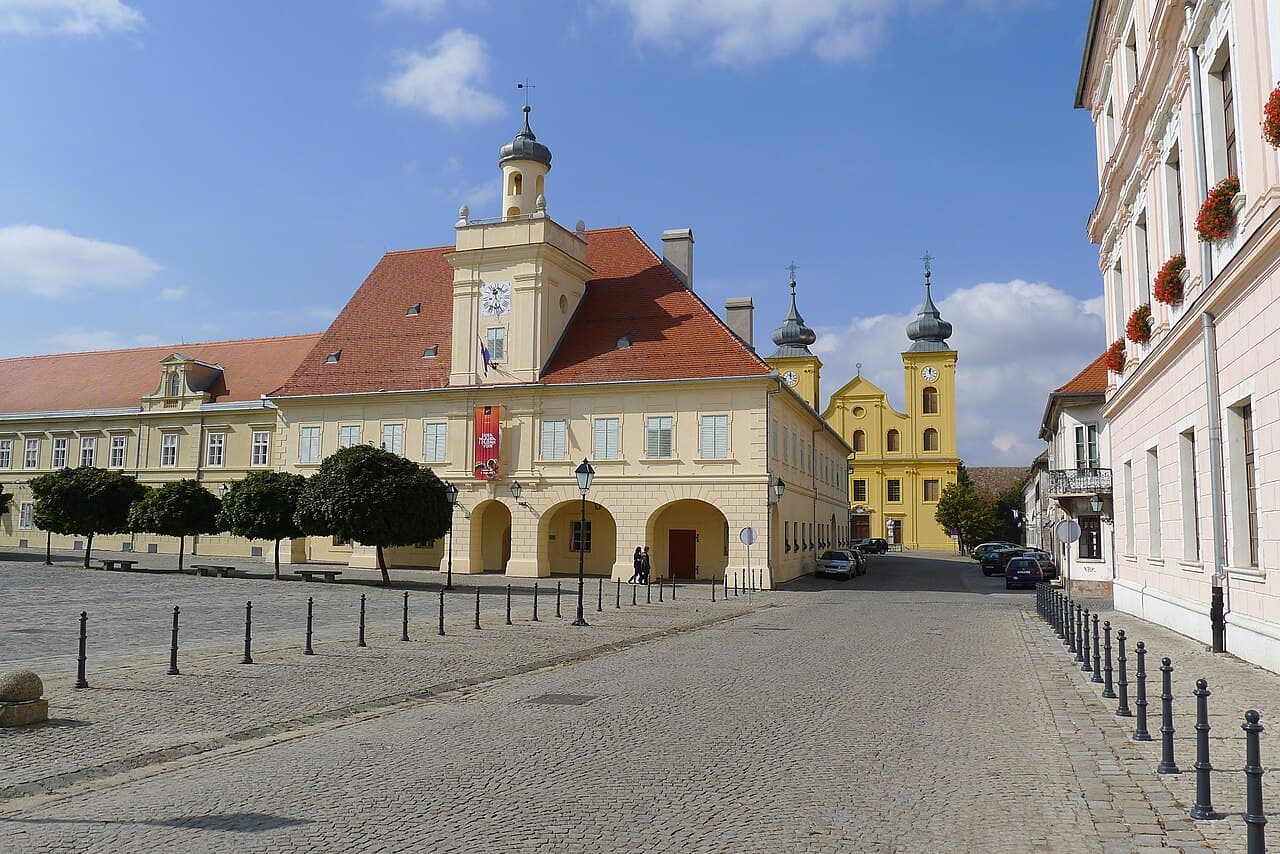
Tvrđa is a Baroque fortress district built in the 18th century and is regarded as one of the largest and best-preserved Baroque star forts in Europe. Entry to the district is free and there are no opening hours. Start before 09:00 and the squares are quiet and the light is good for photographs.
Walk to Holy Trinity Square (Trg Svetog Trojstva), with its plague column, the Church of St. Michael and the former military Commander's Building. Continue toward the Water Gate (Vodena vrata), one of the few surviving original entrances, close to the Drava. The Museum of Slavonia and the Archaeological Museum are both in Tvrđa. Entry is roughly €3–5 per museum; check hours before going, as most museums close on Mondays.
Lunch: Slavonian Food
Slavonian cooking is meat-heavy and paprika-rich. Look for fiš paprikaš (river-fish stew), kulen (spicy sausage), čobanac (meat stew) and fritule or štrudla for dessert. A main course in a konoba or restaurant in Tvrđa typically costs €9–15. A full lunch with a drink usually stays under €20.
Afternoon: The Centre and Co-Cathedral (14:00–17:30)
Take the tram from Tvrđa to the Lower Town and the Upper Town (Gornji grad). A ticket is €0.70–1. The Co-Cathedral of St. Peter and St. Paul has one of the tallest church towers in Croatia, at about 90 m, and its neo-Gothic interior is worth a short visit. Europe Avenue (Europska avenija) is lined with Secession-era buildings and is a pleasant walking street; the Croatian National Theatre building on Square of Ante Starčević is a clear landmark.
Evening: Pedestrian Bridge and the Drava Promenade
The pedestrian bridge over the Drava is open 24 hours and free. It is lit at night and links Tvrđa with the Tvrđavica riverbank side. Walk the riverside promenade at sunset, then return to Tvrđa for dinner. The bars on the squares fill up after 20:00 in summer.
03Day Two: Kopački Rit Nature Park
Kopački Rit lies 12 km northeast of Osijek at the confluence of the Drava and Danube. The wetlands attract roughly 285–300 bird species, including white-tailed eagles, cormorants and storks. Floods in spring change what the park looks like, so the experience differs between seasons.
Tickets and Prices
- Park entry: €3
- Entry plus boat tour up to 1 hour from Sakadaš: €15 (adult), €14 (groups of 25+), €13 (children/seniors)
- Small boat tour with guide, 1 h 30 min: €30 per person per hour (children under 12: €15 per hour)
- Canoe tours (cormorant tour 1 h, Linjov canal tour 2 h): €30 per person
- Winter option (15 November to 15 March): entry plus 40-minute train ride, €9
- Annual pass: €20
Main-season boats usually leave around 10:00, 12:00, 14:00 and 16:00, although the park's official schedule should be checked before the trip. Book in advance, particularly at weekends. Park hours are generally 09:00–17:00 from March to October and a shorter day in winter.
Getting There
By car it takes about 20 minutes: drive north on the road toward Beli Manastir and follow the signs in Bilje. Buses run to Bilje, but the walk from there to the park entrance is around 40 minutes. A taxi from Osijek costs roughly €15–20 one way. Many visitors choose a guided excursion from Osijek in the main season.
What to See
A boardwalk leads from the visitor centre to the Sakadaš landing. Tikveš Castle, a former hunting residence of Josip Broz Tito, is nearby and has a small museum. In autumn the red deer rut draws photographers and early risers. Spring and autumn bird migrations bring the highest numbers of birds.
Boat tours at the Veliki Sakadaš pier are the better option than walking alone: the lake is the heart of the park, and the guides explain the ecology. The 1-hour small boat tour is worth the extra money for birdwatchers because it reaches narrow channels the larger boats do not.
Afternoon Option: Osijek Zoo
Back in town, Osijek Zoo is a good option for families. Tickets cost €6 for adults and €4 for children aged 3–14. A ferry runs every 30 minutes between the city centre and Tvrđavica, and parking nearby is free.
04Day Three: Cycling and Baranja
Osijek is flat, and a city bike rental costs about €5–10 per day. The riverside path along the Drava runs for several kilometres through parkland on the way to the Copacabana area, the city's popular river beach zone, where swimming and cafés are open in summer. Alternatively, take a half-day wine trip in Baranja, the area north of the city known for white wines, including Graševina, and for small cellars in villages such as Zmajevac.
05Where to Stay in Osijek
Tvrđa is the most atmospheric base. Restored Baroque buildings there house guesthouses, hostels and small hotels, and the main sights are a few minutes on foot. The Lower Town and Europe Avenue suit those wanting more shops and quicker tram access. Typical prices run from €20–30 per night for hostel beds to €60–110 for mid-range double rooms in season.
06Local Tips
- Tvrđa on weekday mornings before 09:00 is empty and best for photographs.
- Most museums close on Mondays, so schedule Kopački Rit or the riverside for that day.
- Skip a rental car if you stay only in the city. Everything in town is walkable or reachable by tram, and the park is the only place that needs a car or taxi.
- Carry cash for small cafés and market stalls.
- Bring insect repellent for Kopački Rit between May and September; mosquitoes are common in the wetlands.
- Booking boat tours a day ahead is easier than turning up, especially on summer weekends.
07Getting to Osijek
Osijek Airport (OSI) at Klisa, about 20 km from the centre, has limited flights. Most visitors arrive by bus or car from Zagreb, which is roughly 280 km and 3.5 hours by road. Buses run daily; expect €15–25 one way. Budapest is about 3.5–4 hours away by road, and Belgrade about 3.5 hours.
08Best Time to Visit
Spring and early autumn give the mildest weather and the best birding. July and August are hot, often above 30°C, but offer the most events. Winter is quiet; the Kopački Rit winter train replaces the boats and costs €9.