01Rijeka for Seniors: Your Comprehensive Guide to an Accessible Croatian Adventure
Rijeka, Croatia's third-largest city, is a vibrant tapestry of Hapsburg grandeur, industrial heritage, and dynamic port-city life. Often overlooked for the sun-drenched towns of Dalmatia, Rijeka offers a more authentic, culturally rich experience. But is it suitable for senior travelers, especially those with mobility concerns? The answer is a resounding yes, with the right information and planning.
This guide provides everything you need to know about navigating Rijeka comfortably and safely, focusing on accessibility, gentle activities, and practical advice for a memorable trip.
Why Choose Rijeka for Your Senior Holiday?
Rijeka presents a unique blend of benefits for the mature traveler:
- Compact & Flat City Center
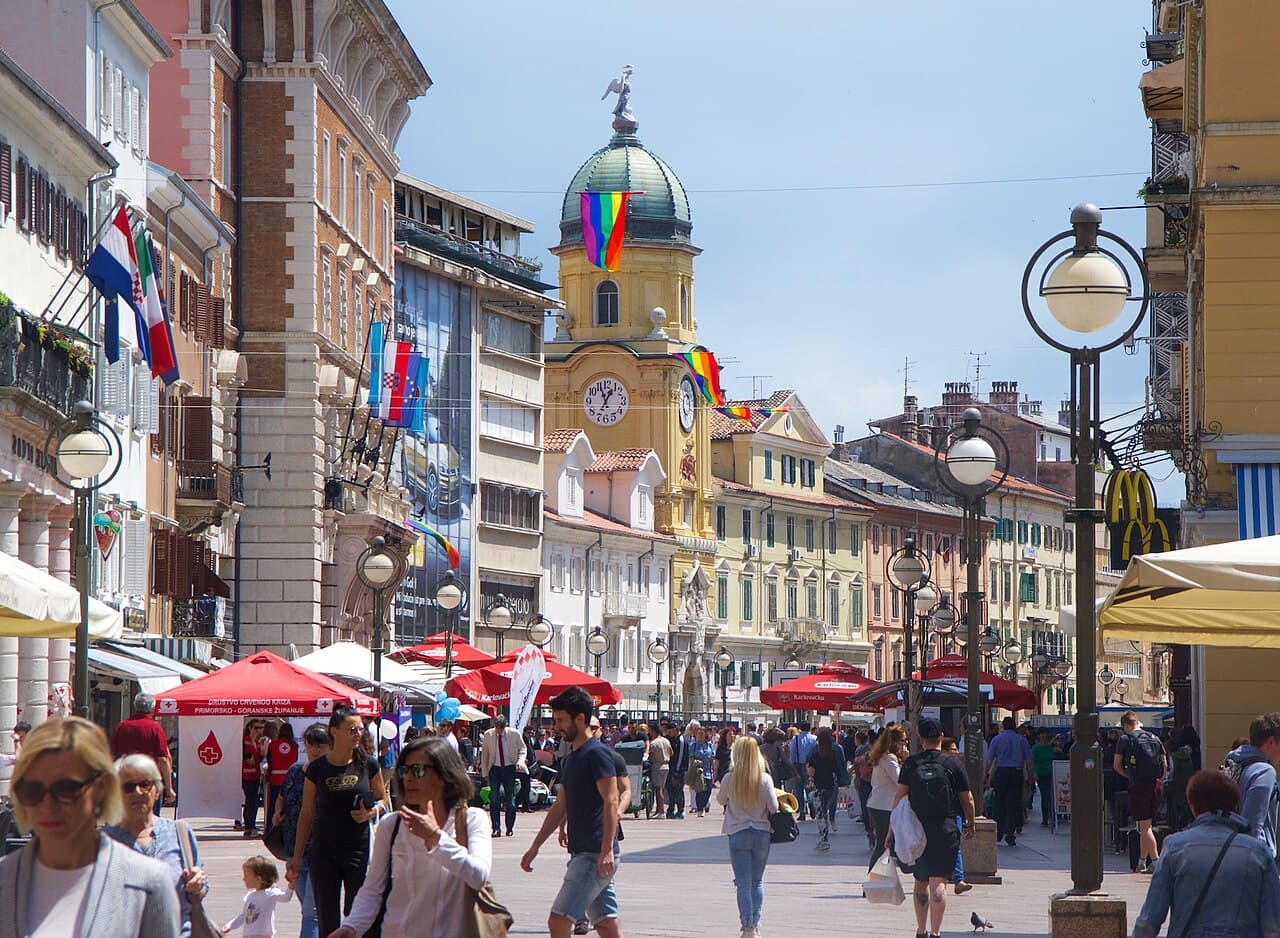
- The heart of the city, the Korzo promenade, is a long, flat, and entirely pedestrianized street perfect for leisurely strolls, people-watching, and enjoying a coffee.
- Rich Cultural Scene
- As a former European Capital of Culture, Rijeka boasts excellent museums, galleries, and a beautiful national theatre, many of which are accessible.
- Authentic Atmosphere
- Less crowded than Dubrovnik or Split, Rijeka allows for a more relaxed pace and a genuine connection with local Croatian life.
- Excellent Location
- It serves as a fantastic base for day trips to the Istrian peninsula, Opatija resort, or the nearby islands of Krk and Cres, accessible via ferries and comfortable tour buses.
The Honest Truth About Accessibility in Rijeka
Rijeka is a city of two parts. The downtown commercial and cultural center is largely flat and easy to navigate. However, the city is built on a hill, and neighborhoods like Trsat, famous for its castle and sanctuary, are located high above the Rječina river. The Old Town, while charming, contains some narrow, cobbled lanes and steps.
Key takeaway: Stick to the main downtown area for walking and use the excellent public transport or affordable taxis to visit elevated attractions.
02Getting Around Rijeka: Mobility for Seniors
Navigating Rijeka is straightforward once you understand the options. Here’s how to get around with ease.
Arriving in Rijeka
- By Air
- Rijeka Airport (RJK) is located on the nearby island of Krk, about 27 km from the city center. A shuttle bus (€10 per person) connects the airport to Rijeka's main bus station. For maximum comfort, pre-booking an accessible taxi or transfer is recommended (approx. €40-€50).
- By Bus or Train
- The main bus station (Autobusni Kolodvor Rijeka) is centrally located and relatively flat. The train station is a short, 10-minute flat walk from the city center. Both are manageable, but a short taxi ride to your hotel can be a wise choice with luggage.
Public Transportation: The Autotrolej Bus System
Rijeka's city bus network, Autotrolej, is efficient and senior-friendly.
- Low-Floor Buses
- Many buses, especially on popular routes, are low-floor models, making boarding easier.
- Tickets
- A single-journey paper ticket for Zone 1 (covering the entire city area) costs approximately €1.55 and can be bought from the driver (cash preferred) or at a kiosk (Tisak).
- Key Route for Seniors
- Remember Bus Line 2. This is your essential route for visiting Trsat. It departs from the city center and takes you directly to the top, allowing you to bypass the formidable 561-step Trsat Stairs.
Taxis and Ride-Sharing
Taxis are readily available and affordable. Companies like Cammeo or Uber operate in the city. A typical 5-10 minute ride within the city costs between €7 and €12. This is the best option for door-to-door service, especially in the evening or when tired.
03Accessible Accommodation in Rijeka
Choosing the right place to stay is crucial for a comfortable trip. The key is location.
Where to Stay
For maximum accessibility, book accommodation in the immediate vicinity of the Korzo or the waterfront area. This ensures you are on flat ground and within easy walking distance of most cafes, restaurants, and shops. Avoid hotels located deep within the Old Town's smaller alleys or on the hillsides unless you are comfortable with slopes and stairs.
Recommended Hotels
- Hotel Bonavia
- The city's most renowned hotel, located just steps from the Korzo. It offers elevators, modern amenities, and often has accessible rooms available upon request.
- Jadran Hotel
- Situated on the Pećine coast, about 2 km from the center. It offers beautiful sea views and a quieter atmosphere. It's an excellent choice if you prefer to be slightly outside the hustle and bustle, with easy taxi or bus access to the center.
04Senior-Friendly Activities and Attractions
Rijeka offers plenty to see and do at a leisurely pace.
The Korzo: The Heart of the City
This is where your Rijeka experience begins. The city's main promenade is a wide, flat, pedestrian-only boulevard lined with elegant buildings, shops, and countless cafes with outdoor seating. It's the perfect place for a morning coffee, an afternoon stroll, or simply to sit on a bench and watch the world go by.
Molo Longo: A Walk on the Water
This 1.7-kilometer-long breakwater, whose name literally means "long pier," is a fantastic, completely flat walk. It offers stunning views of the city, the port, and Učka mountain. There are benches along the way to rest and enjoy the sea breeze. It's an ideal spot for a gentle morning or evening walk.
Trsat Castle and the Shrine of Our Lady of Trsat
These are Rijeka's most famous landmarks, and they are absolutely worth visiting. However, while Trsat Castle offers the best views, seniors with mobility issues should unequivocally opt for the bus (line 2) or a taxi instead of attempting the steep Trsat Stairs. The climb is arduous. Once at the top, the grounds of the castle and the shrine are relatively flat and manageable. The panoramic view of the Kvarner Gulf is your reward.
Museums with Good Accessibility
- Maritime and History Museum of the Croatian Littoral: Housed in the magnificent former Governor's Palace. While there is a slight uphill walk to reach it, the building itself is equipped with an elevator to access the main collections.
- Museum of Modern and Contemporary Art (MMSU): This museum is designed with modern accessibility standards, including ramps and elevators.
Rijeka Central Market (Placa)
A feast for the senses. The main market is comprised of two beautiful Art Nouveau pavilions and an open-air green market. The indoor fish and meat markets are on the ground floor and fully accessible. It’s a wonderful place to experience local life, even if you’re just browsing.
05Practical Tips for Health, Safety, and Comfort
- Pacing is Key
- Don't try to see everything in one day. Plan for a main activity in the morning, a relaxing lunch, and perhaps a siesta before a gentle evening outing.
- Stay Hydrated
- Croatian summers can be hot. Always carry a bottle of water with you. Tap water in Rijeka is perfectly safe to drink.
- Footwear
- Comfortable, supportive shoes with good grip are essential, especially for navigating the occasional cobblestone street.
- Pharmacies (Ljekarna)
- Pharmacies are plentiful. Look for the green cross symbol. Pharmacists are highly trained and can offer advice for minor ailments.
- Emergency Number
- The universal emergency number in Croatia is 112.
- Rest Stops
- Rijeka's café culture is your best friend. There is no shortage of places to sit down, have a drink, and use the restroom. Public benches are also common along the Korzo and Molo Longo.
Insider Tips
- Table Service is Standard: At almost all cafes, you can take a seat and a waiter will come to you. There's no need to queue at the counter.
- Ask for the 'Marenda': Many local restaurants ('konoba') offer a 'marenda' or 'gablec'—a simple, hearty, and affordable lunch special, typically served between 11 AM and 2 PM.
- Clean Public Toilets: There are clean, well-maintained public toilets located at the main bus station and near the central market. The fee is typically around €0.50.


