01Myth 1: "Rijeka is just a boring port, a gateway to the islands."
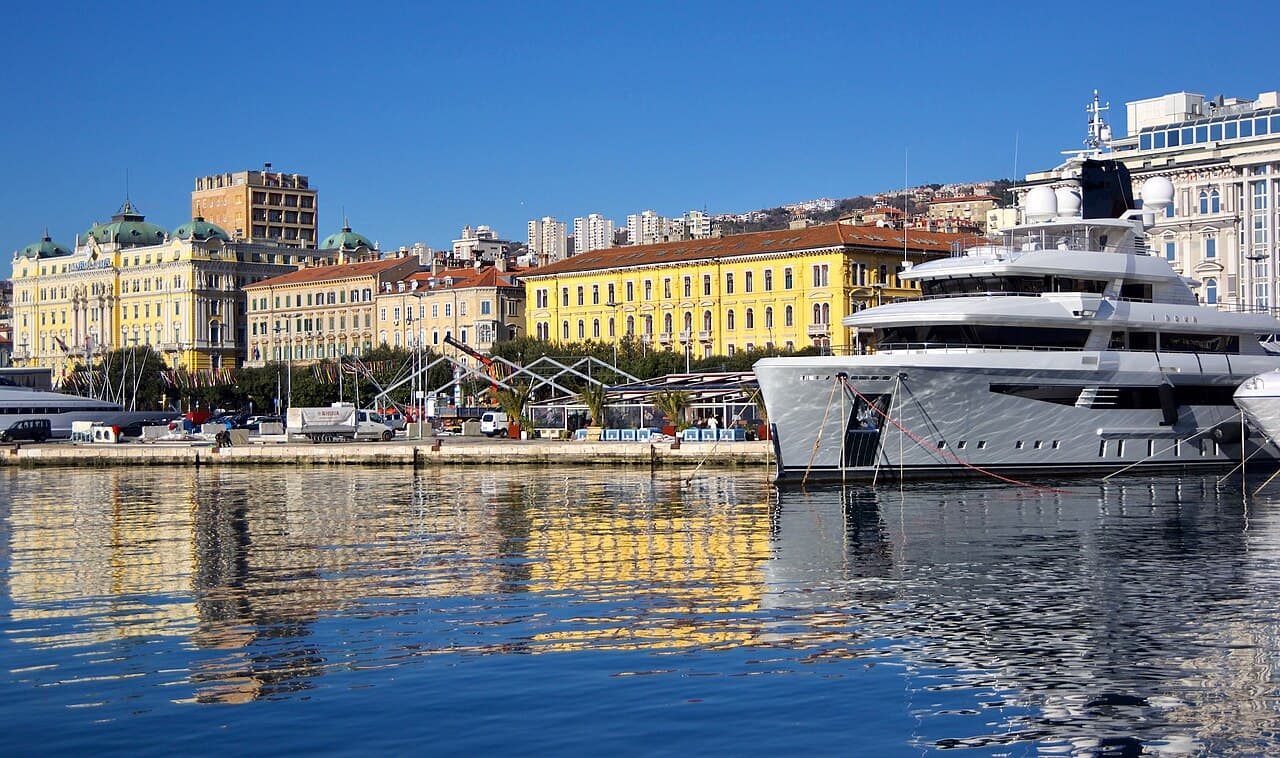
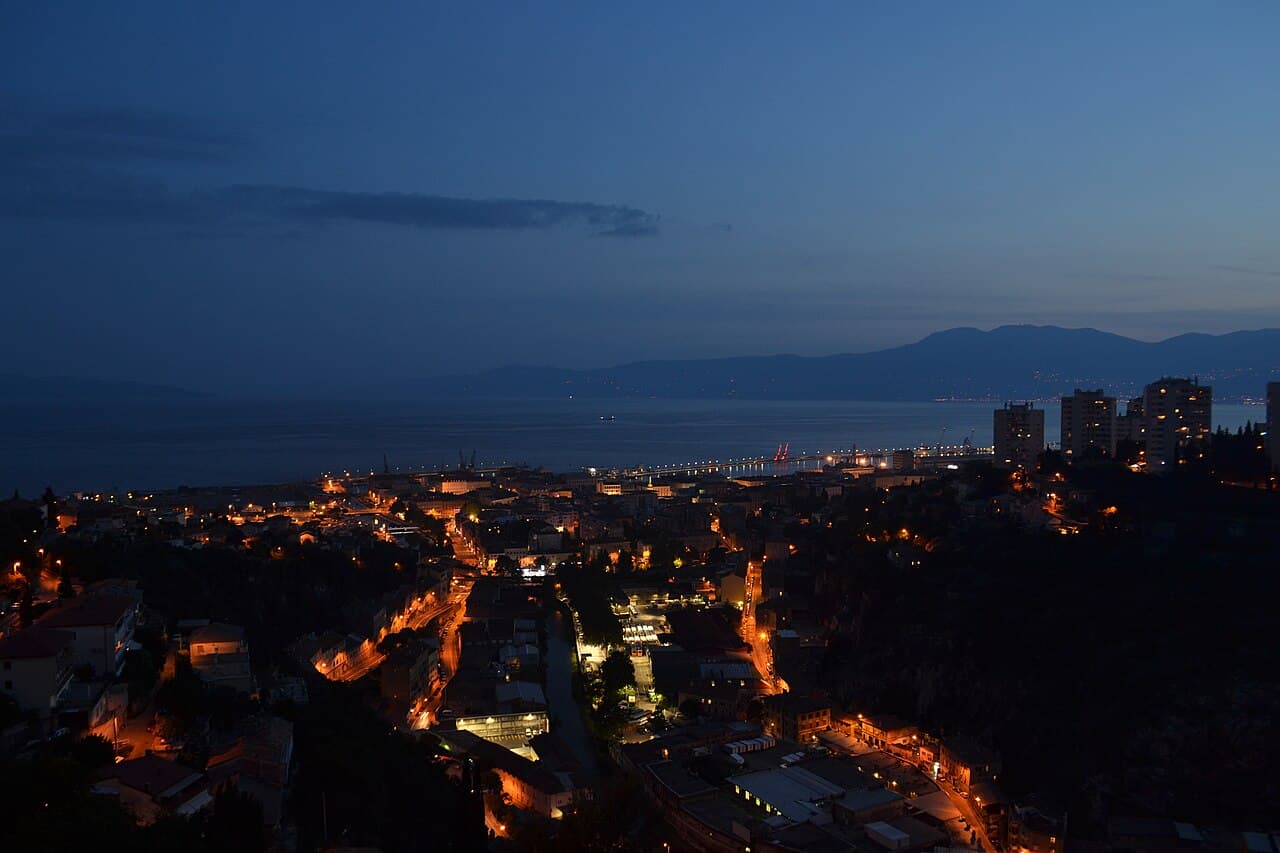
The Reality: This is the biggest mistake travelers make. Treating Rijeka as a mere ferry terminal means you miss the point entirely. In summer, it can feel like that because everyone is rushing to a boat. But in spring and autumn, the city breathes. This is a city with a fierce identity, shaped by its industrial past and vibrant counter-culture. It's not a polished-for-tourists medieval town; it's real, it's gritty, and it's fascinating.
The Better Alternative: Instead of passing through, dedicate at least two full days here. Walk the Korzo, the city's main promenade, without the tourist swarms. Dive into the bustling central market (Placa) in the morning to see locals shopping for produce and fresh Adriatic fish. Insider perspective: The real vibe of the city emerges after the last ferry leaves; that's when the local bars and cafes truly buzz. Spend an afternoon exploring Trsat Castle for stunning views, and visit the Governor's Palace to understand the city's complex history.
02Myth 2: "The weather will be cold and rainy."
The Reality: Let's be direct: this isn't the tropics. But the sweltering 35°C+ (95°F+) heat of July and August can be brutal and draining. The shoulder season offers a perfect compromise. Expect pleasant daytime temperatures between 15-22°C (60-72°F), ideal for walking and exploring without constantly seeking shade or air conditioning. Yes, you might get a rain shower, but they rarely last all day. It’s perfect 'light jacket' weather.
The Better Alternative: Embrace the mild climate. This is the best time to hike in the nearby Učka Nature Park or take a long, leisurely stroll along the Lungomare coastal path in nearby Opatija. You can actually enjoy a coffee on an outdoor terrace without melting. It's weather for doing things, not just surviving the heat.
03Myth 3: "Nothing will be open."
The Reality: This might be true for tiny, seasonal villages on the islands, but Rijeka is Croatia's third-largest city and a major university town. It functions year-round. All the key museums, galleries, shops, and restaurants in the city center are open. You'll find that service is often better and more relaxed when staff aren't dealing with overwhelming summer crowds.
The Better Alternative: Focus on the authentic, year-round establishments that locals love. Skip the overpriced seasonal tourist traps on the coast. Save your money here and spend it on an authentic konoba meal in the city. This is your chance to eat at places like Konoba Fiume or Feral, where the menu is dictated by what's fresh at the market that day, not by what pleases the masses. You'll get a better meal for a better price.
Visiting Rijeka isn't about ticking off pristine beaches. It's about experiencing a layered, complex, and unapologetically authentic Croatian city. The shoulder season strips away the distracting layer of mass tourism and lets you see its core: the grand Austro-Hungarian architecture, the thriving arts scene, the echoes of its industrial heritage, and the daily life of its people. You trade guaranteed swimming weather for a genuine connection with a place. And that's a trade worth making every time.