01Split, Croatia: A 2027 Guide to Navigating Crowds and Costs
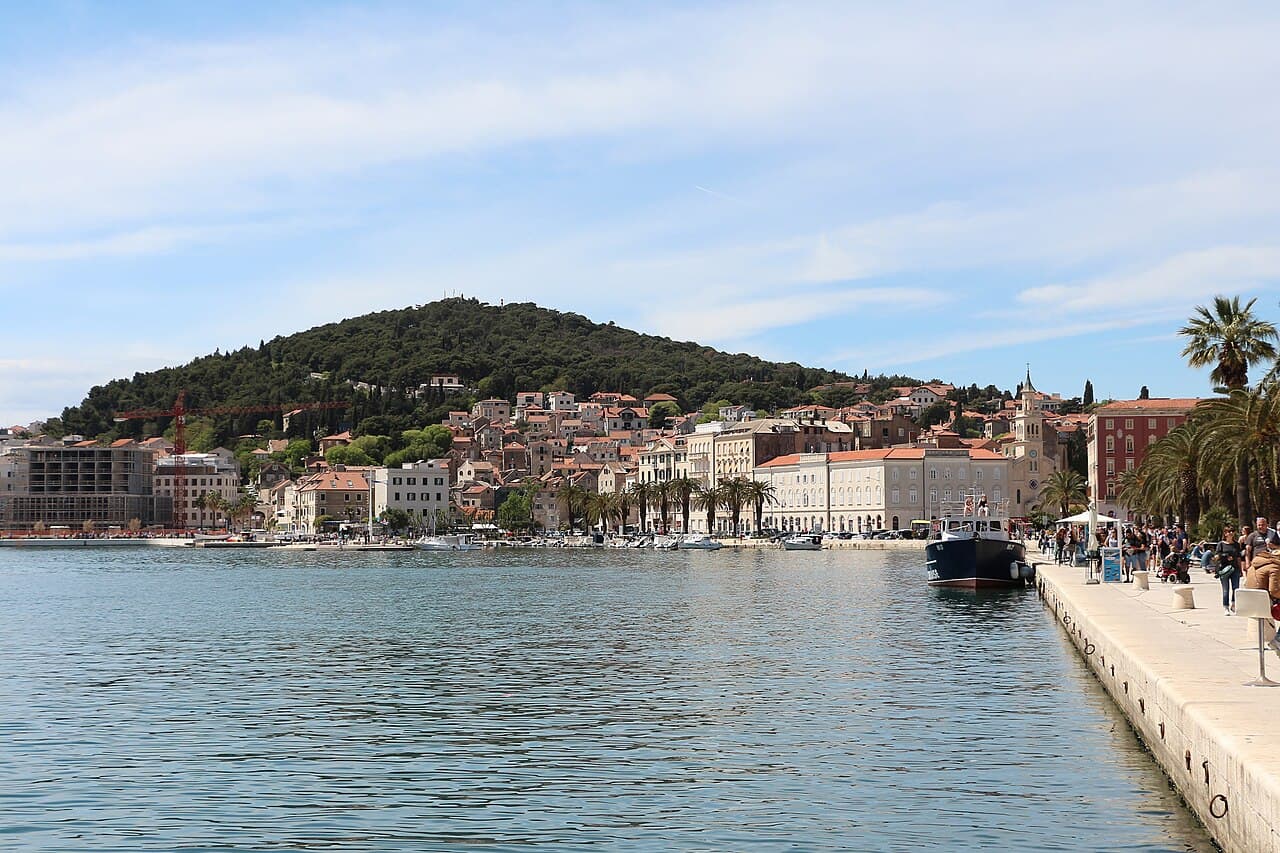
Split, the vibrant heart of the Dalmatian coast, is a city where ancient Roman walls embrace a bustling modern life. Centered around the magnificent Diocletian's Palace, a UNESCO World Heritage site, its popularity has skyrocketed. But with fame comes crowds. Choosing the right time to visit is crucial for a memorable experience. This guide provides a detailed month-by-month analysis of crowd levels, weather, and costs for your 2027 trip to Split.
Understanding Split's Tourist Seasons
Split's visitor numbers fluctuate dramatically throughout the year, primarily divided into three distinct seasons:
- Peak Season (July - August): Characterized by scorching temperatures, the highest prices, and immense crowds. The city is alive with energy, but navigating the narrow streets of the Old Town can be challenging.
- Shoulder Season (April - June, September - October): Widely considered the best time to visit. This period offers a fantastic balance of pleasant weather, warm sea temperatures (from late May), manageable crowds, and more reasonable prices.
- Off-Season (November - March): The quietest and most affordable time. While many tourist-focused businesses operate on reduced hours or close, it's a perfect time for travelers seeking cultural immersion without the tourist throngs. The weather is cool and can be rainy.
02A Month-by-Month Breakdown of Crowds in Split
Timing your visit can make the difference between a relaxing holiday and a stressful one. Here’s what to expect each month.
The Peak Season Crush: July & August
Crowd Level: Extreme
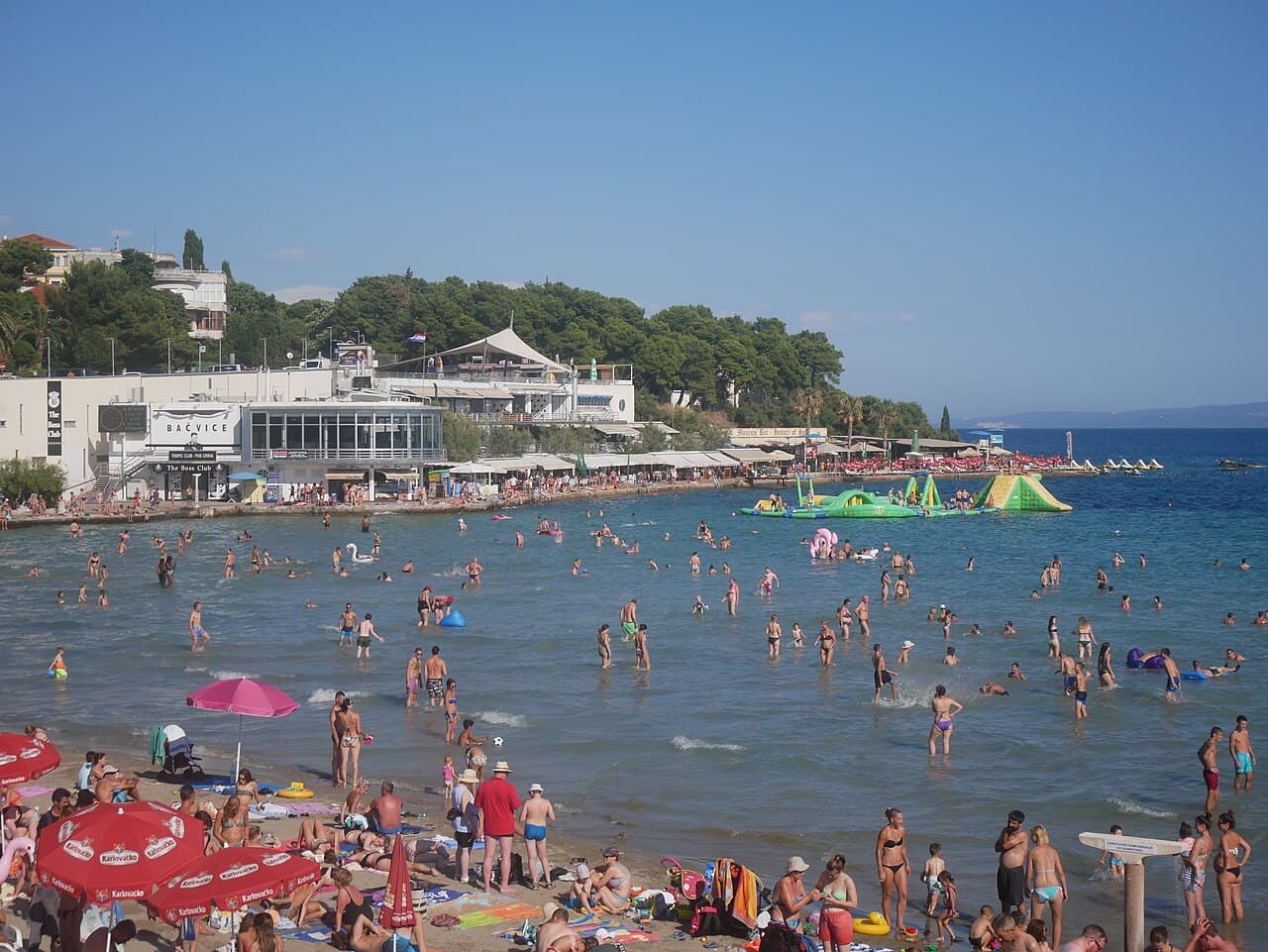
This is Split at its most intense. The narrow alleys of Diocletian's Palace are packed shoulder-to-shoulder, especially between 10:00 AM and 2:00 PM when cruise ship passengers descend. Expect queues of up to 30-45 minutes for major attractions like the Cathedral of St. Domnius bell tower. Popular beaches like Bačvice are filled to capacity.
- Weather
- Hot and sunny. Average temperatures range from 25°C to 30°C, often feeling hotter. Sea temperature is a perfect 25°C.
- Prices
- At their absolute peak. Accommodation prices can be 100-200% higher than in the off-season. A standard apartment within 1 km of the Old Town can cost €200-€350 per night.
- Events
- The Split Summer Festival brings cultural events, but the main draw is the Ultra Europe Music Festival in mid-July, which attracts over 150,000 electronic music fans, causing a massive surge in visitors and prices.
- Insider Tip
- To escape the midday heat and crowds, visit the Palace at dawn (around 6:00 AM) for charming, tourist-free photos. For an evening meal at a top-rated restaurant like Bokeria (rating: 4.6★), you must book at least a week in advance.
The Golden Shoulder Season: May, June, September & October
This period offers the best of both worlds and is highly recommended by travel experts.
June & September
Crowd Level: High
June and September are very popular and feel like a slightly less frantic version of peak season. The city is buzzing, but there's more breathing room. Ferries to islands like Hvar and Brač are busy, so booking a day or two in advance is wise. A one-way passenger ferry ticket to Hvar costs approximately €15-€25.
- Weather
- Excellent. June is sunny and warm (avg. 22°C), while September retains summer's warmth (avg. 21°C) with less humidity. The sea is warm enough for comfortable swimming, typically 21-24°C.
- Prices
- High, but about 20-30% lower than July and August. You can find excellent accommodation for €120-€220 per night.
- Insider Tip
- In September, participate in the local grape harvest ('berba') by booking a wine tour to the nearby Kaštela wine region. It's an authentic experience unavailable in peak summer.
May & October
Crowd Level: Moderate
These are arguably the perfect months to visit Split. The crowds are significantly thinner, allowing for unhurried exploration of the Palace and Riva promenade. Most restaurants and attractions are open, but you won't need to fight for a table.
- Weather
- Pleasant and mild. May averages 18°C, perfect for sightseeing and hiking on Marjan Hill. October averages 17°C, with a higher chance of rain but many beautiful, clear days. The sea in May is a brisk 18°C, warming up by the end of the month, while in October it's still a swimmable 20°C.
- Prices
- Great value. Accommodation is much more affordable, often 40-50% cheaper than in peak season, with prices ranging from €80-€150 for quality spots.
- Insider Tip
- October is olive harvesting season. Look for local tours that offer olive oil tasting experiences just outside the city. It’s a unique culinary activity.
The Quiet Off-Season: November to March
Crowd Level: Low
Winter in Split is for the traveler who prioritizes culture over sunbathing. The city is reclaimed by locals. You can wander the Peristyle of Diocletian's Palace and often be one of only a handful of people there. The famous 'Bura' wind can bring chilly, clear days.
- Weather
- Cool, with average temperatures from 5°C to 10°C. Rain is more frequent, especially in November and December.
- Prices
- The lowest of the year. You can find fantastic deals on high-end accommodation, with prices often as low as €50-€90 per night.
- Activities
- While island ferries run on a reduced schedule and many tour operators close, all major museums and historical sites remain open. This is the best time for a deep dive into the Split City Museum or the Gallery of Fine Arts (opening hours typically 10:00-18:00).
- Insider Tip
- Experience 'Advent in Split' during December. The Riva promenade is filled with festive stalls offering mulled wine and local delicacies, providing a charming, local atmosphere that tourists rarely see.
03Best Time to Visit for Specific Activities
Best for Beaches and Swimming: Late June to Mid-September
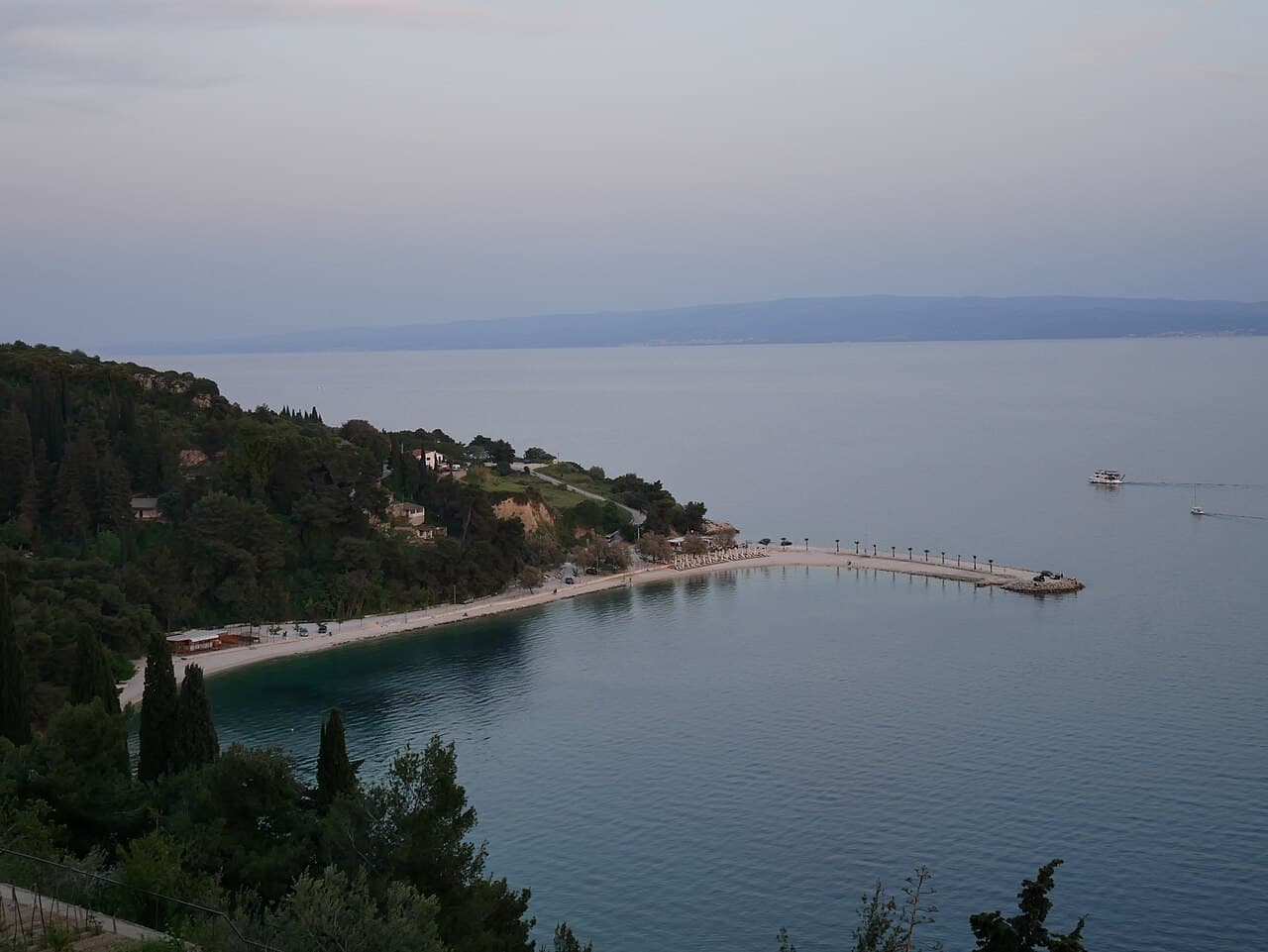
For guaranteed warm sea temperatures (22°C+) and sun-drenched days, this is the window. To avoid the crowds at Bačvice beach (the city's main sandy beach, 1 km from the center), head to the more serene Bene or Kašjuni beaches on the Marjan peninsula, about 3-4 km from the Old Town.
Best for Sightseeing Without Crowds: April, May, and October
These months provide the ideal combination of mild, sunny weather perfect for walking and significantly fewer people at key sites. You can explore the Palace's basement halls or climb the bell tower without feeling rushed.
Best for Budget Travelers: November to March
If your budget is tight, the off-season is unbeatable. Flights and accommodation are at their absolute cheapest. You can enjoy a coffee on the Riva for the local price of €2-€3 and experience the city's authentic, unhurried pace.
04Strategies for Avoiding Crowds in Any Season
Even if you visit in August, you can still find moments of peace.
- Start Early, Stay Late: Diocletian's Palace is a public space, open 24/7. Explore its main squares like the Peristyle before 8:00 AM or after 8:00 PM to see them without the crowds.
- Book Everything in Advance: In high season, book accommodation 6-9 months out. Reserve popular dinner spots (like Konoba Varoš, rating: 4.5★) and day-trip ferries (e.g., to Bol or Hvar) at least 3-4 days ahead.
- Stay Outside the Walls: Instead of staying inside the Palace, consider the charming neighborhoods of Varoš or Radunica. They are only a 5-10 minute walk (500m - 1km) from the center but offer a more peaceful, local experience.
- Explore Beyond the Obvious: Instead of a day trip to crowded Hvar, consider the tranquil island of Šolta, just a 45-minute ferry ride away. It offers beautiful bays and authentic fishing villages with a fraction of the tourists.