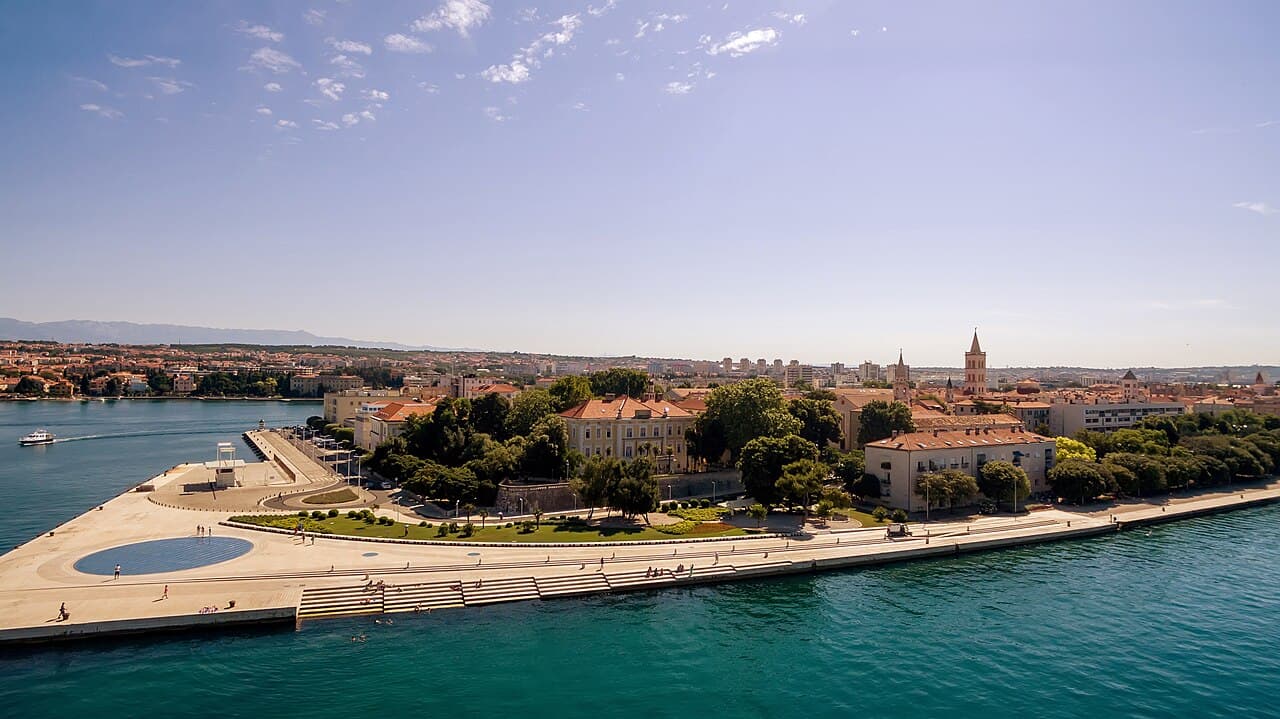
01Split vs. Dubrovnik: The Ultimate 2027 Croatian Showdown
Choosing between Split and Dubrovnik is the quintessential Croatian travel dilemma. Both are magnificent coastal cities, drenched in sun and history, but they offer vastly different experiences. One is a living, breathing Roman heart, a bustling transport hub that pulses with local life. The other is a perfectly preserved medieval fantasy, a UNESCO-protected jewel that feels like a film set.
So, which Dalmatian coast star is right for your 2027 vacation? This comprehensive guide breaks down every crucial factor—from cost and beaches to nightlife and day trips—to help you make the perfect choice.
***
02A Head-to-Head Comparison: Vibe, Cost, and Activities
Let's dive deep into what sets these two cities apart. We'll analyze the atmosphere, budget considerations, and the unique attractions each city offers.
Vibe and Atmosphere: Lively Hub vs. Historic Jewel
Split: The Authentic Roman Heart
Split’s soul is Diocletian's Palace, a 1,700-year-old Roman complex that isn't a museum—it's the living, breathing center of the city. Locals live within its ancient walls, laundry lines hang between millennia-old stones, and vibrant bars and restaurants fill its cellars and courtyards. The city buzzes with an energy that feels authentic and dynamic. The Riva, its palm-lined waterfront promenade, is a constant parade of locals meeting for coffee, fishermen mending nets, and travelers catching ferries. Split is a major transport hub, and this constant flow of people gives it a less-polished, more functional, and arguably more 'real' feel.
- Vibe Rating
- 4.7★
- Best for
- Travelers who want to mix sightseeing with authentic local culture, backpackers, and those using the city as a base for exploration.
Dubrovnik: The Polished Medieval Dream
Dubrovnik is, in a word, stunning. Encased in monumental stone walls and perched above the clear Adriatic, the Old Town (a UNESCO World Heritage site) is an architectural masterpiece. Walking the main street, the Stradun, with its polished limestone paving, feels like stepping back in time or onto the set of Game of Thrones (which it famously was). The atmosphere is more refined, romantic, and distinctly geared towards tourism. While stunning, it can feel like a perfectly curated open-air museum, especially during peak season when cruise ship crowds flood its narrow lanes.
- Vibe Rating
- 4.5★
- Best for
- Couples, history buffs, luxury travelers, and fans of epic fantasy series.
Cost of Travel: Which City is More Affordable?
This is one of the most significant deciding factors. Split is considerably more budget-friendly than Dubrovnik across the board. The difference can be as much as 30-50% depending on your travel style.
- Accommodation
- A bed in a well-rated hostel in Split might cost €35 in July, while a similar one in Dubrovnik could easily be €55. A private apartment rental inside Diocletian's Palace can be found for €120/night, whereas an equivalent within Dubrovnik's walls will likely start at €180-€200.
- Food and Drink
- A sit-down dinner at a mid-range restaurant in Split averages €20-€35 per person. In Dubrovnik's Old Town, expect to pay €35-€55 for a similar meal. A simple coffee or beer on the main promenade in Split is about €3-€4; on Dubrovnik's Stradun, it's closer to €5-€7.
- Activities
- The entrance fee for Dubrovnik's famous City Walls is a steep €35 per person (2025 price; check the current fee before you go). In contrast, exploring Diocletian's Palace in Split is free, with smaller fees for specific sites like the palace substructures (cellars) (about €10).
Insider Tip: In Dubrovnik, the Dubrovnik Pass is essential. For a price slightly higher than the wall ticket alone (check the current price), it includes entrance to the walls, several key museums, and public transport, offering significant savings.
Beaches: Sandy Coves vs. Pebbled Shores
Both cities offer beautiful spots to cool off in the Adriatic, but Split has the edge for variety and accessibility.
Split's Beaches Split boasts several beaches within walking or short bus-ride distance.
- Bačvice
- Located just 1 km (a 15-minute walk) from the Riva, this is Split's most famous and only major sandy beach. It's lively, shallow, and the birthplace of the local game picigin. It's packed with cafes and has a party atmosphere. Rating: 4.0★
- Kašjuni and Bene
- Situated on the forested slopes of Marjan Hill, these pebbled beaches offer clearer water and a more relaxed, scenic vibe. They are about 3-4 km from the center, easily reachable by bus or a 30-minute walk. Rating: 4.6★
- Žnjan
- A long stretch of pebble beaches further east, popular with families due to its amenities and easy parking. Rating: 4.2★
Dubrovnik's Beaches Dubrovnik's beaches are incredibly scenic but often smaller and more crowded.
- Banje Beach
- The city's signature beach, located just 500m from the Ploče Gate. It offers spectacular views of the Old Town walls but is often dominated by a pricey beach club and can get extremely crowded. Rating: 3.8★
- Lapad Peninsula
- A short bus ride from the Old Town, this area has several pleasant pebble beaches, resort-style amenities, and walking paths. A much more relaxing option than Banje. Rating: 4.3★
- St. Jacob's Beach
- A local favorite about a 25-minute walk from the Old Town. It's more secluded and offers incredible views, but requires descending over 160 steps. Rating: 4.7★
Day Trips and Island Hopping: The Ultimate Base
This is where Split truly shines and often becomes the deciding factor for many travelers. Split is unquestionably the superior base for island hopping and exploring central Dalmatia.
From Split: As Croatia's largest ferry port, Split offers exceptional connections.
- Hvar
- The famous party island and lavender fields are just a 1-hour catamaran ride away.
- Brač
- Home to the iconic Zlatni Rat (Golden Horn) beach, reachable in 50 minutes by ferry.
- Vis & Biševo (Blue Cave)
- The charming Blue Cave and the remote, beautiful island of Vis are popular full-day boat tour destinations.
- Krka National Park
- Famous for its stunning waterfalls (swimming is not allowed there), about a 1.5-hour bus ride away.
- Trogir
- A UNESCO-protected medieval town just 30 minutes away by local bus or boat.
From Dubrovnik: Dubrovnik's day trip options are excellent but more limited in scope, focusing on nearby islands and neighboring countries.
- Lokrum Island
- A lush, green oasis with botanical gardens, peacocks, and a Dead Sea-like saltwater lake, just a 15-minute ferry ride from the Old Town port.
- Elaphiti Islands (Koločep, Lopud, Šipan)
- A classic 'three-island' boat tour, offering sleepy villages and sandy beaches (Sunj beach on Lopud).
- Montenegro (Bay of Kotor)
- A very popular full-day bus tour to explore the stunning fjord-like bay and medieval towns of Kotor and Perast.
- Bosnia and Herzegovina (Mostar)
- Another fantastic cross-border trip to see the iconic Stari Most (Old Bridge) and experience a different culture.
Verdict: If your dream Croatian holiday involves exploring a different island every other day, choose Split. If you prefer a couple of quality boat trips mixed with international excursions, Dubrovnik is a great choice.
***
03Insider Tips for the Savvy Traveler
- The 'Fly in One, Out the Other' Strategy
- For trips of 8 days or more, the best itinerary is to fly into Split and fly out of Dubrovnik (or vice versa). This allows you to experience both, plus the beautiful islands and coastline in between (like Hvar and Korčula). A catamaran or bus connects the two cities in about 4-4.5 hours.
- Split Accommodation Secret
- For better value and a quieter stay, look for apartments in the Varoš or Radunica neighborhoods. They are charming, authentic, and just a 5-10 minute walk from Diocletian's Palace.
- Dubrovnik Crowd Avoidance
- Walk the city walls as soon as they open (usually 8:00 AM) or an hour before they close to avoid the midday cruise ship crowds and the intense summer heat. The light is also better for photos.
- Local Food Hack
- In either city, look for a 'konoba' (a traditional tavern) a few streets back from the main tourist thoroughfares. The food will be more authentic and the prices 20-30% lower.