01Split vs. Istria: Why Dalmatia's Capital Might Be Your Perfect Croatian Choice
Choosing a destination in Croatia often comes down to a classic debate: the rolling, truffle-scented hills of Istria or the sun-drenched islands and Roman history of Split? While Istria charms with its Italian influence and culinary prowess, Split offers an energetic, unforgettable fusion of ancient history and modern Mediterranean life. This guide focuses on everything Split offers, providing the details you need to decide if this Dalmatian metropolis is your ideal 2027 destination.
Split isn't just a city; it's a living, breathing museum and a bustling port that serves as the gateway to some of Europe's most beautiful islands. It’s a place where you can sip coffee in a 1,700-year-old Roman courtyard in the morning and be swimming in a turquoise bay on a remote island by the afternoon.
02Exploring Diocletian's Palace: The Heart of Split
The entire historical core of Split is built within the walls of a Roman emperor's retirement home. Diocletian's Palace is not a roped-off museum; it's the vibrant center of the city, with apartments, shops, bars, and restaurants thriving within its ancient stone walls. It was designated a UNESCO World Heritage site in 1979.
Key Sights Within the Palace
- The Peristyle (Peristil)
- The central square of the Palace, this magnificent Roman courtyard is flanked by towering Corinthian columns. It's the perfect spot for people-watching from the steps of the ancient St. Domnius Cathedral. Insider Tip: At noon daily during the summer, actors in Roman costumes perform a changing of the guard ceremony.
- Cathedral of Saint Domnius
- Originally built as Emperor Diocletian's mausoleum, this is one of the best-preserved ancient Roman buildings still in use. For a small fee, you can climb the bell tower for the best panoramic view of Split.
- Price
- Combined ticket for Cathedral, crypt, treasury, and baptistery is approx. €10. Bell tower access is an additional €5.
- Opening Hours
- 8:00 AM - 8:00 PM (Summer), varies in off-season.
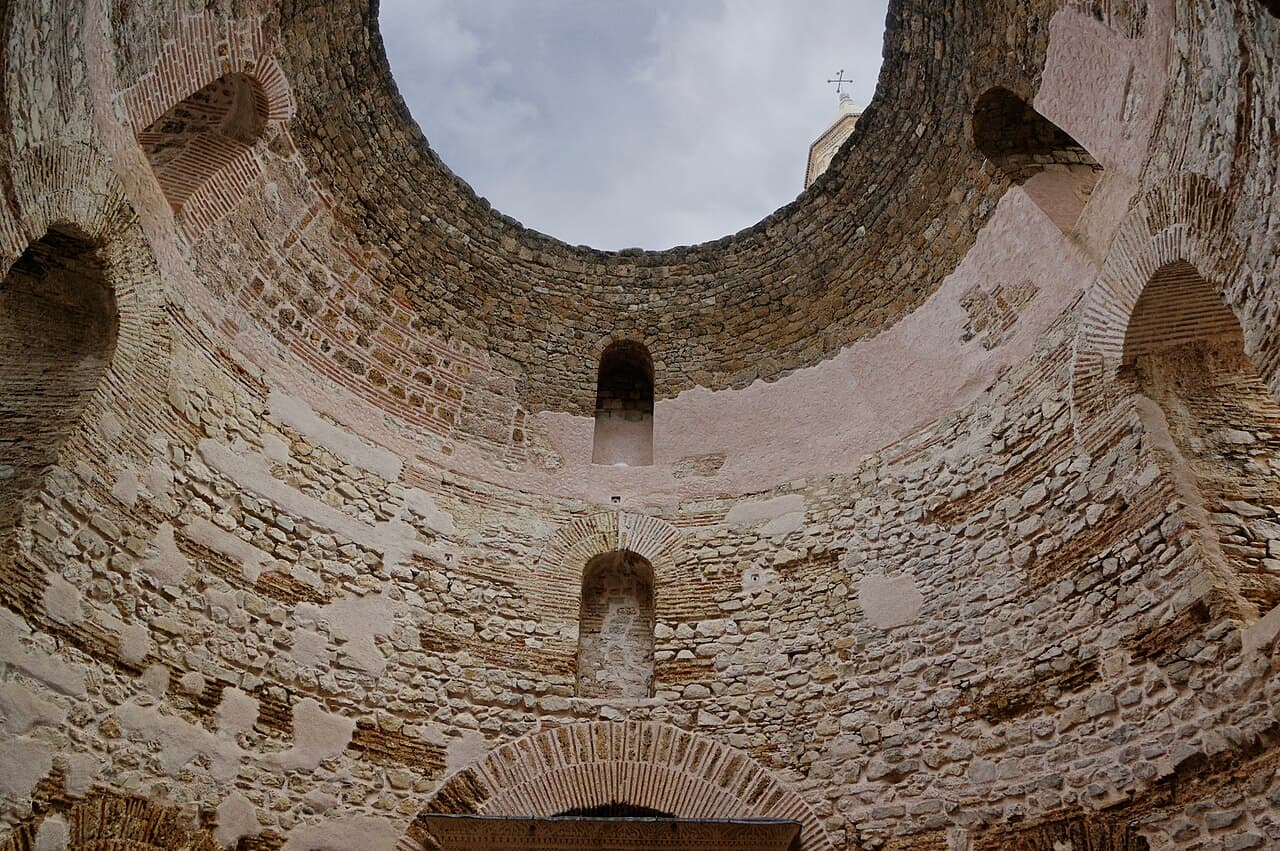
- The Vestibule
- This impressive, circular, open-topped hall was the formal entrance to the residential part of the Palace. Today, you'll often find local Klapa groups singing a cappella here, their voices echoing beautifully off the ancient stone.
- The Palace Cellars (Podrumi)
- These vast, subterranean halls once supported the Emperor's private apartments above. Today, they are remarkably well-preserved and host markets, art exhibitions, and events. Part of the cellars were famously used as a filming location for Game of Thrones.
- Price
- Approx. €10 for entry to the main archaeological section.
- Opening Hours
- 9:00 AM - 9:00 PM (Summer).
Insider Tip: Find the 'Let Me Pass' Street
Search for a tiny alleyway next to the Temple of Jupiter called Pusti me proć ('Let Me Pass'). It is one of the narrowest streets in the world, just wide enough for one person to squeeze through, showcasing the dense, medieval urban fabric that grew within the palace walls.
03Split's Best Beaches: Sun, Sea, and Scenery
While Croatia is known for its pebble beaches, Split offers a variety of options easily accessible from the city center.
Bačvice Beach: The Urban Hotspot
This is Split's most famous and busiest beach, located just a 1 km (15-minute walk) east of the ferry port. It is one of the few sandy beaches in the area, with shallow, warm water perfect for families. Bačvice is also the birthplace of picigin, a unique local ball game played in the shallows.
- Rating
- 4.1★
- Facilities
- Numerous cafes, restaurants, and nightclubs line the bay.
- Cost
- The beach is free; sunbed and umbrella rental is approx. €20-25 per day.
Kašjuni Beach: Chic and Scenic
Located on the southern slopes of Marjan Hill, about 3 km from the Old Town, Kašjuni is one of Split's most beautiful and trendy beaches. This pebble beach offers crystal-clear water and stunning views. The western end is home to Joe's Beach Lounge & Bar, a popular spot for cocktails and music.
- Rating
- 4.5★
- Getting There
- Reachable by bus line 12 or a 30-40 minute walk.
- Cost
- Sunbed rental at the beach club can be €30-40 for a set.
Bene Beach: A Pine-Shaded Retreat
Situated on the northern side of Marjan Hill, Bene Beach is a rocky beach located among pine trees that provide natural shade. It's a favorite with locals and families, featuring a restaurant, tennis courts, and a playground. The rustic, natural setting makes it a peaceful escape from the city heat.
- Rating
- 4.4★
- Getting There
- Part of the car-free zone of Marjan Park. Take bus line 12 to the last stop and walk 15 minutes, or use the tourist train from the Riva.
04Marjan Hill: Split's Green Lung
Towering over the city, Marjan Forest Park is an essential part of Split's identity. It's a vast green space crisscrossed with walking and cycling trails, offering a perfect natural escape.
Hiking and Viewpoints
The main path leads up to a viewpoint called Vidilica, about a 15-minute walk from the Old Town. Here you'll find a café (Caffe Bar Vidilica) with a terrace offering arguably the most iconic photo opportunity of Split, overlooking the harbor, the Palace, and the surrounding islands.
Secluded Chapels and Beaches
Beyond the main viewpoint, the park is dotted with medieval chapels, hermit caves, and more secluded swimming spots. A walk or bike ride around the entire peninsula (approx. 8 km) is a fantastic way to spend half a day.
05Island Hopping from Split: A Gateway to Paradise
One of Split's biggest advantages over Istria is its role as the primary hub for exploring the Dalmatian islands. Fast catamarans and larger car ferries depart from the main harbor all day long.
Hvar: The Glamorous Neighbor
Hvar is known for its glamorous nightlife, stunning Venetian architecture, and lavender fields. Hvar Town is the main hub, but the island also offers quieter villages and the beautiful Pakleni Islands archipelago just offshore.
- Ferry
- Jadrolinija or Kapetan Luka catamarans take approx. 60-75 minutes.
- Price
- One-way passenger ticket is €15-25.
Brač: Home of Zlatni Rat
Brač is famous for Zlatni Rat (Golden Horn) beach, a unique V-shaped pebble spit that changes shape with the winds and currents. The island is also home to Vidova Gora, the highest peak in the Adriatic islands (780m), offering incredible views.
- Ferry
- Jadrolinija car ferry to Supetar takes 50 minutes.
- Price
- One-way passenger ticket is approx. €6-8.
Vis: Authentic and Unspoiled
Further out and less developed due to its history as a military base, Vis offers a more authentic, tranquil Croatian experience. It's a foodie paradise known for its fishing traditions and unique grape varieties. The nearby island of Biševo is home to the world-famous Blue Cave.
- Ferry
- Jadrolinija car ferry takes about 2 hours and 20 minutes.
- Price
- One-way passenger ticket is approx. €8-10. Blue Cave tours from Split cost €80-120.
06Practical Information for Your Split Trip (2027 Data)
Average Costs in Split
Split is more affordable than Dubrovnik but can be pricey in peak season. Expect prices to be 10-20% higher within the Palace walls.
- Espresso
- €2.00
- Local Beer (0.5L)
- €4.00 - €5.50
- Scoop of Gelato
- €2.50
- Pizza Margherita
- €10 - €14
- Mid-range Apartment (per night)
- €100 - €250 (July/August)
- Seafood Dinner for two (with wine)
- €80 - €130
Getting Around Split
The Old Town and Palace area are entirely pedestrianized and best explored on foot. For beaches like Kašjuni or Bene, local buses are efficient. A single bus ticket costs around €2 if bought from a kiosk (tisak) or €2.50 from the driver. Uber and Bolt are also widely available and affordable.
Best Time to Visit
The best time to visit Split is during the shoulder seasons: May, June, and September. The weather is warm and sunny, the sea is pleasant for swimming, and the crowds are smaller than in the peak months of July and August. Prices for accommodation and flights are also significantly lower.
07Split vs. Istria: A Final Verdict
Your choice ultimately depends on your travel style.
Choose Split if:
- You want to use one city as a base for island hopping.
- You are fascinated by Roman history and want to stay within a UNESCO site.
- You enjoy a bustling, energetic city atmosphere with a vibrant nightlife.
- You want easy access to famous beaches and natural parks.
Choose Istria if:
- You are a foodie interested in truffles, olive oil, and wine tours.
- You prefer road-tripping between charming, medieval hilltop towns.
- You enjoy a more rustic, Italian-influenced culture and landscape.
- You prefer quieter coves and large, self-contained resorts over city beaches.
Split offers an exceptional combination of history, culture, nature, and adventure. It's a city that lives and breathes its past while looking firmly towards the sea and the islands that define its present. For many travelers, this dynamic energy makes it the undeniable heart of the Croatian coast.


