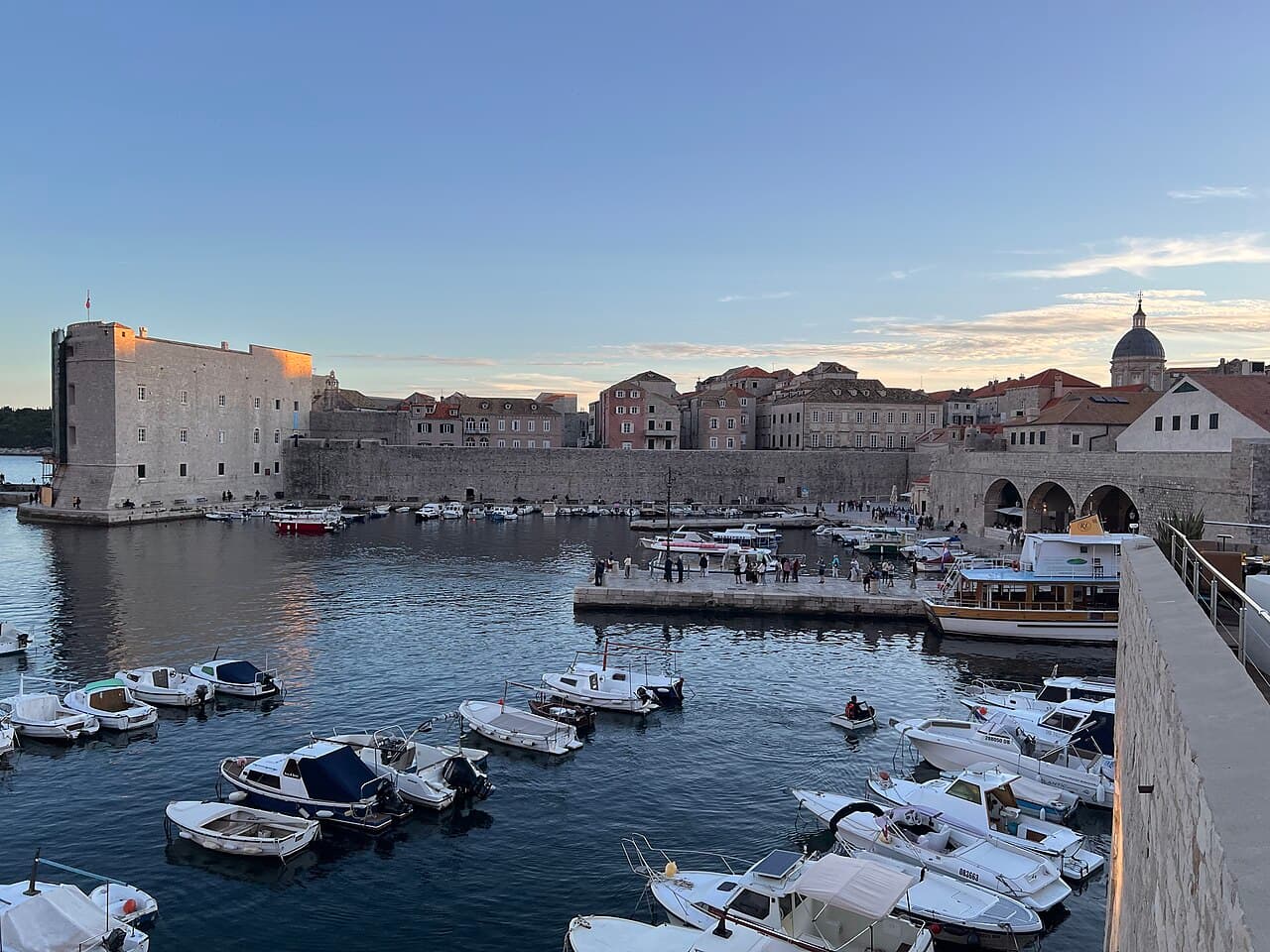
A Culinary Journey Through Dubrovnik: The Pearl of the Adriatic
Dubrovnik is more than just its stunning city walls and historic streets; it's a gateway to the rich, sun-drenched flavors of Dalmatian cuisine. The city's food culture is a direct reflection of its geography: fresh seafood from the clear Adriatic, robust meats from the hinterlands, and vibrant produce grown under the Mediterranean sun. Influenced by centuries of Venetian, Ottoman, and Austrian rule, Dubrovnik's culinary identity is both distinctly Croatian and uniquely its own. This guide explores the essential dishes, best restaurants, and local secrets you need to eat like a true local in 2027.
01What are the Must-Try Dishes in Dubrovnik?
To truly experience Dubrovnik, you must taste its history. These traditional dishes are found on menus from humble konobas (taverns) to fine-dining establishments. They tell the story of a city that has always cherished fresh, local ingredients.
Crni Rižot (Black Risotto)
This is arguably the most iconic dish of the Dalmatian coast. Crni Rižot gets its dramatic black color and intense, savory flavor from cuttlefish ink. The risotto is slow-cooked with cuttlefish or squid, garlic, olive oil, and red wine, resulting in a creamy, rich dish that tastes of the sea. Don't be alarmed by its appearance; one bite is enough to understand why it's a local obsession. Expect to pay between €18 and €28 for a serving.
Ispod Peke (Food Cooked 'Under the Bell')
Peka is not a dish but a traditional method of cooking that embodies Croatian hospitality. Meat (typically veal, lamb, or chicken) or octopus is placed in a large metal pan with potatoes and vegetables. The pan is then covered with a heavy, dome-shaped lid called a 'peka' and buried in hot embers. It's slow-cooked for several hours, making the meat incredibly tender and flavorful.
Insider Tip: Peka is a communal meal that takes 3-4 hours to prepare. You must order it at least 24 hours in advance from a traditional 'konoba'. Konoba Dubrava, located on Mount Srđ about 4 km from the Old Town, is famous for its authentic peka experience.
Pašticada (Dalmatian Beef Stew)
Often served at celebrations and family gatherings, Pašticada is a complex and beloved stew. A prime cut of beef (usually topside) is marinated for at least 24 hours in vinegar, wine, and herbs. It's then seared and slow-cooked for hours with root vegetables, prunes, cloves, and prošek (a sweet dessert wine). The result is a thick, sweet-and-sour gravy with fork-tender meat, traditionally served with homemade gnocchi. It's a true taste of Dalmatian comfort food.
Zelena Menestra (Green Stew)
This ancient dish dates back to the Dubrovnik Republic. Zelena Menestra is a hearty, rustic stew made from a mixture of smoked meats (pork, bacon, sausages) and various types of cabbage and leafy greens. It's a simple, powerful dish that was historically a staple for peasants and soldiers. Today, it's a celebrated part of Dubrovnik's culinary heritage, perfect for a cooler day.
Fresh Oysters from Ston
Just an hour's drive (around 55 km) from Dubrovnik lies the town of Ston, world-famous for its oysters. The unique mineral composition of the water in the Bay of Mali Ston gives the oysters a distinct, sought-after flavor. In Dubrovnik, you can find fresh Ston oysters served raw with a squeeze of lemon. For the freshest experience, visit Restaurant Kamenice in the Old Town's Gundulićeva Poljana market square. A single oyster typically costs between €2.50 and €4.
Rožata (Dubrovnik Custard Pudding)
For dessert, you cannot leave Dubrovnik without trying Rožata. This creamy custard pudding is the city's answer to crème brûlée or flan. It's made with eggs, milk, and sugar, but its signature flavor comes from a local rose-flavored liqueur called 'Rozalin'. The pudding is baked and served chilled, drizzled with a rich caramel sauce. It's a light, fragrant, and elegant end to any meal.
02Where to Eat: Best Restaurants for Local Food
Dubrovnik's dining scene ranges from budget-friendly street food spots to Michelin-starred establishments. Here are top recommendations for an authentic taste of the city.
For Traditional 'Peka': Konoba Dubrava
As mentioned, this is the place for peka. Situated in Bosanka village on the hills above the city, it offers a rustic escape.
- Specialty
- Lamb or Veal Peka
- Price
- Peka for two is approximately €50-€70. A taxi from the Old Town costs about €15.
- Rating
- 4.6★
- Hours
- 12:00 - 23:00 daily (reservations essential, especially for peka).
For Rediscovered Classics: Restaurant Kopun
Located in a quiet square in the Old Town, Kopun focuses on historical Croatian recipes. Its namesake dish, 'Kopun' (castrated rooster), is prepared according to a 16th-century recipe. It's the perfect place to try dishes you won't find elsewhere.
- Specialty
- Kopun with gnocchi, Pašticada.
- Price
- Mains range from €25-€40.
- Rating
- 4.5★
- Hours
- 11:00 - 23:00 daily during the tourist season.
For Quick & Fresh Seafood: Barba
This tiny spot in a narrow Old Town alley is a game-changer for fast, casual dining. Barba serves creative seafood street food, like octopus burgers and fried calamari cones. It's perfect for a delicious, affordable lunch.
- Specialty
- Octopus Burger, Fried Oysters.
- Price
- Most items are between €10 and €20.
- Rating
- 4.7★
- Hours
- 11:00 - 22:00 daily.
For Oysters & People-Watching: Kamenice
Literally meaning 'oysters', this no-frills restaurant on the main market square is a Dubrovnik institution. It serves simple, fresh seafood dishes at reasonable prices. The fried calamari and black risotto are also excellent.
- Specialty
- Fresh Ston Oysters, Mussels Buzara.
- Price
- Mains are typically €15-€25.
- Rating
- 4.3★
- Hours
- 10:00 - 23:00 daily.
For Fine Dining with History: Proto Fish Restaurant
Established in 1886, Proto is one of Dubrovnik's most respected seafood restaurants. It offers a refined dining experience with impeccable service, focusing on high-quality fish and traditional recipes presented with a modern flair.
- Specialty
- Fish of the Day baked in salt, Grilled Scampi.
- Price
- Mains start at €40, with fresh fish priced by weight.
- Rating
- 4.4★
- Hours
- 12:00 - 23:00 daily.
03Local Markets & Street Food Finds
To eat like a local, you must visit where the locals shop. Dubrovnik's markets are a feast for the senses.
Gundulićeva Poljana Market
Located in the heart of the Old Town, this vibrant open-air market is held every morning except Sunday. From 07:00 to around 13:00, you'll find local farmers selling fresh fruits, vegetables, honey, dried figs, and homemade spirits. It's the best place to buy 'arancini' (candied orange peel), a traditional Dubrovnik sweet.
Gruž Market
For a more authentic and larger market experience, head to Gruž Port, about 3 km from the Old Town. This is the city's main market, where you'll find a huge selection of produce and, most importantly, the fish market (ribarnica).
Insider Tip: For the best selection of fresh fish, visit the Gruž fish market early on a Tuesday or Friday morning, as this is when local fishermen bring in their best catch.
04Croatian Wines and Local Drinks
A meal in Dubrovnik is incomplete without a glass of local wine. The nearby Pelješac peninsula and the island of Korčula are two of Croatia's most important wine regions.
- Plavac Mali
- This is the king of Croatian red wines. It's a robust, full-bodied red with notes of dark cherry and spice, similar to Zinfandel (to which it is genetically related). It pairs perfectly with pašticada or grilled meat.
- Pošip
- A crisp, aromatic white wine primarily from the island of Korčula. With notes of apple, citrus, and a hint of almond, it's the perfect companion for fresh fish and oysters.
- Rakija
- This potent fruit brandy is the national spirit. You'll find many varieties, but the most common are Loza (grape), Travarica (herb-infused), and Orahovica (walnut). It's typically consumed as an aperitif or digestif. Be warned – it's strong, often over 40% ABV!
Insider Tips for Foodies in Dubrovnik
- Understand the 'Konoba'
- A 'konoba' is a traditional tavern, typically family-run, serving simple, authentic Croatian food. The atmosphere is more rustic and the prices are often lower than a 'restoran' (restaurant).
- Ask for 'Domaće'
- The word 'domaće' means 'homemade' or 'domestic'. Ask for 'domaće vino' (house wine) or 'domaće maslinovo ulje' (homemade olive oil) for an authentic taste.
- Fish Classification
- High-quality white fish like Sea Bream or Sea Bass is called 'bijela riba' and is often priced by weight (per kg). Cheaper but equally delicious blue fish like sardines and mackerel is called 'plava riba'.
- Book Ahead
- During the peak season (June-August), popular restaurants in the Old Town get extremely busy. It is highly recommended to book a table at least a day or two in advance, especially for dinner.
Dubrovnik's culinary scene is as captivating as its history. By stepping off the main streets and seeking out these traditional flavors, you'll discover the true heart and soul of this magnificent city.