01Best Time to Visit Jelsa: The Verdict
Two windows beat everything else: late May to mid-June and September to early October. Both combine warm weather, a sea that is comfortable for swimming, open restaurants and full ferry timetables, without the peak-summer premium. If only one can be chosen, pick the second half of September: the sea is still warm after a summer of heating, crowds thin out, and prices drop.
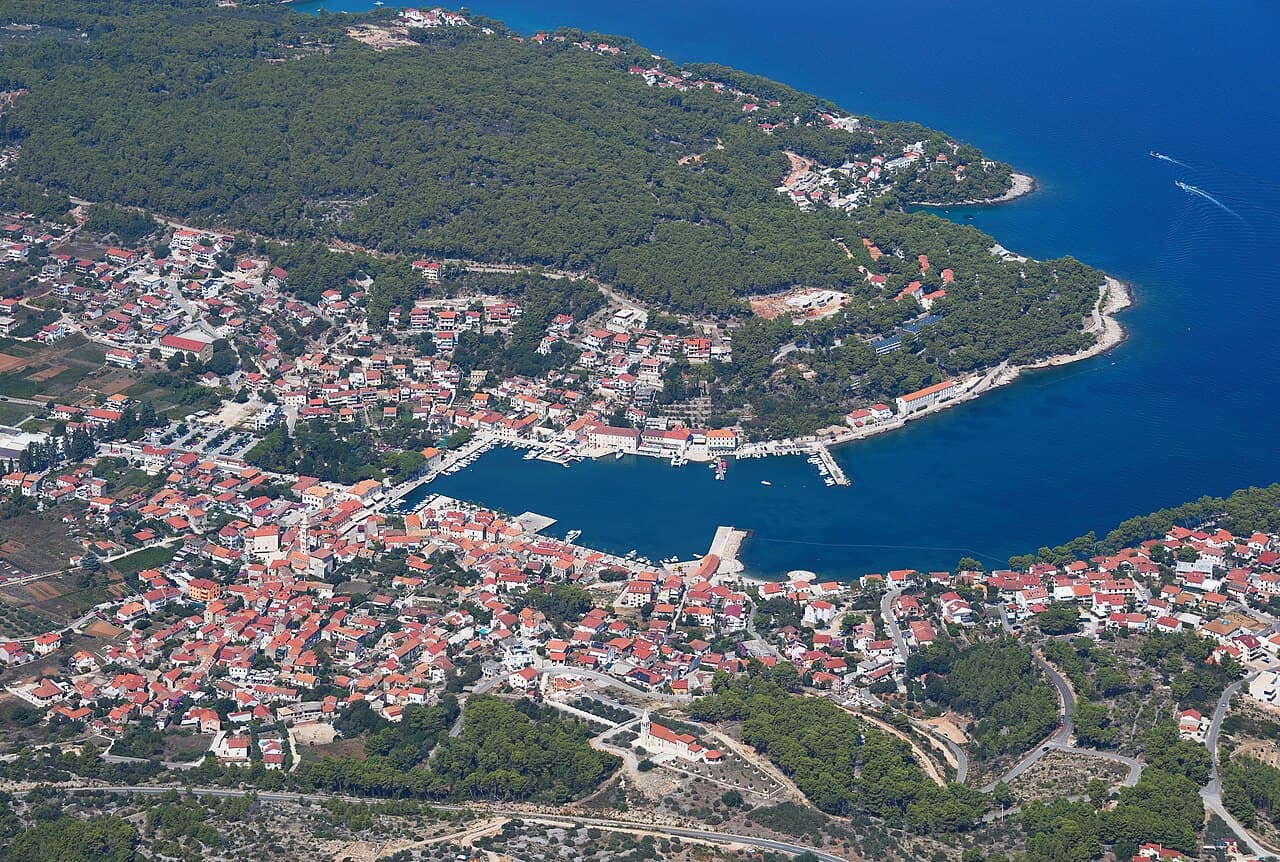
Jelsa suits this approach well. It is a quieter, cheaper and more relaxed base than Hvar Town, and its calm bay and gently sloping beach make it a natural choice for families and slower trips. Visitors who want yachts and nightlife go to Hvar Town. Those who want a harbourfront village with vineyards behind it choose Jelsa.
02How the Seasons Compare: Weather, Crowds and Price
The trade-off in Jelsa comes down to three variables that move against each other.
- Weather
- June to September is reliable for swimming. Tourism sources put sea temperature above 20°C in June and September, and often above 22°C in September. July and August bring serious heat, so activity moves to early morning and evening.
- Crowds
- Hvar island is at its most crowded in July and August. Jelsa is far calmer than Hvar Town even then, but beaches and harbour restaurants fill up.
- Price
- Peak summer is the most expensive period. Winter is the cheapest, but most of the tourism infrastructure slows down.
The shoulder seasons are the only periods when all three variables are acceptable at once.
03Best Time by Travel Style
Beach holiday
Late June and September give the best balance. The beaches are usable, and Mina, the main beach about a 10-minute walk from the centre, is partly sandy and gently sloping. That makes it popular with families, and it is much easier to find space there outside July and August.
Hiking and cycling
April to May and September to October are the standard recommendation. Trails through vineyards, olive groves and pine forest are comfortable in these months, while summer heat makes midday exercise unpleasant.
Wine and food
September and October coincide with the grape harvest around Jelsa, and wineries and local wine and olive events are active in the autumn. The Jelsa wine fair (Fešta vina) is usually held in August, which is the main reason to accept peak-season conditions.
Festivals and atmosphere
Summer has the most going on. The Jelsa Summer Festival and the Antun Dobronić Evenings (music, theatre and literature, named after the composer born in Jelsa) take place in the warmer months. The "Follow the Cross" procession during Holy Week and the February carnival are the main off-season cultural draws.
Lowest budget
Winter, particularly January to March and December, has the lowest hotel rates. Expect a very quiet town and limited transport and dining.
04Don't Believe the Peak-Summer Hype
Jelsa does not need July or August to feel alive. The idea that the island is only worth visiting at its busiest does not hold here. Early June and mid-to-late September deliver the same swimming, evening promenade life and boat trips for noticeably less money and with far more room on the beach. The only strong reason to go in peak season is a fixed school holiday or the August wine fair.
05Getting to Jelsa: Seasonal Ferry Costs
Ferry pricing also changes with the season. For 2026, the high-season tariff on Jadrolinija's Split–Stari Grad car ferry (line 635) applied from 29 May to 27 September.
- Car ferry Split–Stari Grad
- about 1 h 50 min. Adult fare is €8.40 in high season and €5.90 outside it. A standard car costs about €47.60 in high season and about €35.60 off-season. Stari Grad is roughly 25 minutes by road from Jelsa.
- Catamaran line 9603 (Split–Bol–Jelsa)
- about 1 h 35 min to Jelsa on some sailings, with others routed via Stari Grad. Fares are €10.00 in high season and €6.40 off-season, and €4.40 for children aged 3 to 12.
- Other catamarans to Hvar Town
- these need a road or bus transfer to Jelsa.
A driver whose crossing falls outside the high-season dates saves roughly €12 each way on the car fare. Fares and timetables change every year, so check the current Jadrolinija schedule for 2027 before booking. Last departures are early in winter, so winter trips need tighter planning.
06Local Tips for Timing a Trip
- Book the Jelsa catamaran early. Line 9603 has very few daily departures, so the schedule can decide the arrival day. The Stari Grad car ferry runs several times a day all year and is the dependable fallback.
- Aim for the second half of September for the best combination of sea warmth and lower prices. Early October is still pleasant but some seasonal businesses start to close.
- Check opening dates for restaurants and boat trips before visiting in April, early May or late October. Many places open or close within those windows.
- In July and August, book accommodation well ahead, swim early and use the hottest hours for a siesta or a boat trip.
- Check hotel offers for autumn. Some hotels in Jelsa publish autumn packages, which can make September and October stays good value.
07Who Should Avoid Which Season
- Beach-focused travellers should skip November to March.
- Travellers on a tight budget or sensitive to heat should skip July and August.
- Visitors who want nightlife and large-scale events are better suited to Hvar Town than to Jelsa in any season.