01Is Jelsa Good for Seniors?
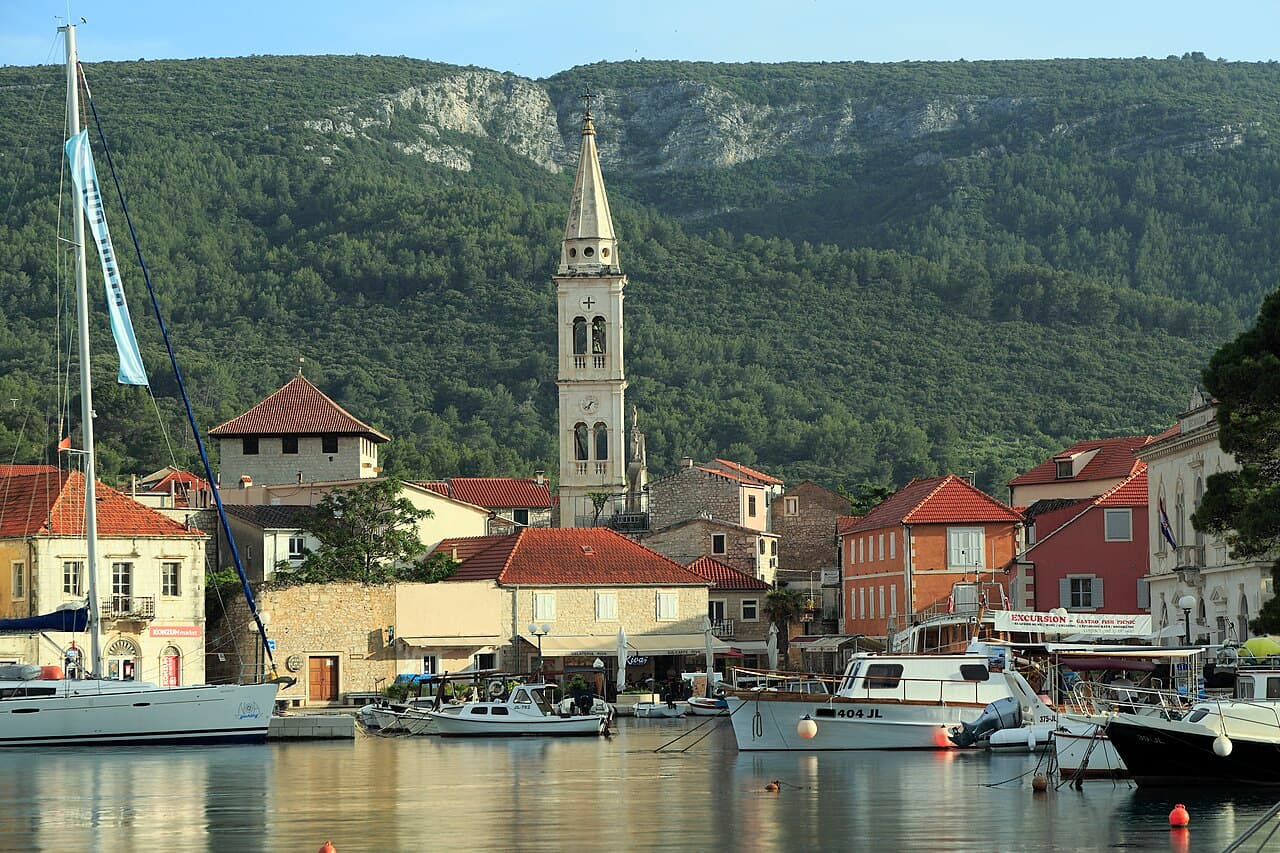
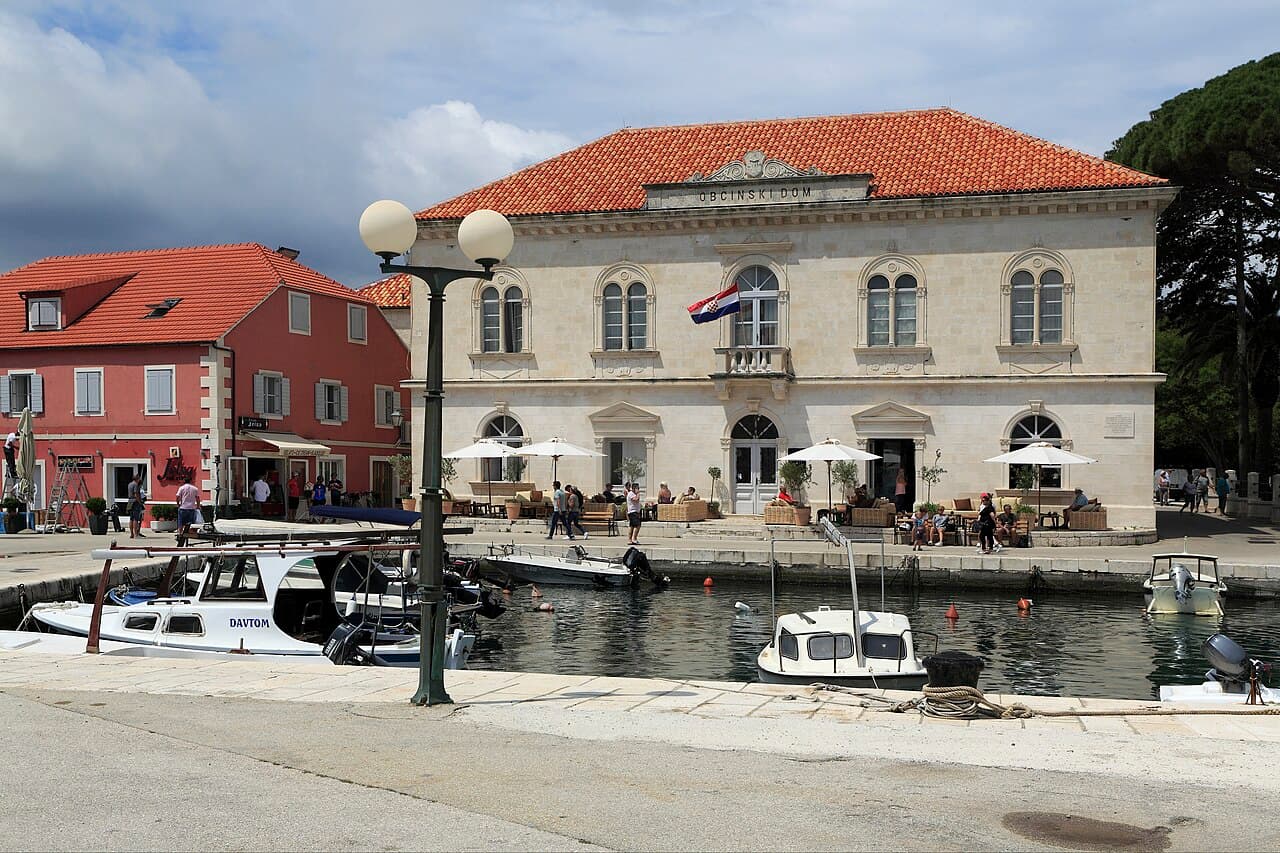
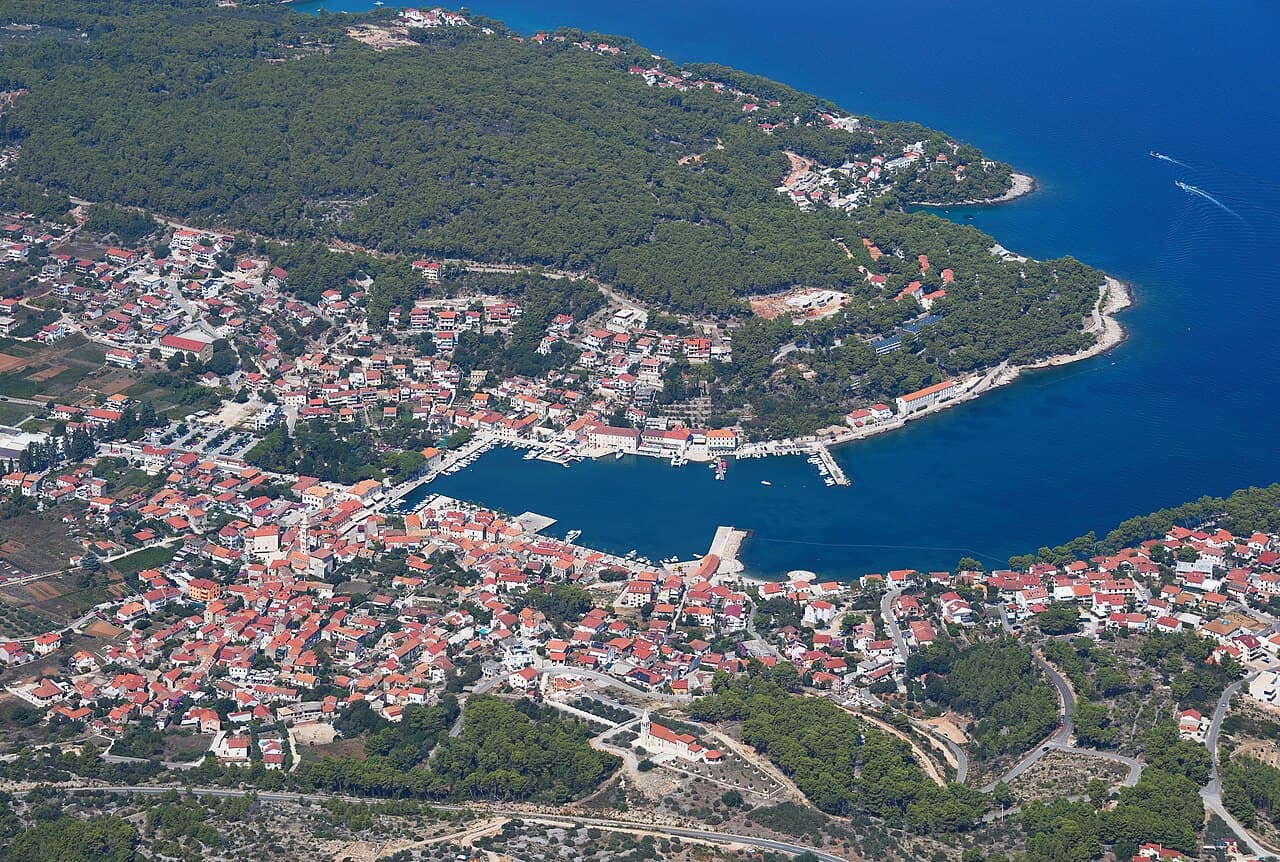
Jelsa is one of the easier towns on Hvar for older travellers. The centre is small, and the waterfront, main square and most restaurants lie within a few hundred metres of each other. Hvar Town is busier, with more stairs and a heavier party crowd in summer. Jelsa is calmer and has pine-shaded walking paths along the coast.
The main limits are stone steps in the older streets, uneven polished-stone paving that turns slippery when wet, and thin public transport in the evenings.
02Getting to Jelsa With Limited Mobility
Option 1: Car ferry to Stari Grad (best for most seniors)
The Jadrolinija car ferry from Split to Stari Grad (line 635) has far more daily departures than the direct Jelsa service. The saloon has seating and room to walk, and the top deck is partly covered. Foot-passenger tickets cost about €5.90–8.40 depending on the season, and the bus to Jelsa is extra. From the ferry port, Jelsa is about 10.5 km away. Buses run on a schedule tied to ferry arrivals, and the ride takes about 16 minutes. A taxi costs about €20 and takes 10-15 minutes.
Option 2: Catamaran direct to Jelsa
Jadrolinija catamaran line 9603 runs Split to Bol to Jelsa. It sails only once a day, in the afternoon, so it suits few flight times. Catamarans are passenger-only and offer basic accessibility features. Boarding requires a ticket and original photo ID.
Option 3: Catamaran to Hvar Town
This route has the most sailings. Jelsa is then about 20 km and 35 minutes away by bus, or roughly 30 minutes by taxi. Expect a taxi fare well above the Stari Grad one.
Bus timing warning
Buses on Hvar (operated by Čazmatrans) are limited. On the off-season timetable, the last bus from Jelsa to Stari Grad leaves in the mid-afternoon, and the last ferry-port bus to Jelsa is at 22:15. Book a taxi for late arrivals instead of relying on the timetable. Check the current timetable on the day of travel, because schedules change by season.
03Getting Around Jelsa
- Waterfront promenade
- Flat and paved. It runs from the harbour past the main square and along the coast. This is the easiest walking route in town.
- St John Square (Trg Sv. Ivana)
- The central square sits near the harbour, with a church and cafés. Access is level from the waterfront.
- Old quarter lanes
- These are narrow, stepped and steep in places. Use a walking stick with a rubber tip.
- Beach paths
- The path to Mina beach from the centre is about 300 m and manageable. The pine-shaded coastal walk is the best gentle exercise option.
- Vrboska
- The neighbouring village is about 2 km away by road or coastal path. It has a small, flat harbour and is easy to reach by short taxi ride.
Public transport inside Jelsa itself is not needed, because the centre is compact. A taxi to outlying places costs from about €10.
04Where to Stay: Accessibility Considerations
Jelsa has only a few hotels. Hotel Hvar is a 3-star property about 10 minutes' walk from the main square, with on-site parking and a position 300 m from Mina beach. Fontana Resort is on a hillside, with a 7-minute walk down to the sea. That slope matters: the return walk is uphill. Villa Riva is a 4-star guesthouse a 5-minute walk from St John Square. Aminess Senses Hvar Resort in Vrboska has a seasonal pool and free parking.
Seniors should ask any property about step-free entrance, lift access, a walk-in shower and the gradient between the property and the waterfront before booking. Private apartments often have stairs without lifts, and many do not state this in listings.
05Beaches and Swimming
Most of Jelsa's beaches are pebble or concrete platforms with ladders. Entry on pebbles can be uncomfortable without water shoes. A sandy beach is about 2 km from the town centre. Swimming from the town's concrete platforms with ladders is the easiest option for those who cannot walk well on loose stones. Shade is available under the pines, which matters in July and August when temperatures can exceed 30°C.
06Best Season for Older Travellers
May, June, September and early October offer warm sea and moderate daytime heat. Rates at the open hotels start near €70 in shoulder season and rise to €135-170 at peak. July and August bring heat, crowded ferries and a 1.5-hour recommended arrival margin for vehicles at ferry ports.
07Insider Tips
- Take the Stari Grad car ferry, not the catamaran. The Jelsa catamaran is the shortest route on paper, but one sailing a day makes it unreliable.
- Pre-book the taxi from the ferry port. Spaces are limited when a ferry docks, and the €20 fare to Jelsa is fixed in practice.
- Walk the promenade in the morning or after 18:00. Shade drops and the stone surface gets hot in the afternoon.
- Pack a stick or light walking pole. The stone paving is polished by foot traffic and slippery after rain.
- Keep medication and ID in carry-on bags. Ferry check-in requires original ID.
08Healthcare and Practical Notes
Jelsa has a small health centre for basic care. Serious cases go to Split by sea or helicopter, and the main hospital is on the mainland. EU visitors should carry the European Health Insurance Card, and others should hold travel insurance covering island evacuation. Pharmacies are in the centre.
The claim that Jelsa is fully wheelchair friendly is overstated. The waterfront is fine, but the old quarter, many stepped beach entrances and hillside hotels are not. Wheelchair users should stay near the harbour and confirm access in writing before booking.