01How Much Does Lošinj Cost in 2027?
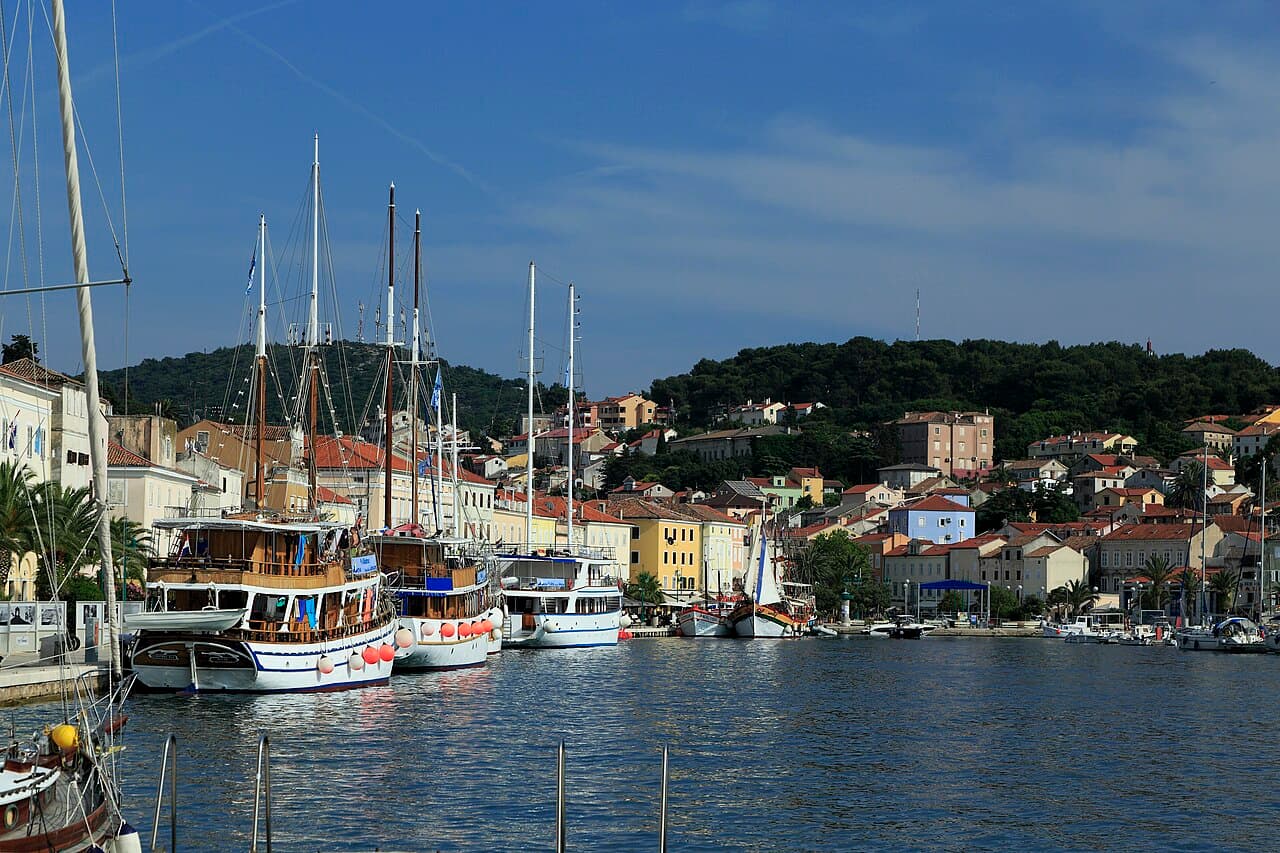
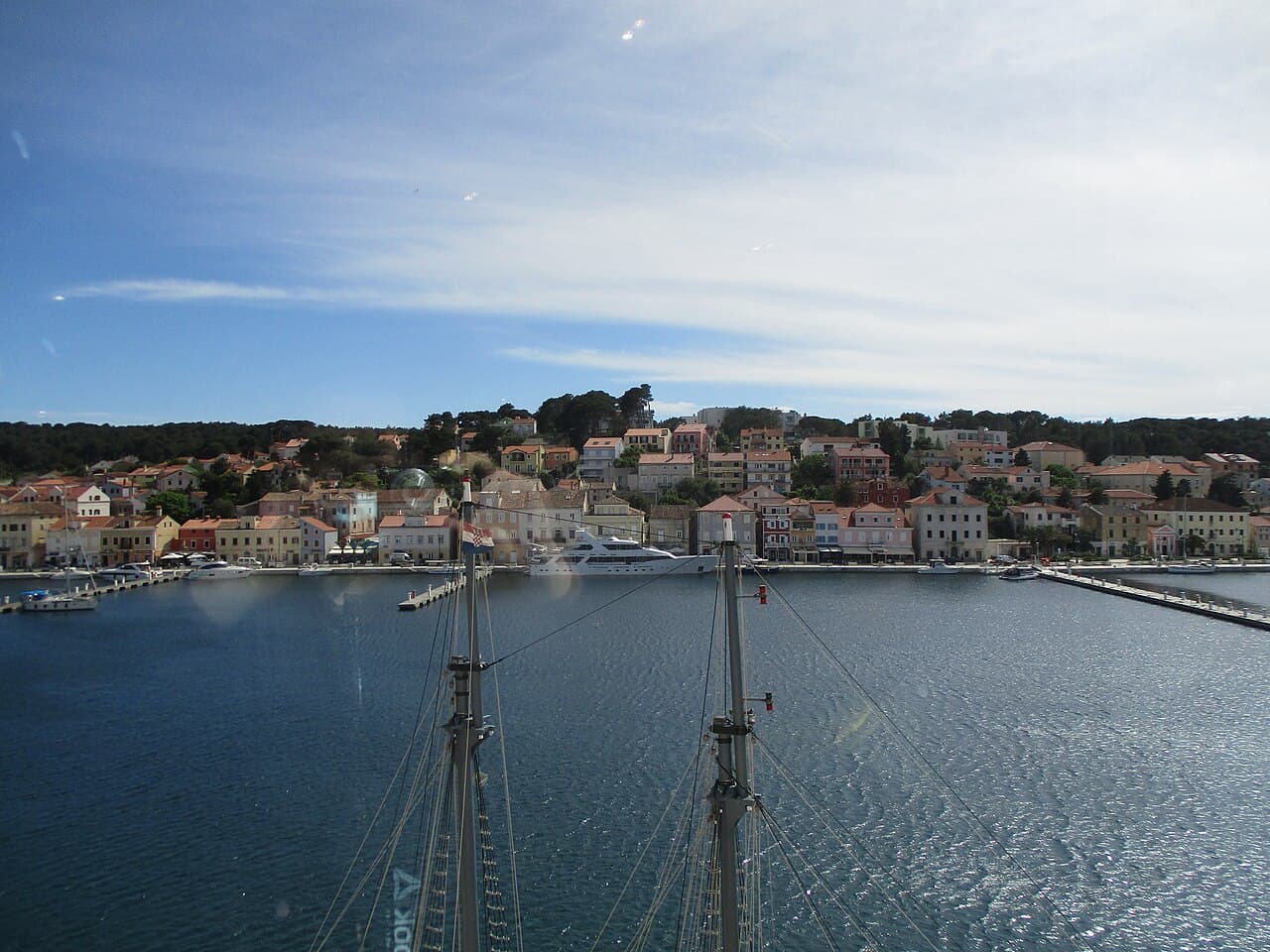
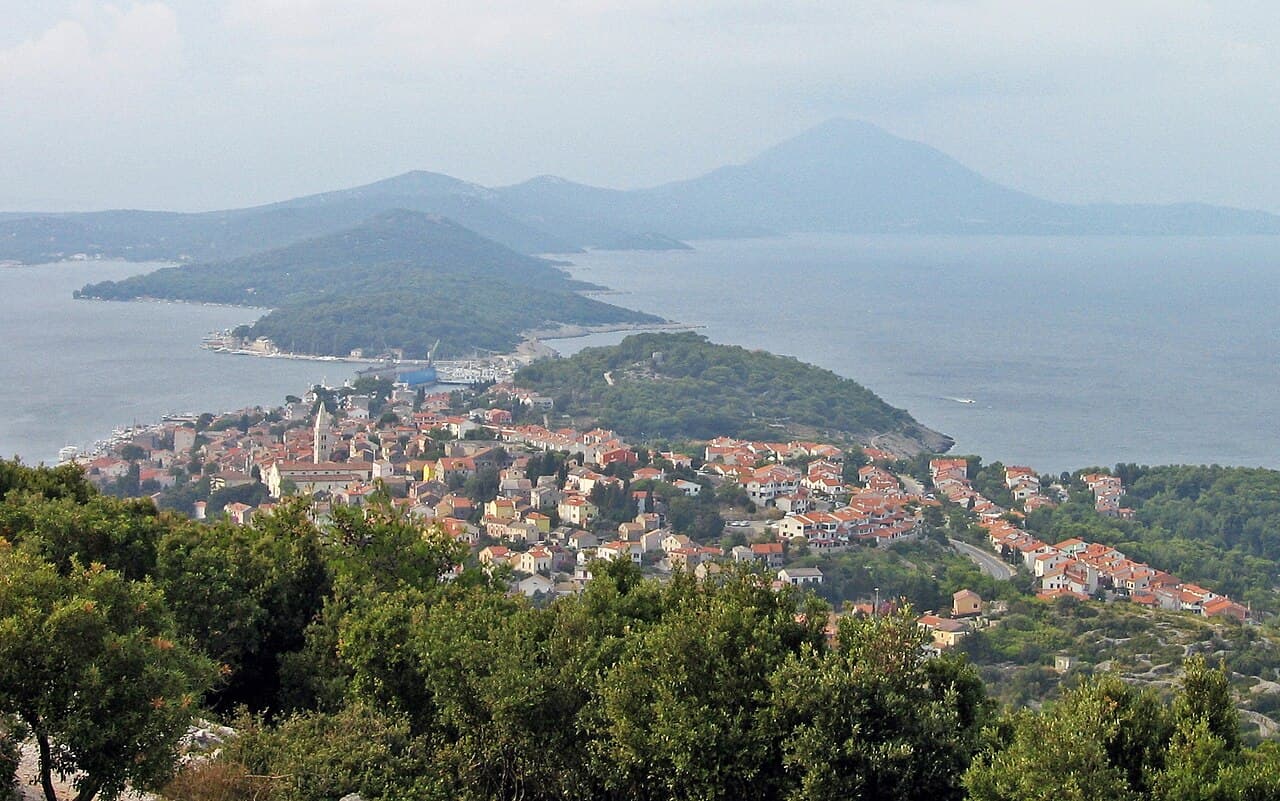
Lošinj is a mid-priced Adriatic island. It costs less than Hvar or Dubrovnik but more than inland Croatia, and prices climb sharply from July to August. Mali Lošinj, the main town, has the most hotels, restaurants and the ferry port. Veli Lošinj is smaller and quieter, and it is priced a little higher for waterfront stays. Nerezine, Artatore and Ćunski are cheaper bases.
The figures below are 2026 price levels. The 2027 numbers are projections of 3–6% growth, which is in line with recent Croatian tourism inflation. They are estimates, not published tariffs.
02How Prices in Lošinj Have Changed Recently
Since Croatia adopted the euro in 2023, island prices have moved up steadily. Accommodation rose the most, followed by restaurants and cafés. Public transport fares changed far less, because Jadrolinija fares are regulated and are still modest.
- Hotels
- Booking-platform averages for Mali Lošinj put 3-star hotels at roughly €115–140 per night and 4-star hotels at roughly €240–270. Five-star stays average above €500.
- Apartments
- Typical summer rates run €95–220 per night for two-bedroom units near the promenade and bays. Smaller studios and rooms start from about €42–70 outside peak weeks.
- Ferries
- The Jadrolinija catamaran fare from Rijeka to Mali Lošinj is €7.90 in low season and €11.50 in high season. That is among the cheapest island transfers on the northern Adriatic.
- Restaurants
- Expect increases of roughly 5–8% a year on grilled fish, pizza and coffee, driven by wages and supplier costs.
Plan on 2027 prices landing at or slightly above 2026 summer rates. The cheapest improvement comes from timing, not from hunting for discounts.
03Accommodation Costs by Type
Hotels
Mali Lošinj hotels include Hotel Aurora and Hotel Apoksiomen at the mid-range end, and Vitality Hotel Punta in Veli Lošinj. Hotel Aurora in Čikat typically sits near €100–185 per night depending on the date. Boutique Hotel Alhambra on Čikat Bay is the luxury benchmark at €400 and up in season.
Apartments and private rooms
Apartments are the most common choice and the best value for groups. Budget a 2027 range of €75–130 per night for a one-bedroom unit in June or September, and €110–240 in July and August. Nerezine and rural Ćunski cost 20–35% less than the Mali Lošinj waterfront.
Hostels
Hostel-style dorm beds are rare on the island and are the cheapest roof when you find one. They fill early in summer, so book months ahead.
Seasonality
August is the high month and September is the lowest-priced month with still-warm sea temperatures. Shoulder months of May, June and late September typically cut accommodation by 25–40% compared with the peak weeks. April and October bring lower prices still, but some restaurants and boat trips close.
04Food and Drink Prices
Restaurant prices on Lošinj follow the island pattern: the harbor fronts cost more, and side streets cost less.
- Espresso: €1.80–2.50
- Pizza or pasta: €10–16
- Grilled fish by weight: €60–90 per kg, so a whole fish for two often reaches €45–70
- Main course in a konoba: €16–28
- Local beer (0.5 l): €4–5.50
- Glass of Croatian wine: €3.50–6
- Bakery breakfast (burek or sandwich): €2.50–4.50
A sit-down dinner for two with wine typically costs €65–110. Self-catering cuts the daily food cost by half. Supermarkets in Mali Lošinj are the cheapest option for groceries, and prices in Veli Lošinj shops run higher.
Skip the waterfront restaurants in Mali Lošinj for dinner on at least half your nights. A short walk from the harbor typically gives the same grilled fish at 15–25% less, and the portion quality is the same.
05Getting to and Around Lošinj
Ferry and catamaran
The fast Jadrolinija catamaran (line 9308) links Rijeka, Cres and Mali Lošinj. A one-way adult ticket costs €7.90 in low season and €11.50 in high season. A child aged 3–12 pays €4.70. The Cres–Mali Lošinj leg costs €5.70 in low season and €9.20 in high season. Sailing time is about 3 hours from Rijeka, and the schedule is limited, with one or two daily runs. Check the exact timetable before booking onward travel.
Smaller passenger boats go from Mali Lošinj to Susak and Unije for around €4.40 one way. Susak is a sandy, car-free island that works as a cheap half-day trip.
Driving with a car
Drivers reach Lošinj via the Valbiska (Krk) to Merag (Cres) car ferry, then drive south across Cres and over the bridge at Osor. A standard car and driver costs roughly €20–25 on the ferry in season, and fuel across Cres adds to that. The drive from Merag to Mali Lošinj is about 70 km. Expect a queue at Valbiska in July and August, so arrive 90 minutes early on weekends.
On the island
The island is only about 30 km long. Mali Lošinj to Veli Lošinj is roughly 4 km and can be walked in about 50 minutes along the coast path, or cycled easily. Scooter rental runs about €45–55 per day. A bike costs far less and covers the whole Čikat-to-Veli Lošinj stretch without trouble.
06Activities and Extras
Beaches are free. The main costs are boat trips, sun loungers and guided tours.
- Sun lounger and umbrella at an organized beach: €10–20 per day
- Half-day boat or dolphin-watching excursion: €45–75 per adult
- Kayak or SUP rental: €10–15 per hour
- Parking in Mali Lošinj: roughly €1–2 per hour in the center during summer, with day passes in some lots
- Tourist tax: charged per person per night and added to accommodation bills; it is higher in July and August
The waters around the island are a protected dolphin area, and the Blue World Institute in Veli Lošinj runs a visitor center and educational programs. Visit it instead of paying for an overpriced "guaranteed dolphin" boat package. No boat can guarantee a sighting, and the visitor center gives better value for families.
07Realistic 2027 Daily Budgets per Person
These figures assume two people sharing a room, in euros, excluding the trip to the island.
Budget: €70–95 per day
A shared apartment or hostel bed (€35–55 per person), a bakery breakfast, groceries for lunch, one cheap dinner or pizza, free beaches and walking. Travel in June or September to hit the bottom of this range.
Mid-range: €130–190 per day
A private apartment or 3-star hotel (€55–90 per person), restaurant lunches and dinners with wine, a sun lounger, a boat trip every few days and a bike rental.
Upscale: €300 and up per day
A 4- or 5-star hotel on Čikat Bay or in Veli Lošinj (€200 per person and up), fish dinners, private boat charters and spa time. The top end is open-ended.
Sample 7-day totals for two
| Style | Shoulder season (June or Sept) | Peak (late July–August) |
|---|---|---|
| Budget | €900–1,200 | €1,300–1,700 |
| Mid-range | €1,600–2,200 | €2,300–3,200 |
| Upscale | €3,500+ | €5,000+ |
08Money-Saving Tips for Lošinj in 2027
- Travel the second and third weeks of September. The sea is still around 22–24°C, and apartment rates fall noticeably from August.
- Choose Nerezine or Artatore over the harbor. The beach access is similar, and the nightly price drops by roughly a quarter.
- Book a full week. Many private hosts cut rates or waive minimum-stay surcharges for 7 nights.
- Pay in cash at small konobas and bakeries. Some very small places still prefer it, though cards are accepted at most.
- Buy ferry tickets for low-season days if flexible. The €3.60 gap between the low and high catamaran fares per leg adds up for a family.
- Reserve the car ferry early for July and August. The vehicle queue wastes more time than money, but it is avoidable.
Don't pay extra for a sea-view hotel room in Mali Lošinj if you plan to spend your days on the water. A balcony view of the harbor costs €30–60 more per night, and most of that day is spent outside anyway.
09Is Lošinj Expensive Compared with Other Croatian Islands?
Lošinj sits in the middle. It is cheaper than Hvar and Korčula in July and August, close to Krk and Rab in price, and more expensive than Pag outside party weeks. Veli Lošinj in particular attracts higher-end guests, but the island still has a broad supply of affordable apartments.
10Final Budget Advice
Set the budget around accommodation first, since it makes up 45–60% of most trip costs. Add €25–40 per person per day for food if self-catering partly, and €50–70 if eating out twice a day. Keep a 10% buffer for 2027 price rises, tourist tax and parking.