01What Are the Best Things to Do in Orebić?
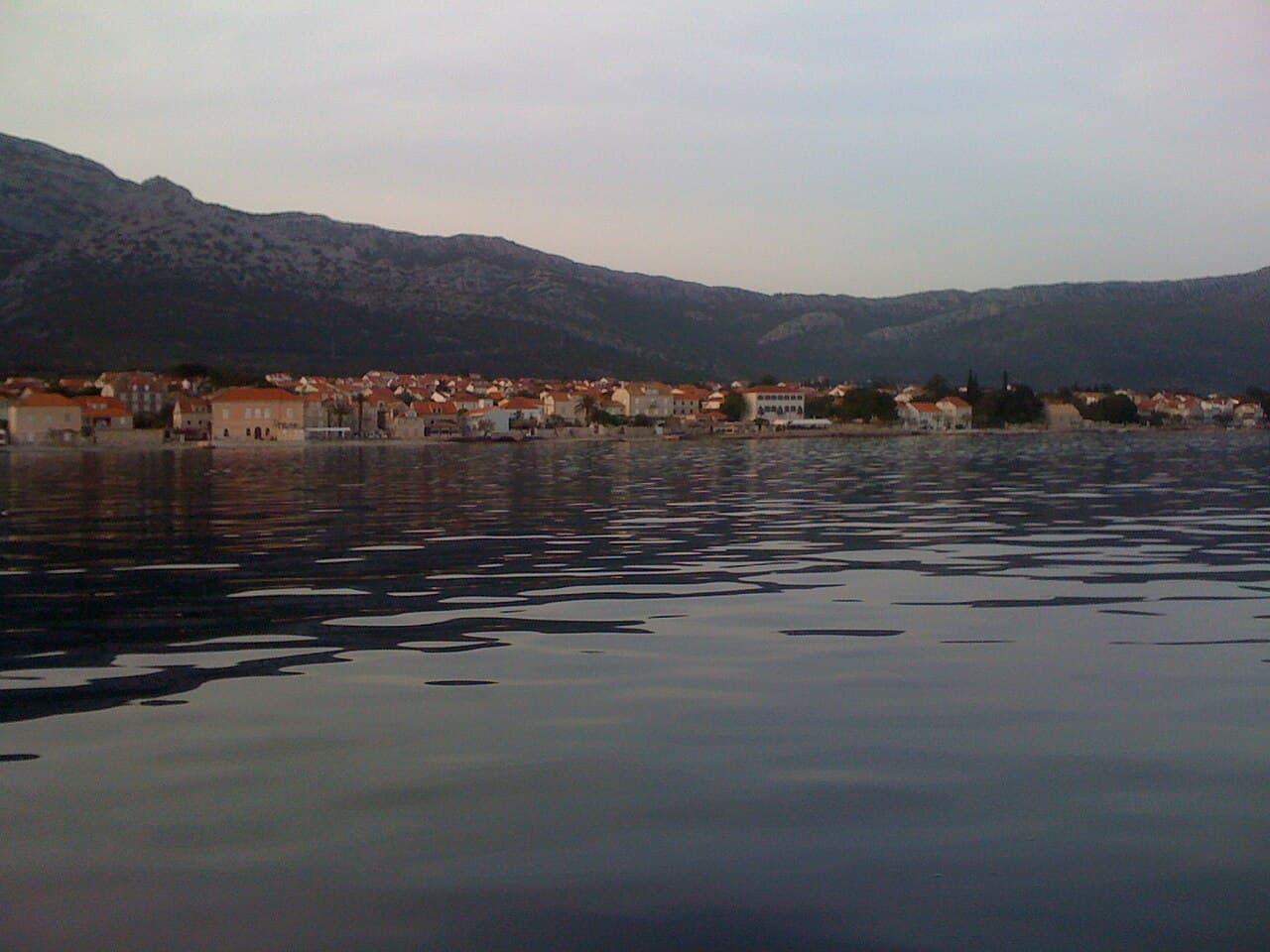
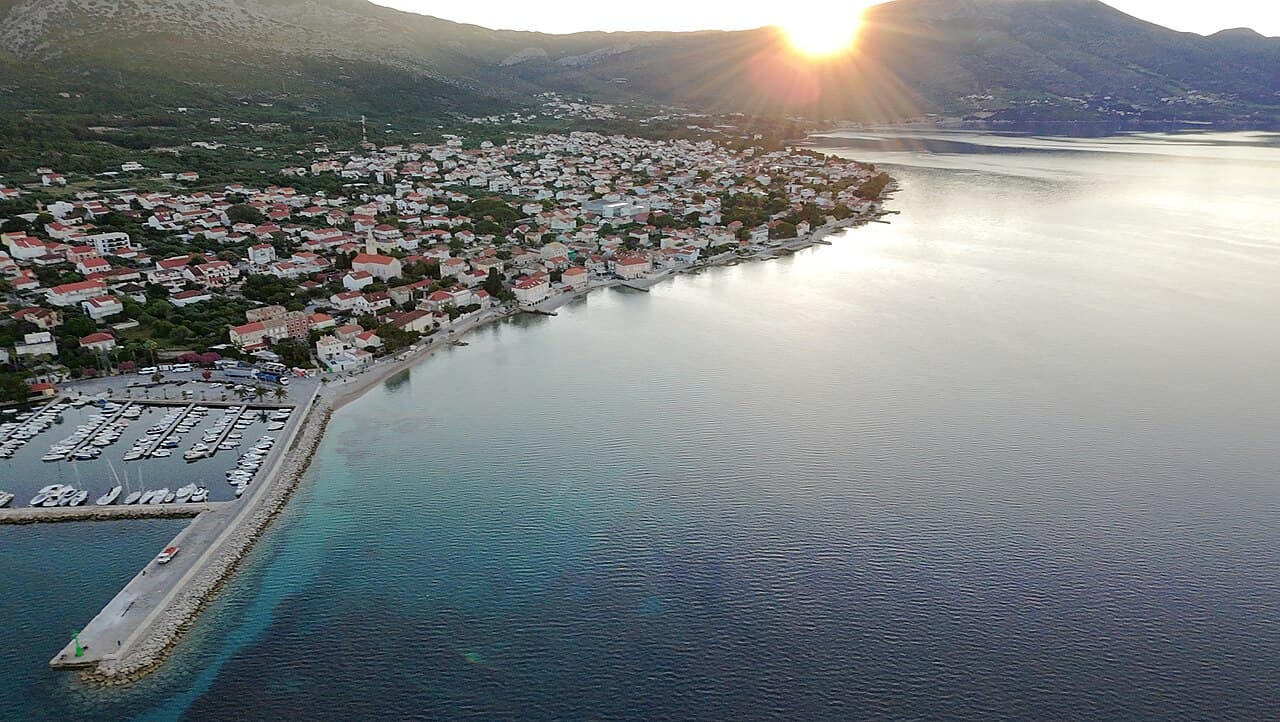
Orebić is the largest town on the Pelješac Peninsula in southern Dalmatia, with about 3,700 residents in the wider municipality. It sits directly across a narrow strait from Korčula Town, at the foot of Mount Sveti Ilija, and is 112 km from Dubrovnik. Its appeal rests on four things: a mountain right behind the town, long pebble beaches, a seafaring past and strong wind for water sports. The sections below rank the main attractions in the order most visitors should plan them.
02Hike Mount Sveti Ilija (961 m)
Sveti Ilija is the highest peak on Pelješac and the town's defining landmark. Marked trails start in Orebić and in the villages of Viganj and Nakovana. The main loop from Orebić to the summit and back via the mountain hut is classed as difficult. It covers roughly 14 km with substantial elevation gain. Allow 5-7 hours for the full round trip.
- Views
- The summit looks over Korčula, Lastovo and the open Adriatic.
- Water
- A mountain hut at about 800 m often sells refreshments, but opening is not guaranteed. Carry at least 2 litres of water per person.
- Terrain
- The upper sections are rocky and exposed. Sturdy hiking shoes are needed, and sandals are not suitable.
- Easier option
- A signed path forks uphill just east of the Franciscan monastery. It gives wide views for a fraction of the effort.
Local tip: Start before 7:00 in summer. The south-facing slope gets very hot by late morning, and trail temperatures in July and August regularly exceed 30°C.
03Swim at Trstenica Beach
Trstenica is the main beach in Orebić. It is about 1 km long and a 10-15 minute walk from the main pier. The shore is a mix of sand and fine pebbles, and the water stays shallow for a good distance, which suits families. Cafés, a small beach bar strip and sunbed rental (typically €10-20 per day for two loungers and an umbrella) sit along the back of the beach.
Perna Beach, a short walk from the centre in the other direction, is a quieter pebble option. Summer water temperatures reach about 24-26°C from July to September.
Local tip: Trstenica fills up between 11:00 and 16:00 in peak season. Arrive before 10:00 for a free spot near the water.
04Visit the Franciscan Monastery of Our Lady of Angels
The Franciscan monastery is the most important historic building in Orebić. It dates to the late 15th century and stands on a rocky ridge on the west side of town, about 160 m above the sea. It was built partly for strategic reasons, because Venice controlled the opposite island of Korčula at the time.
The church holds the icon Our Lady of Angels, traditionally believed to protect the town's sea captains. Sailors returning home once sounded their ship's sirens when they first saw the monastery. A small museum inside displays votive offerings (ex-votos) from the 17th to 19th centuries, along with ship models and ethnographic items.
- Getting there
- It is a steep 20-minute walk uphill from the western end of the town. By car, follow the Viganj/Lovište road west and turn right onto the signposted narrow road near the hotels. The road is steep, so drive carefully.
- Hours
- Museum hours have traditionally been mornings (about 9:00-12:00) and late afternoons (about 16:00-19:00). Check locally, as times shift by season.
- Cemetery
- The adjacent Cemetery of Captains and Seafarers is a historic site that reflects the town's maritime past. It is free to walk through.
The terrace in front of the monastery offers one of the best views of Korčula and the strait, especially around sunset. The hillside beneath the monastery is covered with cypresses planted in the mid-20th century. The walking path through them is shaded and fragrant, so it is the best route up in hot weather.
05See the Maritime Museum and Captains' Promenade
Orebić was once known for having more sea captains per head than almost any Croatian town, and its maritime industry peaked in the mid-19th century. The Maritime Museum, founded in 1957 and located on the promenade, tells that story. Exhibits include ship models, paintings of sailing ships, navigation documents, portraits of captains and the history of the local shipowning families. It is small, so 30-45 minutes is enough.
The seafront promenade is lined with former captains' houses and gardens. The town also has several Neo-Renaissance fountains. A slow walk from the port to Trstenica takes about 20 minutes and passes most of the town's cafés and restaurants.
06Windsurf and Kitesurf at Viganj
Viganj is a village about 7 km west of Orebić and the best-known wind sports spot in Croatia. The Pelješac channel funnels a thermal wind, the maestral, that blows on most summer afternoons. Beginners and advanced riders both use the beaches. Several schools in Viganj offer equipment rental and lessons for windsurfing, kitesurfing and stand-up paddleboarding.
- Best season
- May to September, with the strongest wind usually from midday to early evening.
- Price guide
- Beginner lessons start at roughly €60-80 per session, and a full-day equipment rental is typically €50-90 depending on gear.
- Getting there
- About 10 minutes by car, or by taxi boat from Orebić in season. The village has three small churches and a relaxed seafront.
Opinion: Even non-riders should visit Viganj in the afternoon. Watching dozens of sails and kites on the channel with Korčula behind them is one of the most lively scenes on the peninsula.
07Taste Plavac Mali Wine
The Orebić area lies on the Pelješac wine route, and the red grape Plavac Mali is the local specialty. The slopes near Potomje and Postup produce some of Croatia's best-known reds, and the drive from Ston to Orebić passes some of the country's largest vineyards. Tasting rooms in and around Orebić usually charge about €10-20 per person for three to five wines. Local wine shops on the main road, such as the Skaramuča shop in Pijavičino, sell bottles at near-cellar prices.
Local tip: Book cellar visits by phone a day ahead, and name a designated driver. Many winemakers also pour at their own konoba, so a tasting can double as lunch.
08Take the Ferry to Korčula Town
The crossing is a short and easy addition to any Orebić stay. Two services run:
- Passenger ferry
- Orebić to Korčula Old Town, about 17 minutes, around €2 one way, running roughly 05:20 to 20:50 in low season and later in summer.
- Car ferry (Jadrolinija line 634)
- Orebić to Dominče, about 15-20 minutes, from about €2 for a foot passenger. A small car with driver costs roughly €15 or more in season. Dominče is about 3 km from Korčula Old Town, so foot passengers should take the passenger ferry instead.
09How Much Time Do You Need in Orebić?
Two full days cover the main sights. Day one: monastery and cemetery in the morning, Maritime Museum, then Trstenica Beach in the afternoon. Day two: the Sveti Ilija hike at dawn, then a wine tasting or a Viganj wind session in the afternoon. Add a third day if the weather is windy and a water sports lesson is a priority.
10Best Time to Visit
- June and September
- Warm sea, fewer crowds and full services. This is the best balance.
- July and August
- Hottest and busiest, with the strongest winds for Viganj.
- May and October
- Good for hiking Sveti Ilija, but some beach businesses are closed and ferries run on the reduced off-season timetable.
11Practical Tips
- Orebić is reached by road via the Pelješac Bridge and Ston, or by ferry from Korčula. Buses run to Dubrovnik, Split and Zagreb.
- Parking near Trstenica is limited in peak season, and walking from the centre is easier.
- All main attractions are within 2 km of the port, except Viganj and the wineries, which need a car, taxi or bus.
- Cash is still useful for small museum fees and beach sunbeds.