01Is Orebić Worth Visiting in 2027?
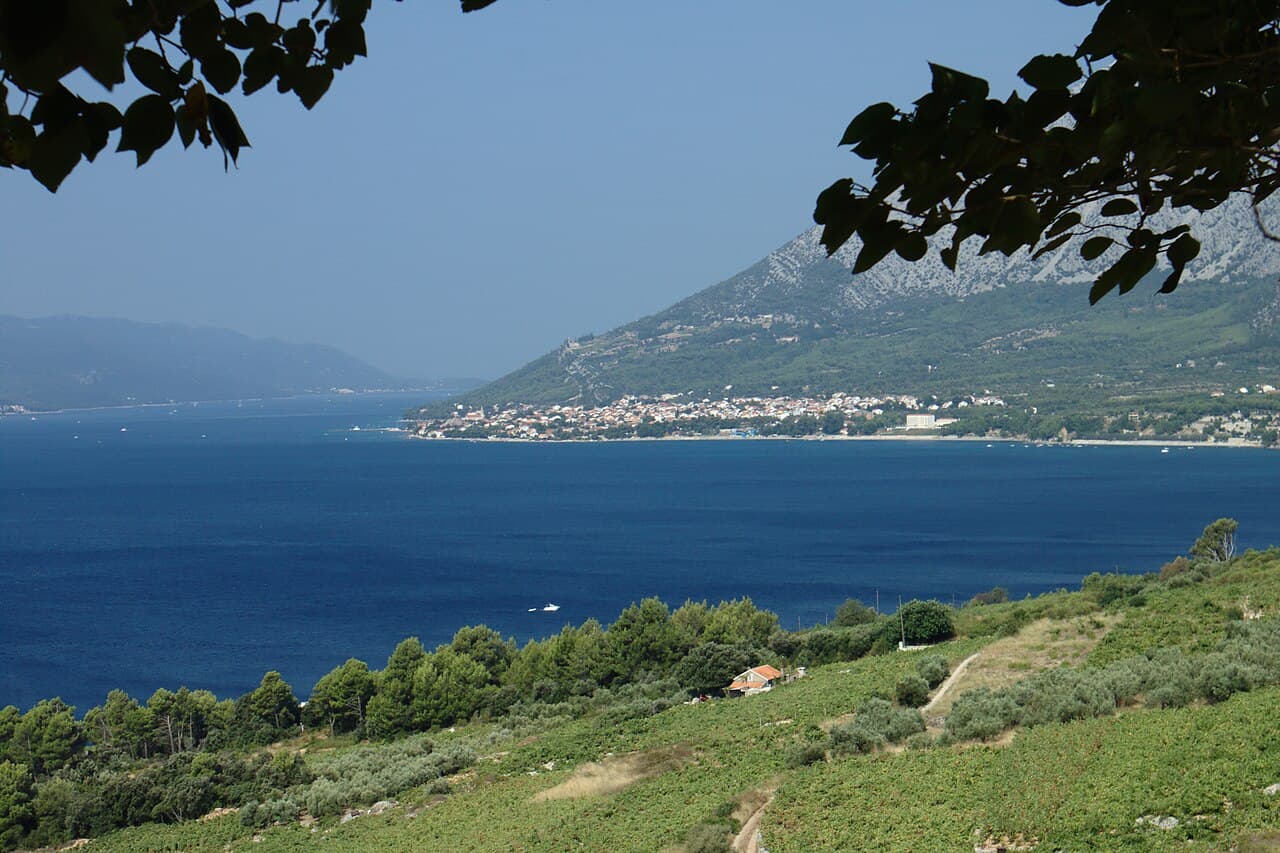
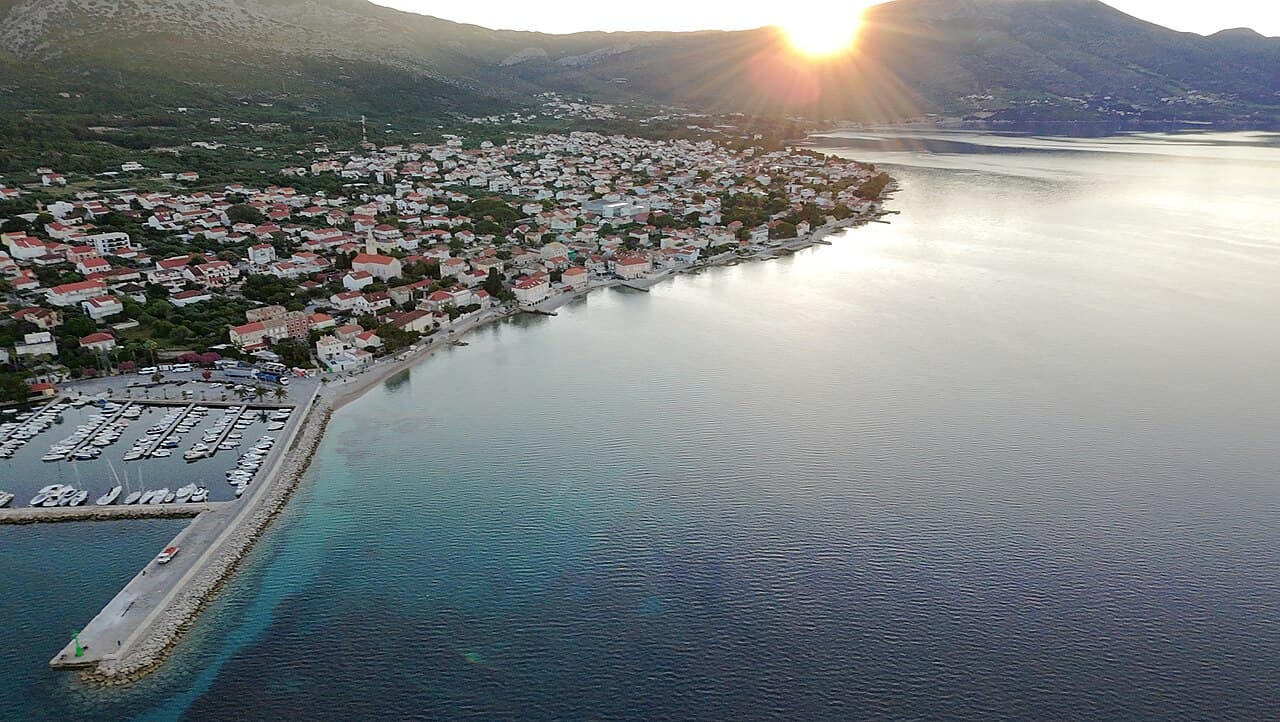
Orebić is a small port town of about 3,700 people on the western coast of the Pelješac peninsula, directly across a narrow channel from Korčula. It is a good choice for beach, hiking and wine travelers who want calm. It is a poor choice for anyone who needs a medieval old town, nightlife or a packed list of sights.
02What Is Great About Orebić
Views and hiking
Sveti Ilija rises to 961 m behind the town. The standard hike is about 5 km, but the steep gradient means several hours, and the final 30 minutes need hands in places. Carry plenty of water and start early in summer. The Franciscan monastery of Our Lady of Angels, built in the late 15th century, sits on a ridge about 150 m above the sea. It is a 20-minute uphill walk from the west end of town and faces Korčula across the channel. Sunset is the best time.
Beaches
Trstenica is the main beach, with sand and pebbles, a few bars and a naturist section. It is a roughly 20-minute walk east of the ferry terminal. Viganj, west of town, is known for windsurfing and kitesurfing thanks to the afternoon wind in the channel. Beaches here are rarely as packed as those at Dubrovnik or Korčula.
The Korčula advantage
A foot ferry crosses in about 15 minutes. That gives access to Korčula Old Town for day trips while sleeping on the mainland, usually at lower accommodation prices.
Wine
The Pelješac peninsula is Croatia's leading red wine region. Postup, a few minutes from Orebić by car, is known for Dingač-area reds, and several wineries take visitors for tastings.
03What Is Not Great
- Crowds in peak season
- July and August bring traffic, full beaches in the afternoon and ferry queues for cars. Orebić is far calmer than Korčula town, but not empty.
- Limited nightlife
- Evenings consist of harbour restaurants and a few beach bars. Plan on early nights.
- Few headline sights
- The Maritime Museum, old captains' houses and the monastery fill a half day. The town does not carry a week without hiking, swimming or day trips.
- Car dependence
- Public bus links along Pelješac are thin. Getting to Viganj, Postup or wineries is easier with a car or scooter.
- Steep terrain
- Hill trails and the monastery road are tough in July heat.
04Cost: What to Expect
Ferry prices matter most. The foot ferry costs €2.50 outside the season and about €3.40–3.50 from 29 May to 27 September 2026. Children aged 3–12 pay €1.50. The Jadrolinija car ferry to Dominče costs €10.40 off-season and €16.20 in peak season for a car up to 5 m, and the foot fare is the same as on the foot ferry. Hiking, the monastery grounds and beaches are free. Overall, Orebić costs noticeably less than Dubrovnik, and a typical day without paid tours needs little more than food and ferry fares.
05Best Time to Go
Late May to mid-June and September give warm sea, full ferry schedules and fewer people. Summer hiking on Sveti Ilija is best done at sunrise. Winter ferries run with fewer departures, and many seasonal places close.
06Local Tips
- Foot ferries start from about 05:20 in Korčula, so early hikers can start from the Orebić port before the heat.
- Orebić suits arrivals from Dubrovnik by bus in the late afternoon: stay the night and take the morning ferry.
- The konoba Panorama near the monastery serves slow-cooked dishes under the bell; these must be ordered hours ahead.
- Skip the car ferry if you do not need a car on Korčula. Park in Orebić and take the foot ferry, which lands right at Korčula Old Town and saves €10–16 each way.
07Who Should Go and Who Should Skip
Go if you like hiking, windsurfing, wine and quiet evenings. Skip Orebić if you want a walled old town, loud nightlife or sights that need little effort. Families with small children will find Trstenica easy, but the steep hill walks are not stroller-friendly.