01Myth 1: Osijek has islands you can hop between
It does not. Osijek is the largest city in Slavonia, in eastern Croatia, built on the right bank of the Drava river. There is no sea, no archipelago and no island ferry. Searching for "island hopping Osijek" produces mostly Adriatic results because those are the islands Croatia is known for, and they sit in a different part of the country.
Reality: The Croatian island ferries (Brač, Hvar, Vis, Korčula and others) leave from coastal ports such as Split, Zadar and Dubrovnik. None of them operate from the Slavonian plain.
Better alternative: If the goal is water, wildlife and a sense of moving between green patches of land, the Kopački Rit Nature Park is the closest match. It is a large floodplain wetland where the Drava meets the Danube, with lakes, channels, reed beds and forest ridges. The scenery is closer to a delta than to a seaside. Treat it as Osijek's answer to island hopping, not a substitute for the Adriatic.
02Myth 2: Osijek is close enough to the coast for a day of island hopping
It is not. Osijek to the Adriatic is a full day of travel. By road, Split is roughly 5-6 hours away, and Zadar is similar or longer. A return trip with an island ferry in between would take 14 or more hours, most of it spent in a car.
Reality: There are no direct trains to the islands. Bus connections from Osijek to Split exist, but they are long and best treated as one-way transfers, not day trips.
Better alternative: Split the trip into two parts.
- Days 1-2 in Osijek
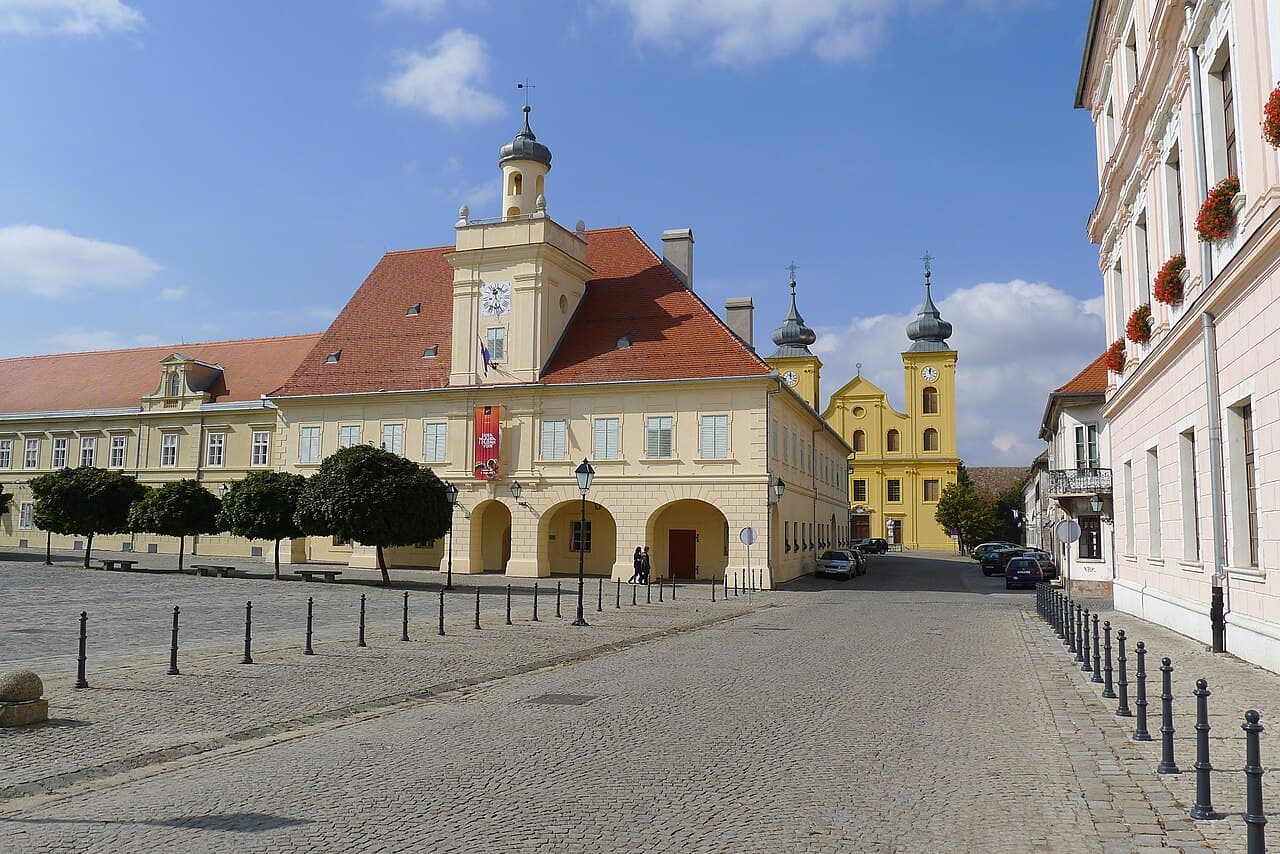
- Tvrđa (the 18th-century Baroque fortress district), the Drava promenade and Kopački Rit.
- Then move south
- Take the coastal leg as a separate trip. Flying into Split, or driving through Zagreb, is easier than a single-day push. Zagreb is about 280 km from Osijek.
- Islands from Split
- Brač, Hvar, Vis and Šolta are all reachable by catamaran or car ferry. Reserve vehicle space early in summer.
A useful rule: do not try to see Slavonia and the islands in the same 48 hours.
03Myth 3: The Drava means nothing for water activities
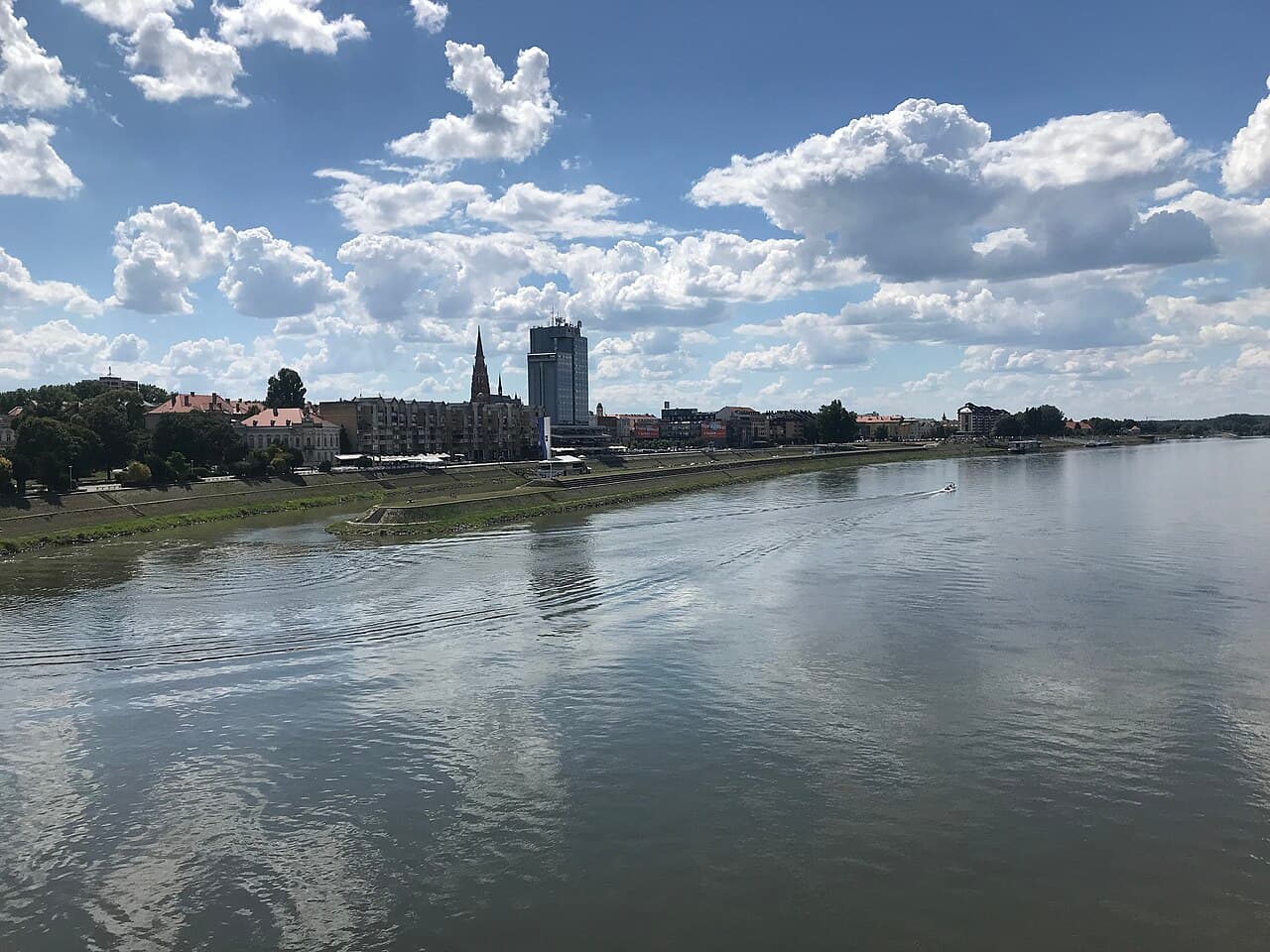
Osijek's river is more useful than visitors assume. The city has a river beach, Copacabana, on the Drava, and the riverside promenade is one of the main places locals walk, cycle and meet. A pedestrian bridge crosses the Drava for views back toward the old town.
Reality: The Drava is a working river, not a sea. Currents and water levels change with the season. Swimming is a summer activity, and conditions vary, so check the signs at the beach before entering the water.
Better alternative: Use the Drava as a base for low-effort river days.
- Walk or cycle the riverside path.
- Swim at Copacabana in July and August, when the water is warmest.
- Finish in Tvrđa for dinner, where Slavonian dishes such as fiš paprikaš (river fish stew) and kulen (spiced sausage) appear on local menus.
Insider perspective: The riverbank is quieter on weekday mornings and fills up on summer weekend afternoons. Visiting on a weekday is the simplest way to avoid the crowd.
04Myth 4: Kopački Rit is a short photo stop you can add on the way
It takes more planning than that. The park lies about 12 km northeast of Osijek, and the boat is the main way to see the interior. Tours leave from the Sakadaš landing and depart at set times. Reservations are required.
Reality (2026 prices; confirm with the park before travelling):
- Park entry ticket: €3
- Park entry plus a 15-minute presentation: €5 (minimum 10 people)
- Park entry plus a boat tour of up to 1 hour: €15 for adults, with lower rates for groups, children and seniors
- Winter option: entry plus a 40-minute train ride, €9, valid from 15 November to 15 March
- Small boat tour with a guide (1.5 hours): €30 per person per hour, children up to 12 pay €15 per hour
- Canoe tours (cormorant tour of 1 hour, or the Linjov canal tour of 2 hours): €30 per person
- Annual park pass: €20
Regular large-boat departures have run at 10:00, 12:00, 14:00 and 16:00. Because of seasonal schedules, confirm times with the park before travelling. The park's reception number is 031 445 445.
Better alternative: Plan 3-4 hours. Arrive at the visitor centre in Kopačevo at least 30 minutes before the boat leaves to collect the ticket, then walk the Bijeli Lopoč educational trail and board at Veliki Sakadaš lake. Spring and autumn bird migration are the best periods for birds, and the autumn red deer rut draws a specific crowd.
Insider perspective: The small boat costs twice as much per person as the big boat, but it reaches narrow channels where beavers, otters and herons are easier to spot. For wildlife, it is worth the extra €15.
05Practical Planning: How to Get Around
- Osijek to Kopački Rit
- About 12 km. A car or taxi takes roughly 15-20 minutes. Some excursions from Osijek include a boat trip, which removes the transport question.
- Osijek to Zagreb
- About 280 km by road.
- Osijek to Split
- Roughly 5-6 hours by road.
- Best months for Osijek and the wetland
- April to October.
- Best months for the islands
- June to September, when ferry frequency is highest.
06What Matters Most for Osijek Visitors Who Want Islands
Choose one of two trips, not both at once. If the aim is river, wetland and a quiet city, stay in Osijek and spend the water time in Kopački Rit, where a €15 ticket covers entry and a boat tour. If the aim is real island hopping, fly or drive to Split and plan the ferries from there. Mixing the two in a single weekend wastes the best part of both.