01How Many Days Do You Need in Zagreb?
Two nights is the standard recommendation. Zagreb is a compact, walkable capital. Its main sights sit within about 2 km of Ban Jelačić Square, and the city has no single must-see attraction that needs a full day of its own. The coast and Plitvice Lakes compete for the same time, so a short stay makes sense.
02What Can You See in 1 Day in Zagreb?
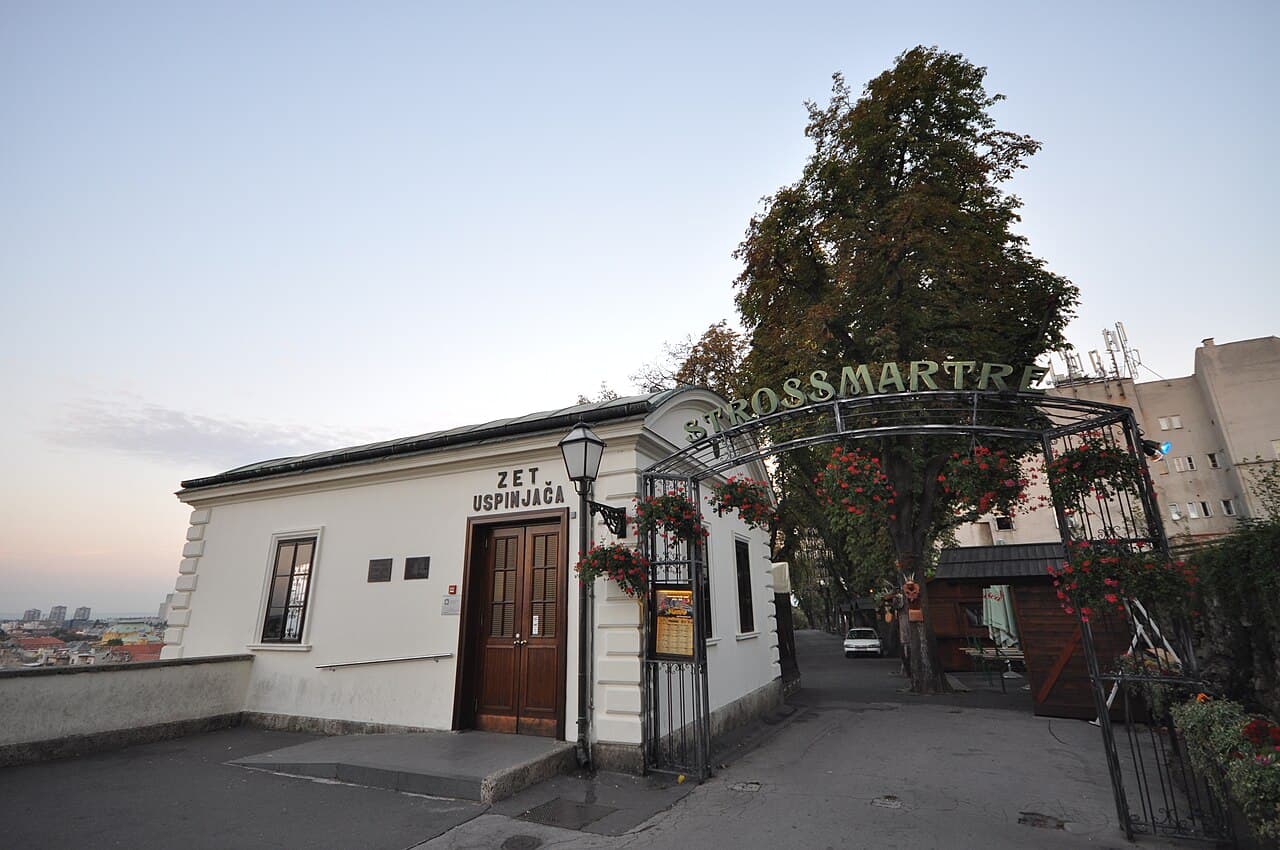
One day covers the essentials and little else. That means the Upper Town (Gornji Grad) with St. Mark's Church, the Stone Gate and the Lotrščak Tower. It also covers the Cathedral, Dolac Market, the Lower Town squares and an evening on Tkalčićeva Street. The funicular between the Lower and Upper Town is only 66 m long and is the shortest commute in the city.
One day suits a layover or a stop between Plitvice and a coastal city. It leaves no room for a museum visit and a park in the same day. Visiting on a Sunday also limits you, because most shops close and some museums run shorter hours.
03What Does 2–3 Days in Zagreb Add?
Two days adds the museum layer and some neighborhood time. A typical choice is the Museum of Broken Relationships, the Museum of Contemporary Art, the Mimara Museum, or the Tesla Technical Museum. The second day also fits Mirogoj Cemetery, whose arcades and landscaping make it one of the city's best-known sights, and a walk through the Zrinjevac and Maksimir parks.
Three days adds Medvednica Nature Park and Sljeme peak, about 1,000 m above sea level, which is reachable from the city's north edge by road or on foot. It also leaves room for the Zagreb Zoo in Maksimir, the Samobor half-day trip, or a slow café-and-market rhythm. Three days is the right length for families with children, for travelers who like museums, and for visitors during the Advent season from late November to early January, when the evenings are busy.
A Zagreb Card (24 or 72 hours, sold at the tourist information office on Ban Jelačić Square) bundles public transport and several museum entries. It pays off only if you plan at least three paid attractions in the period.
04Is a Longer Stay (4+ Days) Worth It?
Four days or more makes sense only in three cases: you are using Zagreb as a base for day trips, you are working remotely, or you are visiting for a specific event or festival. Beyond day three, the city's marginal returns drop sharply for a traveler on a standard Croatia holiday. Skip a fourth day unless you are using it for Varaždin, Samobor or a Plitvice trip. That time is better spent on the coast.
05Can Zagreb Be a Day Trip?
It depends on the direction.
- From the coast (Split, Zadar, Dubrovnik): no. Split is about 409 km away. The bus takes roughly 5 hours each way, so a same-day return leaves 2–3 hours on the ground. Do not attempt it. The travel costs more than the visit gives back.
- From Plitvice Lakes: yes, in reverse. Zagreb is a better base for Plitvice than the coast. The bus takes about 2 hours 20 minutes each way, and the park needs 4–5 hours minimum. Leave early.
- From Ljubljana, Slovenia, or Rijeka: possible. Both are about 2 hours from Zagreb by road, so a day trip works, but a night in Zagreb is more comfortable.
- Zagreb as a base for nearby day trips: Samobor (about 25 km), Varaždin (about 80 km) and Plitvice all work from a Zagreb hotel.
06How to Fit Zagreb Into a 7-Day Croatia Route
Seven days is tight. Use 2 nights in Zagreb, then move to the coast.
- Nights 1–2: Zagreb.
- Day 3: Zagreb to Plitvice Lakes (stay one night near the park, or visit en route by car or bus).
- Nights 4–7: Split or Dubrovnik, with island or coastal day trips.
Flying into Zagreb (about 17 km from the center) and out of Split or Dubrovnik avoids backtracking. The bus from Zagreb to Split runs about every hour. Driving the A1 motorway costs about €26–27 in tolls.
07How to Fit Zagreb Into a 10-Day Croatia Route
Ten days allows three nights in Zagreb or a two-night stop plus a Plitvice night.
- Nights 1–3: Zagreb (including one day trip, such as Samobor or Varaždin).
- Night 4: Plitvice area.
- Nights 5–7: Split, with Trogir or Hvar as a side trip.
- Nights 8–10: Dubrovnik or an island base.
An alternative is to start on the coast and end in Zagreb for a final city break before a flight. That works if your flight home leaves from Zagreb airport, which has the most international connections in Croatia.
08Insider Tips
- Many museums close on Mondays. Plan the Upper Town and markets for Monday.
- Dolac Market is best before 10:00. Stalls thin out by noon.
- Zagreb stays cheaper than the coast all year. Hotel and restaurant prices do not spike in July and August the way they do in Split or Dubrovnik.
- Trams cover most of the center, but the old town is pedestrian only.
09Recommendation by Traveler Type
- First-timers
- 2 nights. This is enough to see the center and get a feel for the city before moving on to the coast.
- Families
- 2–3 nights. The zoo, Maksimir Park and the Technical Museum fill a third day without long transfers.
- Couples
- 2 nights. Add a third only if you want long café evenings, wine bars and a Medvednica walk.
- Beach holiday
- 1 night, or none. Zagreb is far from the Adriatic, so a beach-focused trip is better served by landing on the coast and visiting Zagreb only on the way in or out.


