01How Much Does Zagreb Cost in 2027?
Zagreb is still cheaper than Vienna, Munich or Ljubljana, but it is no longer the bargain it was before Croatia adopted the euro in 2023. Accommodation and restaurant prices have moved up the most, while public transport and bakery food have changed little. The figures below are 2026 prices. Add roughly 3–6% for 2027 on hotels, restaurants and cafés, because Croatian service prices have been rising faster than general inflation. Treat all numbers as planning estimates, since venues set their own prices and tourist-centre locations cost more.
02Daily Budget by Travel Style (2027 Estimate)
| Style | Per person per day | What it covers |
|---|---|---|
| Budget | €55–€75 | Hostel or basic private room, bakery and market food, one sit-down meal, tram tickets |
| Mid-range | €100–€150 | 3-star hotel or apartment, restaurant meals, a few museums, drinks |
| Luxury | €200–€300 | 4–5-star hotel, fine dining, taxis |
Current 2026 guides put budget travel at about €40–€65 and mid-range at about €70–€120 per day. The 2027 ranges above add a price-rise margin and a buffer for weekends and events. Two people sharing a room cut the per-person accommodation cost by almost half, which is the biggest single saving available.
03Accommodation Prices in Zagreb
- Hostel dorm bed
- €15–€30 per night. Private hostel rooms run about €35–€45.
- Private apartment or budget hotel room
- €50–€90 per night.
- 3-star hotel, central double
- €80–€120 per night, often with breakfast. Hotel Jägerhorn in Upper Town and Hotel Astoria near the train station are in this tier.
- 4–5-star hotel
- €150 and above. The Esplanade Zagreb, beside the main railway station, is the best-known historic luxury hotel.
Upper Town (Gornji Grad) hotels average around €80–€100. Lower Town (Donji Grad) has the widest spread, from about €35 to €100. Hostels and apartments there cost roughly €25–€50.
December (Advent), May–June and September are the busiest and most expensive periods. Midweek stays in January–March are the cheapest. For 2027, book Advent rooms by September of that year, because central rooms sell out early and late prices climb steeply.
04Food and Drink Prices
Zagreb has a strong café culture, and coffee is the clearest price signal.
- Espresso
- about €1.50
- Cappuccino or coffee with milk
- €1.80–€2.50
- Half-liter draft beer
- €3–€4
- Bakery burek or pastry
- €1–€3
- Café breakfast with coffee
- €3.50–€6
- Hotel breakfast as an add-on
- €10–€18
- Meal at a local konoba
- €12–€20
- Mid-range restaurant meal
- about €18–€25 with a drink
Budget eating costs €15–€25 per day. Mid-range eating costs €30–€50 per day. A single burek is large enough to count as lunch for many people. Dolac Market, directly above Ban Jelačić Square, is the cheapest place to assemble breakfast or a picnic of cheese, fruit and bread.
Insider tip: Many restaurants in the centre offer a fixed lunch menu (a soup or starter and a main) on weekdays. It is usually noticeably cheaper than ordering the same dishes in the evening, so make lunch the main meal.
Tkalčićeva Street is lively and convenient, but it is the priciest strip for drinks. Skip the terrace there if you are counting euros. Streets a few minutes away charge less for the same beer.
05Public Transport Costs (ZET)
The entire city centre sits in one tariff zone. Zagreb Electric Tram (ZET) runs trams and buses, and fares are time-based.
| Ticket | Price |
|---|---|
| 30 minutes | €0.53 |
| 60 minutes | €0.93 |
| 90 minutes | €1.33 |
| Night single | €1.99 |
| Daily ticket | €3.98 |
| 3-day ticket | €9.29 |
| 7-day ticket | €19.91 |
| 30-day ticket | €53.09 |
Tickets bought from the driver cost more and may require cash, so buy at a Tisak kiosk or in the app. Validate the ticket as soon as you board. When using a stored-value card, select the fare on the validator before tapping, or the 90-minute fare may be deducted by default.
Most sights in Upper Town and Lower Town are within walking distance, so a day ticket pays off only on days with three or more rides. Otherwise, a few 30-minute or 60-minute tickets are cheaper.
The airport bus (ZET line 290) takes roughly 60–75 minutes and costs about the price of a 90-minute ticket. Check the current fare before travel, since airport shuttle and taxi prices differ from city fares.
06Attractions and Activities
- Museum of Broken Relationships
- about €7 entry.
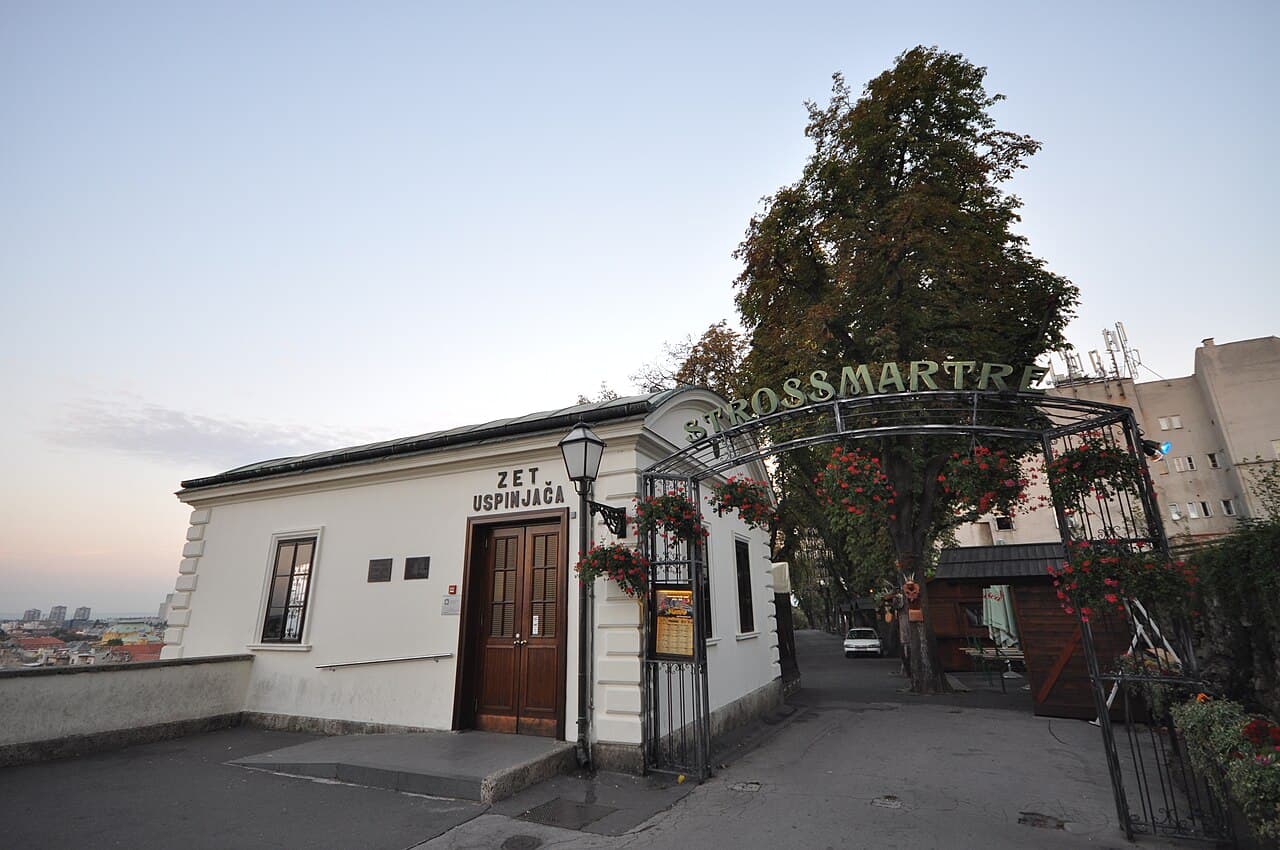
- Upper Town funicular
- a very short ride that costs under €2. Walking up the stairs takes a few minutes and costs nothing.
- Free sights
- Lower Town squares, Zrinjevac Park, Maksimir Park, Dolac Market and the Upper Town streets cost nothing.
- Entertainment budget
- about €4–€10 per day for a budget traveler, €20 for a mid-range traveler with museums.
The Zagreb Card bundles public transport with discounts and museum entry. It makes sense only if you plan several museum visits in 72 hours. For a relaxed itinerary of walking and cafés, it is not worth it.
07Sample 2027 Daily Budgets
Budget traveler: about €60–€70
- Hostel dorm or shared apartment: €20–€30
- Food: €18–€25
- Transport: €3–€5
- Activities and a drink: €10–€15
Mid-range traveler: about €110–€140
- 3-star hotel (per person in a shared double): €45–€65
- Food: €35–€50
- Transport: €4–€8
- Activities and drinks: €20–€30
Weekend for two (3 nights, mid-range)
A double room at €90–€120 per night comes to €270–€360. Add meals (€80–€100 per day for two) and local transport (about €10 total). A realistic total is €520–€670 excluding flights.
08What Has Changed Recently
- Hotels
- Rates have risen steadily since the euro changeover, with a 3-star central double now at €80–€120.
- Restaurants
- A main course at a konoba that used to run in the low teens now often costs €12–€20.
- Coffee
- Still cheap. A cappuccino at €1.80–€2.50 is below most Western European capitals.
- Transport
- Fares stayed stable and cheap, with the daily ticket at €3.98.
09Money-Saving Tips for Zagreb
- Visit in shoulder months (April, May, September, October) for lower hotel rates and pleasant weather.
- Eat the main meal at lunch, and buy breakfast at a bakery.
- Use Lower Town accommodation. It is walkable to everything and cheaper than Upper Town boutique stays.
- Pay by card nearly everywhere, but keep a little cash for the market and tram drivers.
- Avoid the pricey tourist-facing menus around Ban Jelačić Square and walk two blocks.
10Is Zagreb Worth the Cost?
For a European capital with a historic old town, many museums, strong coffee culture and easy day trips, Zagreb remains good value. A mid-range trip costs well under what comparable stays in Vienna or Prague now run. The budget case is weaker for a one-night stop in Advent, when prices peak.